
Living in a conservation area like the historic center of Chichester or the picturesque streets of Arundel is a privilege. You own a piece of West Sussex history, surrounded by the architectural echoes of centuries past. Whether it’s a Georgian townhouse near Chichester Cathedral or a flint-walled cottage in the shadow of Arundel Castle, these homes offer a character that modern builds simply cannot replicate.
However, that character comes with a "golden handcuff" of sorts: strict planning regulations. As we move through 2026, the local councils, and the South Downs National Park Authority for our Arundel clients, have become even more vigilant about preserving the "special interest" of these zones.
At Swanbourne Construction Ltd, we’ve spent over 20 years navigating the delicate balance between modern luxury and heritage preservation. We’ve seen homeowners dive into renovations with the best intentions, only to hit expensive, soul-crushing roadblocks.
Are you planning a project? Make sure you aren't falling into these seven common traps.
1. Assuming "Permitted Development" Applies to You
One of the most frequent phone calls we receive starts with: "I thought I didn't need planning permission for a small extension." In many parts of the UK, that’s true. But in the conservation areas of Chichester and Arundel, many Permitted Development (PD) rights are restricted or removed entirely through what’s known as an Article 4 Direction.
These directions mean that even minor changes, like replacing a front door, removing a chimney stack, or changing roof tiles, require formal planning consent. If you proceed without it, you risk an enforcement notice that could force you to undo thousands of pounds of work.
The Fix: Always assume you need permission. Before you pick up a sledgehammer, consult the Chichester District Council’s conservation appraisal or the Arundel Neighbourhood Plan. Better yet, contact us for a consultation. We can help you identify exactly which Article 4 restrictions apply to your specific street.
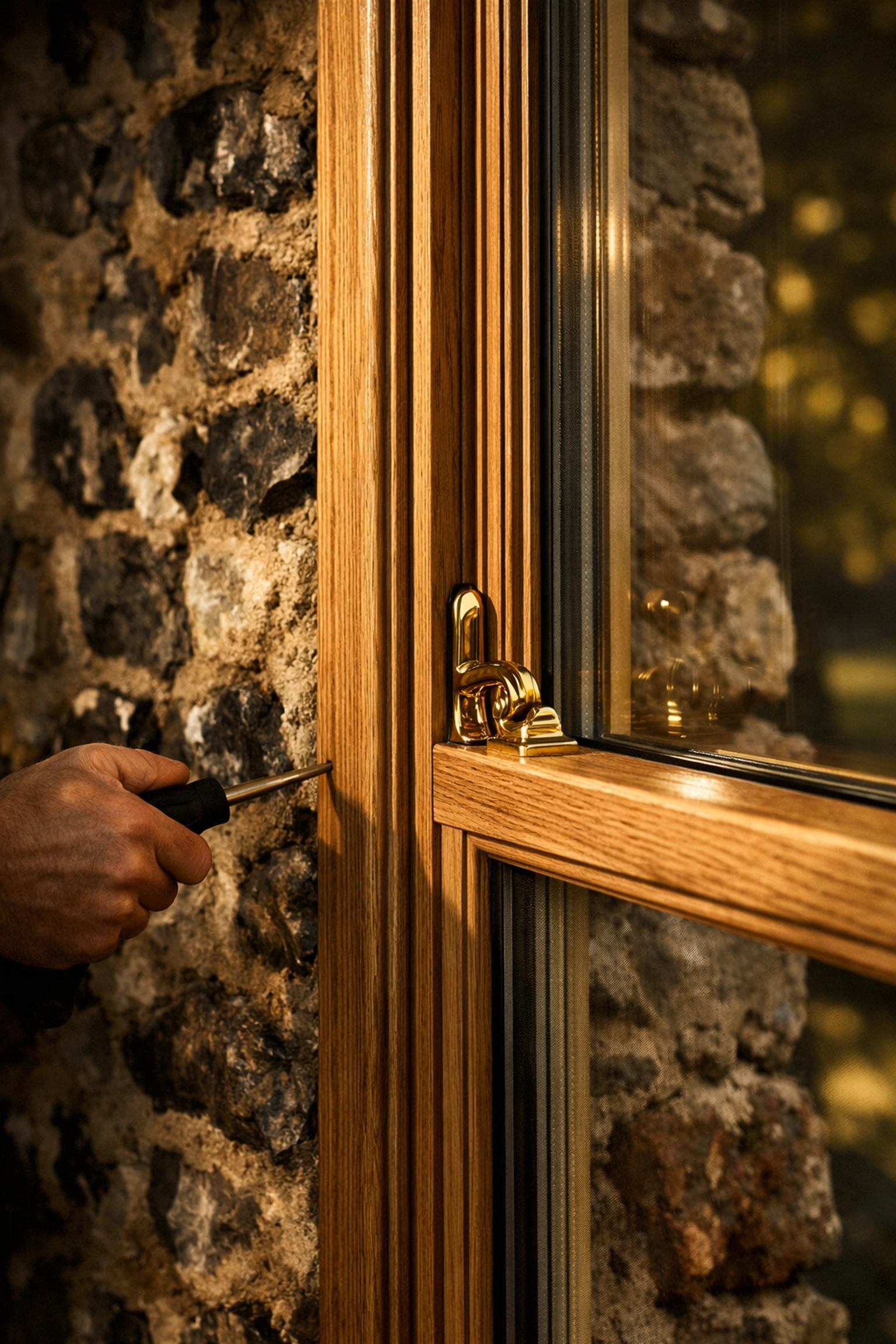
2. Choosing "Off-the-Shelf" Windows and Doors
It’s tempting to look at the energy bills of a drafty Victorian terrace and head straight for the nearest double-glazing showroom. But standard uPVC windows are the "kryptonite" of conservation areas. The chunky profiles and shiny finishes of mass-produced plastic windows stick out like a sore thumb against historic masonry.
In Arundel especially, where the aesthetic is tightly controlled to maintain the town's fairy-tale appeal, the wrong window choice can lead to an immediate halt in construction.
The Fix: Invest in bespoke timber joinery or high-quality slimline heritage metal frames. In 2026, we now have access to "vacuum glazing", ultra-thin double glazing that fits into traditional sash profiles but offers the thermal performance of a modern triple-glazed unit. This allows you to keep the historic "look" while enjoying 21st-century warmth.
3. Neglecting "Material Authenticity" (The Flint and Brick Trap)
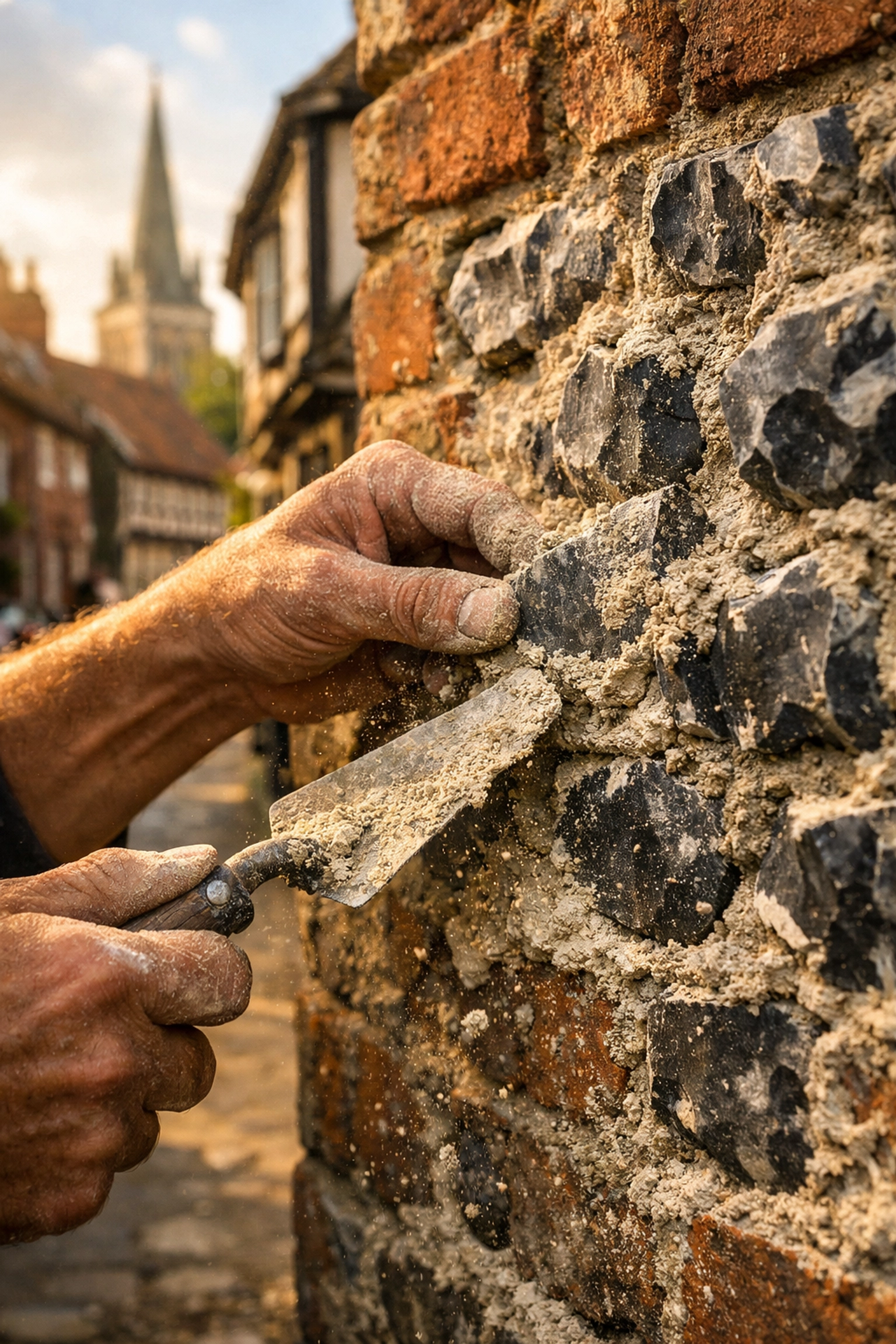
West Sussex is famous for its use of knapped flint and Sussex red bricks. One of the biggest mistakes we see in Chichester renovations is the use of modern, machine-made bricks that don't match the varied tones and textures of the original structure.
When you add an extension or repair a garden wall, using the wrong mortar or brick bond doesn't just look bad, it can actually damage the building. Modern cement mortars are often too hard for historic soft bricks, causing the bricks to "spall" (crumble) over time because moisture can't escape through the joints.
The Fix: Use lime-based mortars and reclaimed or handmade materials. Our team at Swanbourne Construction Ltd specializes in sourcing local materials that blend seamlessly. If you’re looking at extensions in Chichester, we make sure the "new" part of your home looks like it has always been there.
4. Failing to Engage the Conservation Officer Early
Many homeowners view the local Conservation Officer as an adversary, someone whose job is to say "no." In reality, they are guardians of the area's heritage. The mistake is presenting them with a finished, rigid set of plans and demanding approval. This often leads to friction and delays.
The Fix: Start a dialogue early. Pre-application advice is an invaluable tool. By showing a "working draft" to the officers in Chichester or the South Downs planners, you can incorporate their feedback from the start. They appreciate homeowners who show a genuine interest in "preserving and enhancing" the area, and they are often more flexible when they feel their expertise has been respected.
5. Overlooking the "Small" External Details
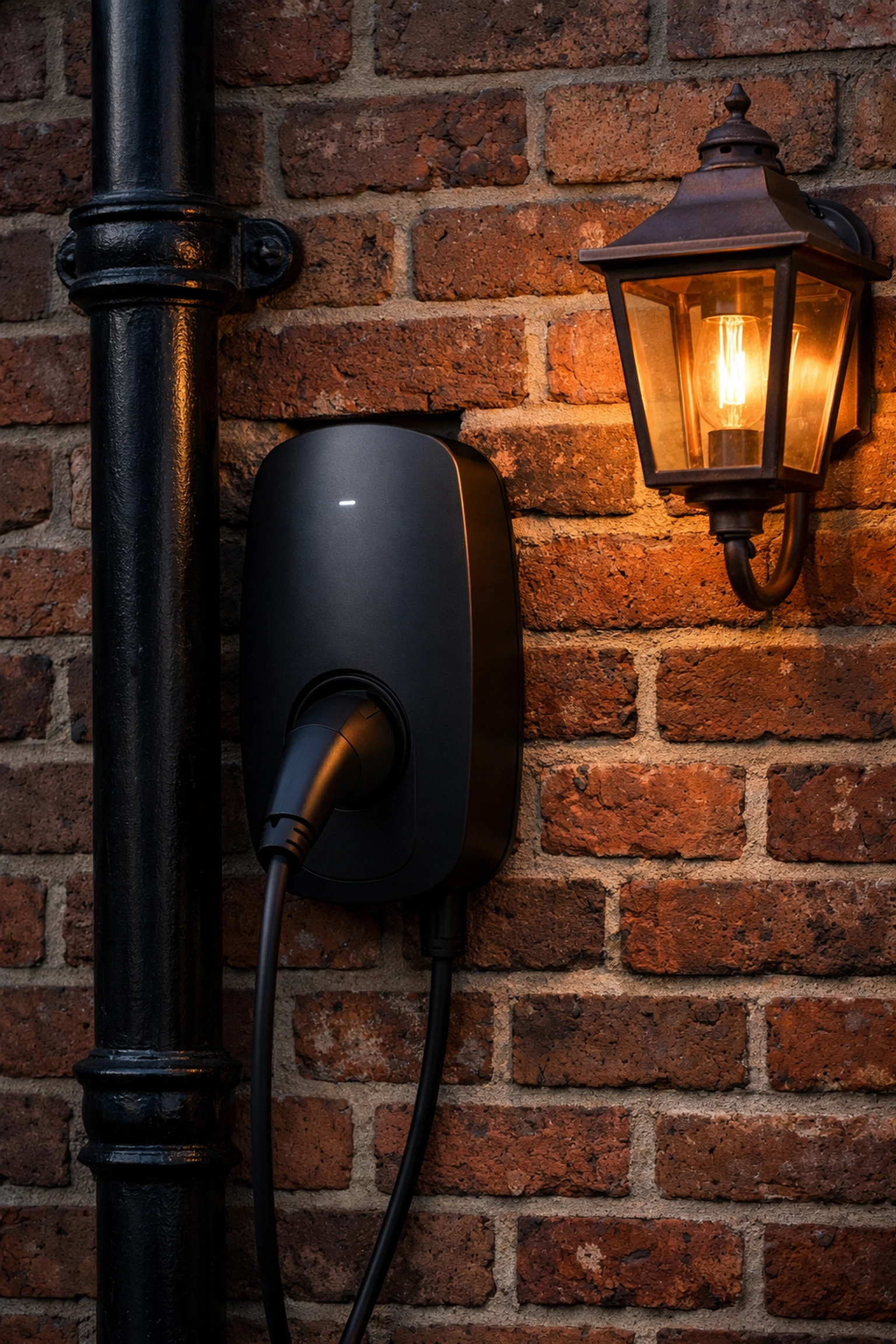
You’ve got the planning for the big extension, but what about the satellite dish? The car charging point? The color of the downpipes? In a conservation area, these "small" additions can trigger complaints.
We’ve seen beautiful Arundel renovations marred by bright white plastic gutters or a messy tangle of black wires across a flint facade. In 2026, with the rise of home tech and EV chargers, these modern necessities need to be integrated thoughtfully.
The Fix: Think about concealment and camouflage. Use cast-iron or high-quality cast-aluminum rainwater goods. Position EV chargers in discrete locations or use custom covers. Even your choice of paint matters: sticking to a heritage palette (think muted ochres, off-whites, and earthy greens) will keep you in the good graces of the council and your neighbors.
6. Treating the Interior as a "Blank Canvas"
While conservation area status primarily protects the exterior of a building (unless the building is also Listed), the internal structure still matters. Removing internal walls in an old Arundel cottage can sometimes affect the structural integrity of the entire terrace or alter the "flow" that defines the building's historical era.
Furthermore, if you are planning a loft conversion in Arundel, you must ensure that the roofline changes don't negatively impact the town's iconic skyline.
The Fix: Work with a builder who understands traditional structural techniques. Don't just rip everything out to create an open-plan space without considering how to retain some of the original "DNA" of the home. Features like original floorboards, internal doors, and cornicing add immense value to your property.
7. Hiring a Builder Without Heritage Experience
This is perhaps the most costly mistake of all. A builder who usually works on new-build estates in Bognor Regis might be excellent at what they do, but they may not understand the nuances of a 200-year-old Chichester townhouse.
Heritage work requires patience and a different toolkit. Do they know how to handle lime render? Do they understand the local "flint-knapping" style? Do they know how to work around the logistical nightmare of narrow, one-way streets in Chichester’s Pallant?
The Fix: Look for a local partner with a proven track record. Swanbourne Construction Ltd has been a staple of the West Sussex building scene for over two decades. We don't just build; we consult. We understand the local planning landscape because we live and work here. Check out our previous projects to see how we’ve handled complex heritage sites.
Why the Effort is Worth It
After reading that list, you might be wondering if a renovation in a conservation area is worth the hassle. The answer is a resounding yes.
Homes in these areas hold their value incredibly well. By following the rules and respecting the history of your property, you aren't just creating a beautiful place to live; you are making a rock-solid investment. There is a reason Chichester and Arundel remain some of the most sought-after postcodes in the South East: and that is thanks to the very protections that make the renovation process so detailed.
Creating Your Dream Home in West Sussex
Whether you are looking for builders in Chichester to restore a period property or planning extensions in Arundel to gain that extra bedroom, the key is preparation and partnership.
Ready to start your journey?
Don't let the paperwork intimidate you. At Swanbourne Construction Ltd, we take the stress out of the process, guiding you from the initial design and planning stages through to the final lick of paint. We pride ourselves on transparent communication and high-spec finishes that respect our local heritage.
Let’s talk about your vision. Book a consultation with us today and let’s make sure your conservation area renovation is a success story, not a cautionary tale.