
Chichester is a city defined by its layers of history. From the Roman walls to the Georgian townhouses of the Pallants and the Victorian terraces lining St Pancras, we are incredibly lucky to live in a place where the architecture tells a story. However, owning a home in one of Chichester’s conservation areas: or those in nearby Arundel: comes with a unique set of responsibilities.
If you’ve recently purchased a period property or you’re looking to modernise your long-term family home, you’ve likely realised that "standard" renovation rules don’t apply here. In 2026, with tighter environmental regulations and a heightened focus on heritage preservation, the margin for error is slimmer than ever. At Swanbourne Construction Ltd, we’ve spent over 20 years navigating these complexities, and we’ve seen well-intentioned homeowners fall into the same traps time and again.
Making a mistake in a conservation area isn’t just an aesthetic oops; it can lead to legal enforcement, hefty fines, and the heartbreaking (and expensive) requirement to tear down your hard work. Here are the seven most common mistakes we see and, more importantly, how you can avoid them.
1. Assuming "Permitted Development" Still Applies
In most parts of West Sussex, you have "Permitted Development" (PD) rights that allow for certain extensions or alterations without full planning permission. However, Chichester District Council has stripped these rights from many streets via Article 4 Directions.
The Mistake: Many homeowners assume that because their neighbour in Bognor Regis built a certain dormer or replaced their front door without a hitch, they can do the same in Chichester’s city centre. In a conservation area, even "minor" changes: like removing a chimney stack, changing the colour of your masonry, or swapping out roof tiles: usually require formal consent.
The Fix: Always operate on the assumption that you do need permission. Before you pick up a sledgehammer, consult the specific Conservation Area Appraisal for your street. Better yet, work with builders in Chichester who understand the local landscape. We always recommend an initial feasibility study to ensure your dreams don't clash with the council's heritage vision.
2. Choosing "Off-the-Shelf" Windows and Doors
Windows are the "eyes" of a building. When you replace original timber sashes with chunky, shiny uPVC frames, the character of the entire street is diminished.
The Mistake: Opting for standard double-glazing because it’s cheaper and more thermally efficient. In Chichester, the planning department will almost certainly reject uPVC in a conservation area because the profiles are too thick and the finish is fundamentally modern.
The Fix: In 2026, the technology has evolved. You no longer have to choose between a cold house and heritage looks. We now recommend vacuum glazing: an ultra-thin double glazing that fits into traditional slim timber sash profiles but offers the thermal performance of a modern triple-glazed unit. Invest in bespoke timber joinery or high-quality slimline heritage metal frames. It preserves the "sightlines" of your home while keeping your energy bills down.
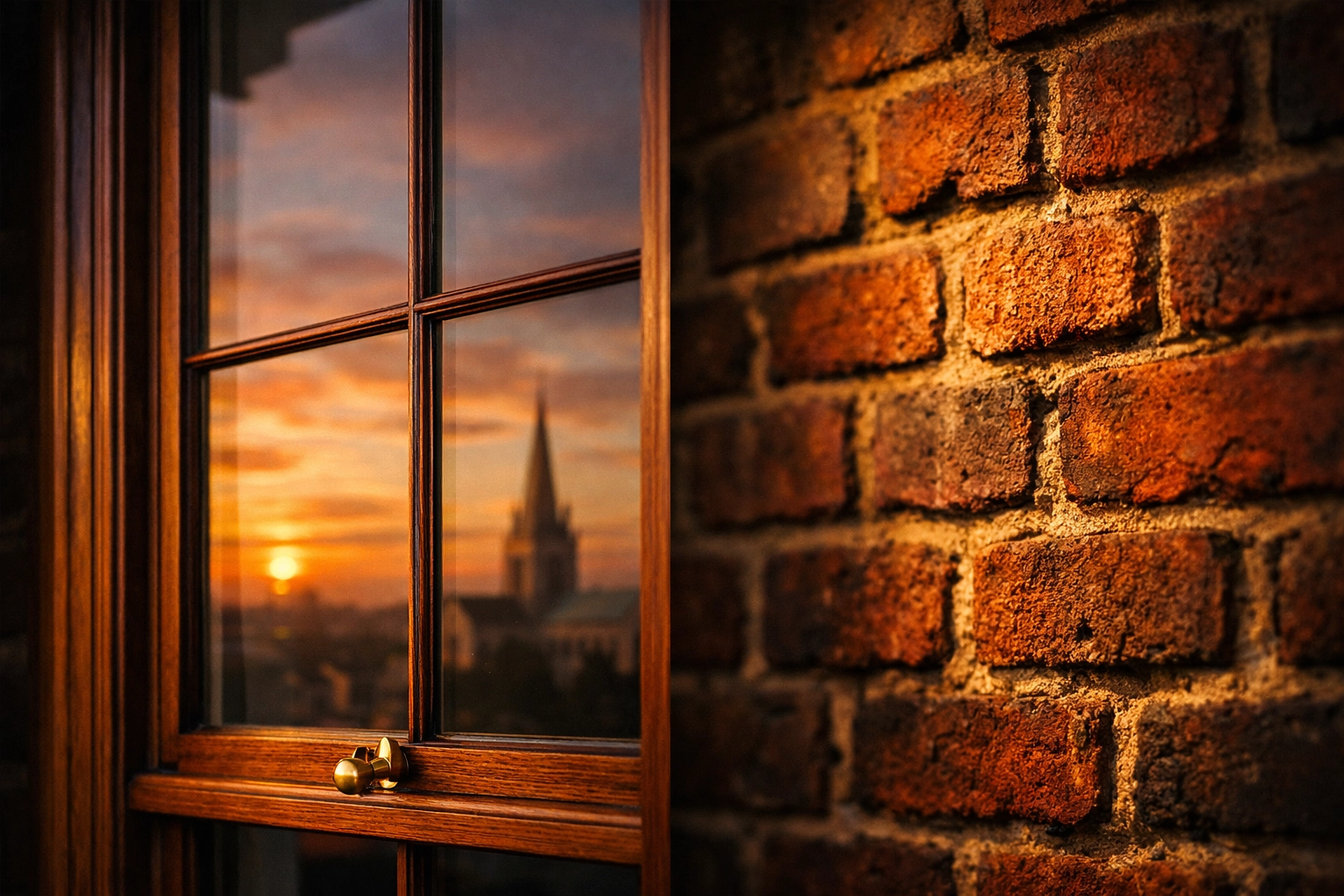
(Visual: A comparison between a sympathetic timber sash window restoration and an inappropriate modern replacement)
3. Neglecting "Material Authenticity"
Chichester and Arundel are famous for their Sussex red bricks and knapped flint. These aren't just aesthetic choices; they are part of the local DNA.
The Mistake: Using modern, machine-made bricks or, even worse, using modern cement mortar to repoint an old wall. Traditional Sussex homes were built with lime mortar, which allows the building to "breathe." Modern cement is too hard; it traps moisture in the bricks, causing the faces to "spall" or crumble during the winter freeze-thaw cycle.
The Fix: Source reclaimed materials wherever possible to match the existing texture and tone. If you are extending, ensure your extensions in Chichester use a lime-based mortar. It looks better, lasts longer, and protects the structural integrity of your historic masonry.
4. "Ghosting" the Conservation Officer
It is a common misconception that the Conservation Officer is there to block your progress. This "us vs them" mentality often leads to homeowners presenting rigid, finished plans and demanding approval.
The Mistake: Failing to engage with the council until the very last moment. This often leads to a flat refusal, forcing you back to the drawing board and wasting months of your time.
The Fix: Treat the Conservation Officer as a consultant. Engaging them early in the design phase shows that you respect the heritage of the area. They often provide invaluable advice on what will be accepted, potentially saving you thousands in architectural fees. We’ve found that a collaborative approach always leads to a smoother build process.

(Visual: An architect and a homeowner reviewing blueprints of a heritage property)
5. Overlooking "Small" External Details
We often see homeowners focus entirely on the "big" extension and forget about the details that actually trigger complaints in a conservation area.
The Mistake: Installing a satellite dish on the front elevation, choosing a bright modern colour for downpipes, or: increasingly common in 2026: bolting an EV charging point or an air-source heat pump to a visible historic wall without a plan for screening.
The Fix: These modern necessities must be integrated thoughtfully. Hide cables within existing grooving, paint downpipes to match the masonry, and position tech like heat pumps in the rear garden where they are less intrusive. When we handle building works, we plan these "secondary" elements from day one so they don't become an eyesore or a legal headache later.
6. Compromising Character for Loft Space
Converting a loft is a fantastic way to add value, but in a conservation area, the roofline is sacred.
The Mistake: Trying to squeeze in a massive box dormer to maximise head height. This completely changes the silhouette of the building and is rarely permitted in Chichester’s sensitive zones.
The Fix: Use traditional roof-lights (like Velux Heritage models) that sit flush with the tiles, or small, sympathetic "dog-leg" dormers that match the original architecture. Inside, don't strip everything back to plasterboard. If you’re doing loft conversions in Chichester, try to retain original beams or floorboards. It’s these quirks that make a heritage renovation truly special.
7. Hiring a Builder Without Heritage Experience
This is perhaps the most costly mistake of all. A builder who primarily works on new-build estates in the suburbs might be excellent at what they do, but they won't understand the nuances of a Chichester renovation.
The Mistake: Choosing a contractor based solely on the lowest quote. A builder without heritage experience may not know how to handle fragile foundations, how to work with lime render, or how to navigate Chichester’s logistical nightmares, like the narrow, one-way streets of the city centre.
The Fix: Look for a team with a proven track record in the local area. At Swanbourne Construction Ltd, we’ve spent over two decades working on everything from Victorian terraces to listed manor houses. We understand the local planning quirks and the specialised construction techniques required to keep these buildings standing for another hundred years. You can see some of our previous work on our previous projects page.

(Visual: A close-up of skilled flint-knapping or traditional brickwork being performed by a craftsman)
Why Preserving History Matters (To Your Wallet)
It’s easy to feel frustrated by the red tape, but remember: the reason property prices in Chichester and Arundel remain so resilient is because of these conservation rules. People want to live here because the streets are beautiful and the history is preserved.
By avoiding these seven mistakes, you aren't just following the law; you are "future-proofing" your investment. A sympathetic, high-quality renovation using authentic materials will always command a higher premium than a "quick-fix" modern job that looks out of place.
Taking the Next Step
Are you planning a renovation in Chichester, Arundel, or Bognor Regis? Don't let the complexity of conservation rules hold you back from creating your dream home. Whether you're looking at house extensions in West Sussex or a full internal remodel, expert guidance is just a phone call away.
We’ve helped hundreds of homeowners navigate the delicate balance between modern luxury and historic preservation. Why not take a look at our FAQ for more advice on the build process, or better yet, get in touch with us directly?
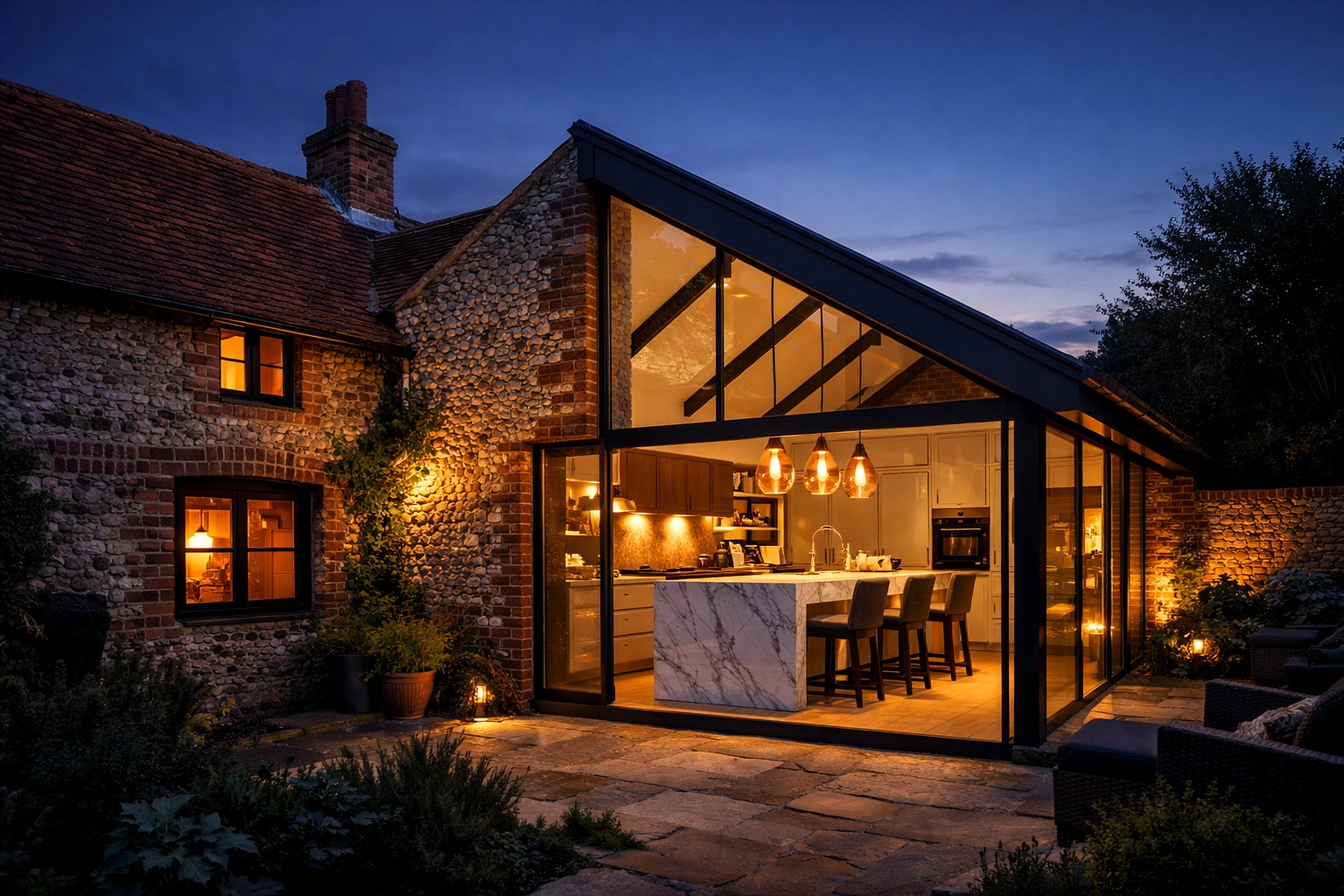
(Visual: A beautifully finished kitchen extension in a Chichester period home, blending old brick with modern glass)
Ready to start your Chichester renovation journey?
Contact Swanbourne Construction Ltd today for a consultation. Let’s work together to make sure your home’s next chapter is its best one yet.