
If you are planning a home transformation in Bognor Regis, Chichester, or anywhere across West Sussex, you have likely already felt that specific mix of excitement and anxiety. You can see the finished extension in your mind: the bi-fold doors open to the garden, the sleek new kitchen island, the extra space your family desperately needs. But then comes the paperwork.
Receiving a builder’s quote can often feel like trying to decipher a foreign language. Some arrive as a single, terrifying number on the back of a business card, while others are twenty pages of technical jargon. At Swanbourne Construction Ltd, we believe that transparency is the foundation of any successful build. A quote isn't just a price tag; it is a roadmap for your project.
So, what exactly should be in that document to ensure you aren't hit with "hidden extras" halfway through the build? Let’s break down the anatomy of a professional, reliable builder’s quote.
1. The Basics: Contact Details and Project Identification
It sounds simple, but you would be surprised how many "quotes" lack basic professional identification. A reputable builder should provide a document that clearly states their legal business name, registered address, and contact information.
Why this matters: You need to know exactly who you are entering into a contract with. If a quote only has a mobile number and a first name, how can you verify their insurance or track them down if something goes wrong? A professional header demonstrates that the company is established and accountable. It should also include a reference number and the date of issue, as most quotes are only valid for a specific period (usually 30 to 90 days) due to the fluctuating costs of materials like timber and steel.
2. A Detailed Scope of Work: The "What"
The "Scope of Work" is the most critical part of the document. This section should outline exactly what the builder intends to do, from the moment they arrive on-site to the final handover. It should be broken down into phases, such as:
- Demolition and Site Preparation: Who is responsible for clearing the site? Is skip hire included?
- Groundworks and Foundations: How deep are they digging? Does the price include moving existing drains?
- Structural Work: Mentioning specific steel beams, brickwork, and lintels.
- Roofing and External Finishing: What type of tiles or flat roof membrane is being used?
- Internal First and Second Fix: This includes plumbing, electrics, plastering, and joinery.
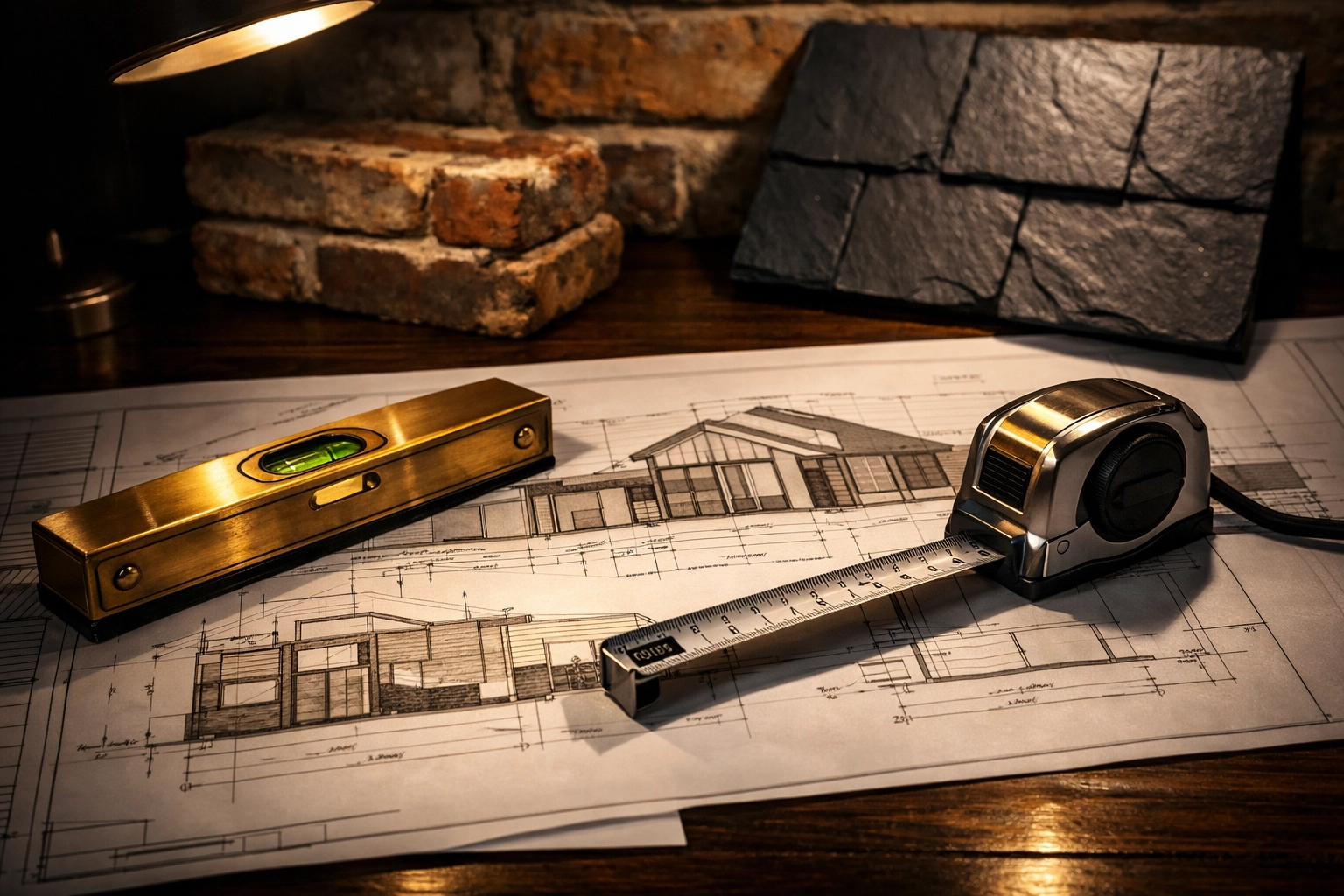
The danger of the "Vague Quote": If a quote simply says "Build extension as per drawings," you are at risk. Does that include the flooring? Does it include painting the walls? By having a granular scope of work, you can see exactly what you are paying for: and more importantly, what you aren't paying for.
3. The Grand Breakdown: Labor vs. Materials
A professional quote should never be a single "lump sum." To give you peace of mind, a builder should provide a transparent breakdown that separates the different cost elements.
- Labor Costs: This covers the skilled tradespeople working on your home.
- Material Costs: A list of the primary materials required.
- Equipment and Plant Hire: If the project requires a mini-digger, scaffolding, or specialized lifting equipment for steel beams, these costs should be clearly identified.
- Subcontractor Costs: If the builder is bringing in a specialist gas engineer or electrician, their fees should be integrated into the breakdown.
By separating these, you can understand where your money is going. It also allows for easier comparisons if you are looking at previous projects to gauge the quality and value of the work provided.
4. Provisional Sums (PC Sums) and Contingencies
In the world of construction, there are "knowns" and "unknowns."
Provisional Cost Sums (PC Sums): These are allowances for items that haven't been finalized yet. For example, you might not have picked your exact bathroom tiles or kitchen units. The builder will put in a "placeholder" amount. Professional Tip: Always check if the PC sums are realistic. A builder might put £1,000 for a kitchen to make their quote look cheaper, knowing full well you’ll likely spend £10,000.
Contingency Allowance: We always recommend a contingency (usually 10%). While a builder may not include this in their "total," a transparent quote will mention the potential for unforeseen issues, especially in older properties in West Sussex where opening a wall can reveal Victorian plumbing or structural surprises.
5. The Project Timeline: The "When"
Your quote should give you a clear indication of how long the project will take. This shouldn't just be an "end date," but a provisional schedule of milestones.
- Start Date: When will the first boots hit the ground?
- Key Milestones: When will the foundations be poured? When will the building be "watertight"?
- Estimated Completion: A realistic view of when you can move back in or start using your new space.

Understanding the timeline helps you plan your life. If you are having a loft conversion in Bognor Regis, knowing the weeks of maximum disruption is vital for your sanity!
6. Clear Payment Schedules
You should never, ever pay the full amount for a building project upfront. A professional quote from a company like Swanbourne Construction Ltd will include a structured payment plan. This is typically tied to the milestones mentioned above.
- Initial Deposit: To secure the start date and order initial materials.
- Stage Payments: Paid after specific phases are completed and inspected (e.g., "Groundworks complete," "Roofing finished").
- Final Retention: A small percentage (usually 2.5% to 5%) held back until the final "snagging" list is completed to your satisfaction.
This schedule protects both you and the builder. It ensures the builder has the cash flow to keep the project moving, and it ensures you only pay for work that has actually been done.
7. VAT: The 20% Question
This is where many homeowners get caught out. In the UK, most residential building work is subject to 20% VAT. Your builder’s quote must explicitly state whether VAT is included or excluded from the final total.
If a quote says "£50,000" and doesn't mention VAT, you might be in for a £10,000 shock when the final invoice arrives. A professional builder will always show the "Net" price, the "VAT" amount, and the "Total" price.
8. Exclusions and Assumptions: What is NOT included?
What a builder doesn't do is just as important as what they do. A transparent quote will have a section for exclusions. Common exclusions might include:
- Local authority planning fees or building control charges.
- Professional fees (Architects, Structural Engineers).
- Party Wall Agreement costs.
- Decorating (unless specifically requested).
Assumptions are also vital. For example, the builder might assume that there is easy access for a skip or that your existing boiler is powerful enough to handle the new radiators in your house extension. If these assumptions are wrong, the price may change, so reading this section carefully is essential.
Why an Itemized Quote Saves You Money (and Stress)
You might be tempted to go with the builder who gives you a quick "ballpark" figure over the phone. It’s faster, right? Wrong. A ballpark figure is almost always a recipe for disaster.
Without an itemized quote, you have no baseline. If the builder suddenly asks for an extra £2,000 for "extra timber," how do you know if that wasn't already included in the original price? Itemization prevents "Scope Creep": the slow increase in costs as the project progresses. It turns a vague agreement into a professional contract.

Questions to Ask After Receiving Your Quote
Once you have the document in hand, don’t be afraid to ask follow-up questions. A good builder will be happy to explain their numbers. You might want to ask:
- "What insurance do you have in place?" (They should have Public Liability and Employer's Liability).
- "Who will be the daily point of contact on-site?"
- "Does this price include Building Regulations inspections?" (For more on this, check our FAQ page).
- "What happens if we want to change something mid-build?"
Final Thoughts: Building a Partnership
At the end of the day, a quote is more than a financial document: it is the first step in a partnership. You are trusting someone with your most valuable asset: your home.
If a builder takes the time to produce a detailed, itemized, and professional quote, it’s a strong indicator of how they will treat the actual construction work. They are showing respect for your budget and your vision.
If you are ready to stop guessing and start planning your next project in West Sussex, we are here to help. Whether it’s a modern kitchen extension or a full home renovation, we provide the clarity and expertise you need to build with confidence.
Ready to see what a professional quote looks like for your home? Contact Swanbourne Construction Ltd today for a consultation and let’s turn those plans into a reality.