If you're a homeowner in West Sussex and you've caught yourself gazing up at your loft hatch wondering "what if?": you're not alone. With property prices across Bognor Regis, Chichester, and Arundel continuing to climb, more and more families are looking upward rather than outward (or worse, somewhere else entirely) to create the space they need.
A loft conversion isn't just about adding a spare bedroom. It's about transforming dead space into living space, boosting your property's value, and staying in the neighbourhood you love. But before you start picking out paint colours, there's a fair bit you need to understand about planning permission, building regulations, and realistic costs.
That's exactly what this guide is for. Let's break it all down so you can make an informed decision about whether a loft conversion is right for your West Sussex home.
Why a Loft Conversion Makes Sense in 2026
Here's the reality: moving house is expensive. Between stamp duty, estate agent fees, solicitor costs, and the sheer stress of uprooting your life, you're looking at tens of thousands of pounds before you've even unpacked a single box.
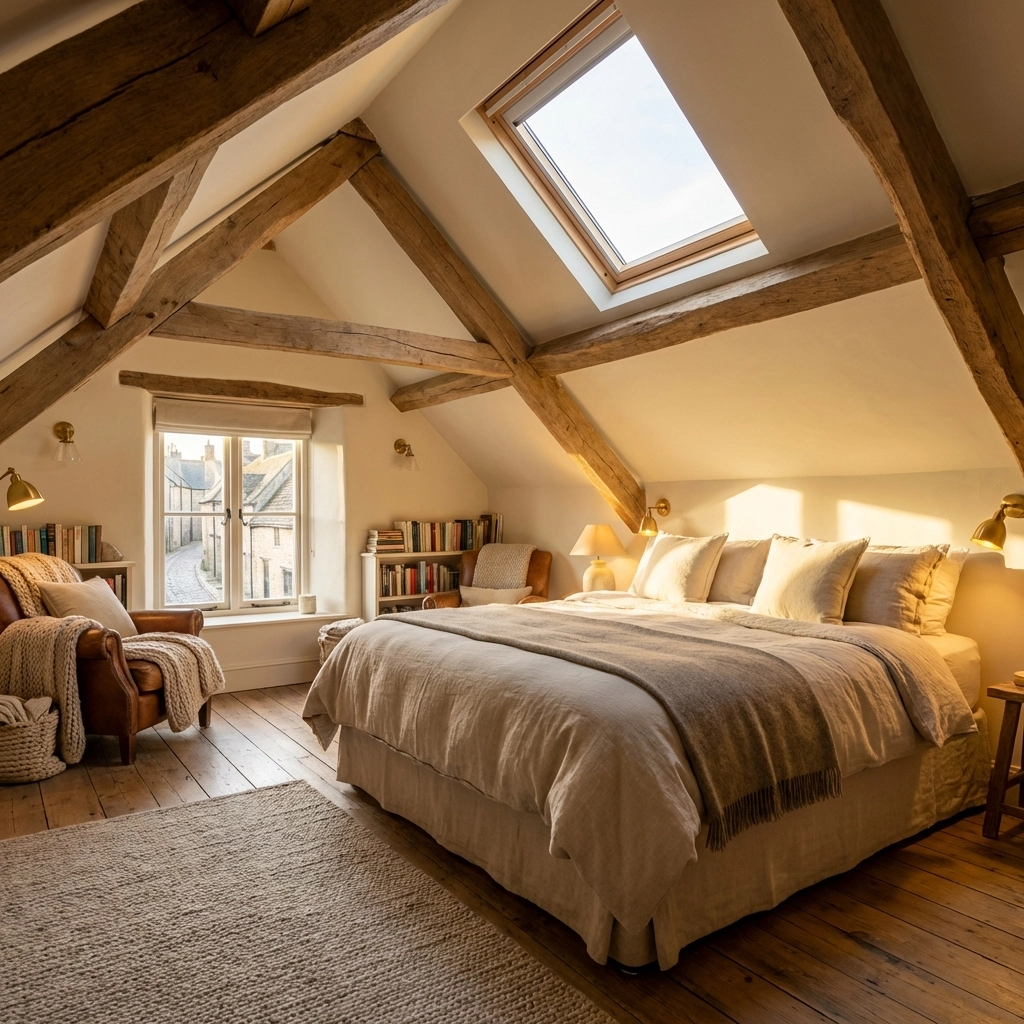
A loft conversion, on the other hand, lets you add significant living space without leaving your postcode. Whether you need a home office, a teenager's retreat, an extra bathroom, or a proper master suite, your loft has serious potential.
And the numbers back it up. A well-executed loft conversion can increase your property value by up to 20%: often more than covering the cost of the work itself. That's not just extra space; that's a smart investment.
The Four Main Types of Loft Conversion
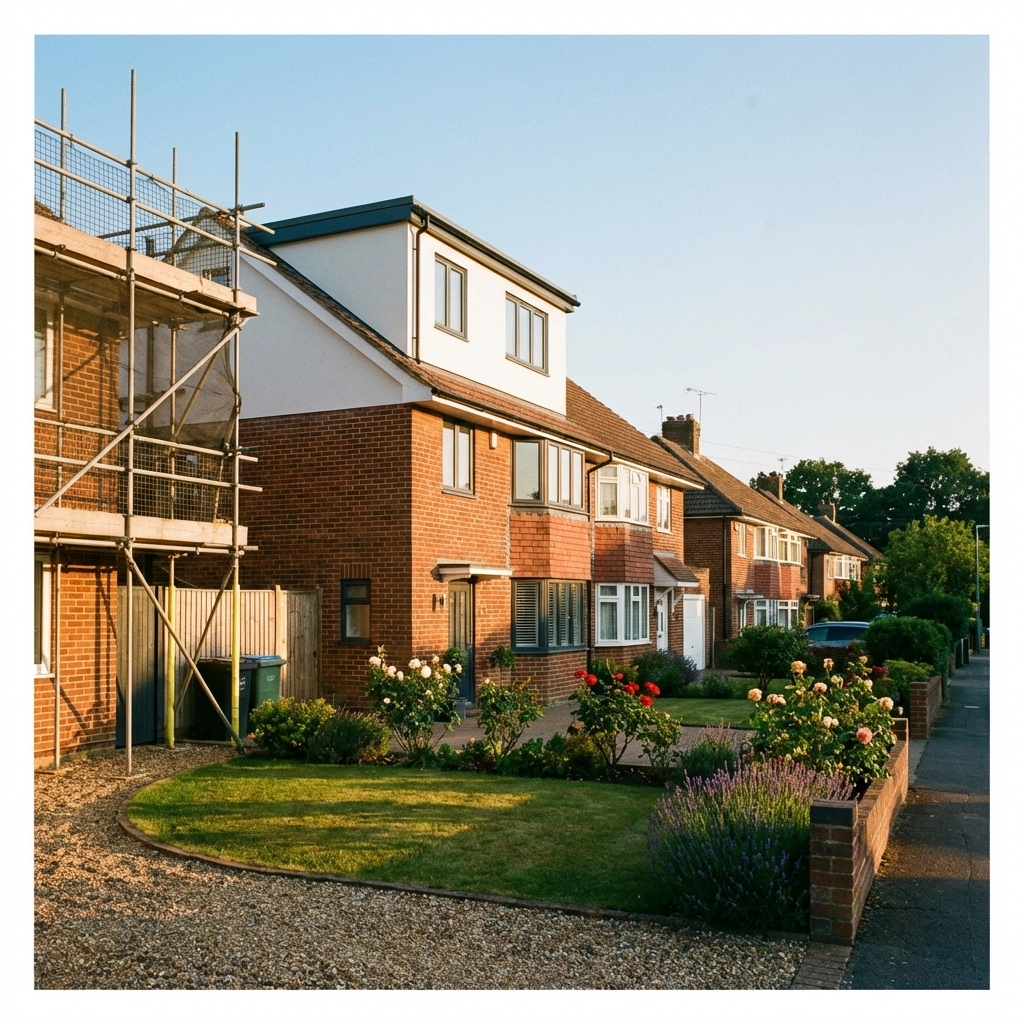
Not all loft conversions are created equal. The right type for your home depends on your existing roof structure, your budget, and how much additional space you're after.
Roof Light (Velux) Conversion
This is the simplest and most affordable option. No changes to your roof structure: just the addition of skylights. It works beautifully if you've already got decent headroom and want to keep costs down. Perfect for home offices or cosy guest rooms.
Dormer Conversion
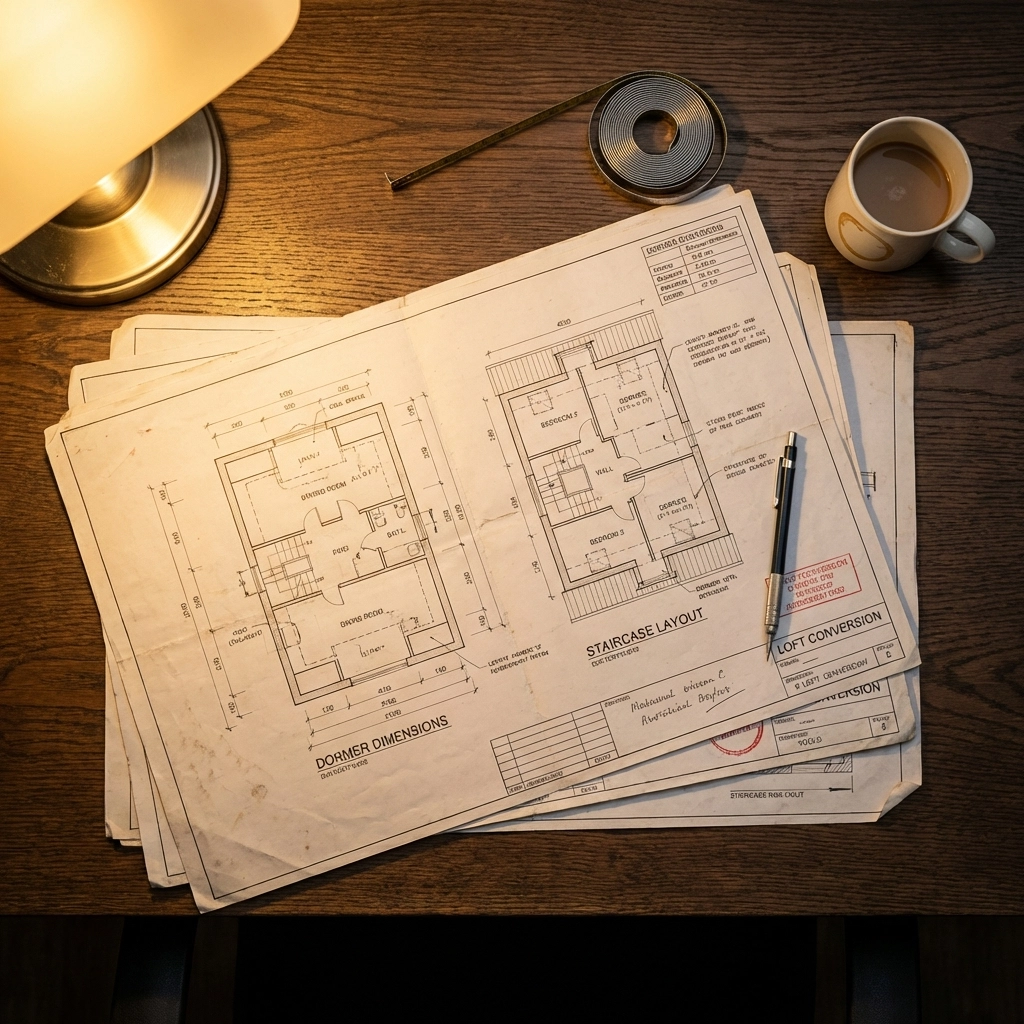
The most popular choice in West Sussex. A dormer extends outward from your existing roof slope, creating a box-like structure with vertical walls and a flat roof. This dramatically increases usable floor space and headroom, making it ideal for bedrooms and bathrooms.
Hip-to-Gable Conversion
Common on 1930s semis and bungalows, this involves converting a sloping side roof (the "hip") into a vertical gable wall. It's an excellent way to maximise space on properties where the roof slopes inward on multiple sides.
Mansard Conversion
The most extensive option, involving significant changes to the roof structure. Mansard conversions alter the roof angle to almost vertical, providing maximum internal space. They're typically found on terraced properties and often require planning permission.
Do You Need Planning Permission?
Here's some good news: many loft conversions in West Sussex don't require planning permission. Under Permitted Development rights, certain building work is automatically allowed without formal approval.
You're generally covered under Permitted Development if:
- The additional roof space doesn't exceed 40 cubic metres (terraced houses) or 50 cubic metres (detached and semi-detached)
- No extension extends beyond the plane of the existing roof slope facing the highway
- Materials are similar in appearance to the existing house
- The highest part of the alteration doesn't exceed the existing roof height
However, there are important exceptions. You'll likely need full planning permission if:
- Your property is in a conservation area
- You're planning a front-facing dormer
- Your home is a listed building
- You've already used your Permitted Development allowance with previous extensions
The design and planning stage typically takes 2–4 weeks depending on whether approvals are needed. If you're unsure about your specific situation, it's always worth checking with your local planning authority or speaking with an experienced builder who knows the West Sussex area inside out.
Building Regulations: The Non-Negotiables
Here's where it gets serious. Building Regulations apply to every loft conversion, regardless of whether you need planning permission. These aren't optional: they're legal requirements designed to ensure your conversion is safe, structurally sound, and energy efficient.
Fire Safety (Part B)
Fire safety is the biggest consideration, and for good reason. Converting your loft creates a third storey, which means new escape routes and fire protection measures.
What you'll need:
- A protected escape route from the loft to the front door, typically enclosed with fire-resistant construction
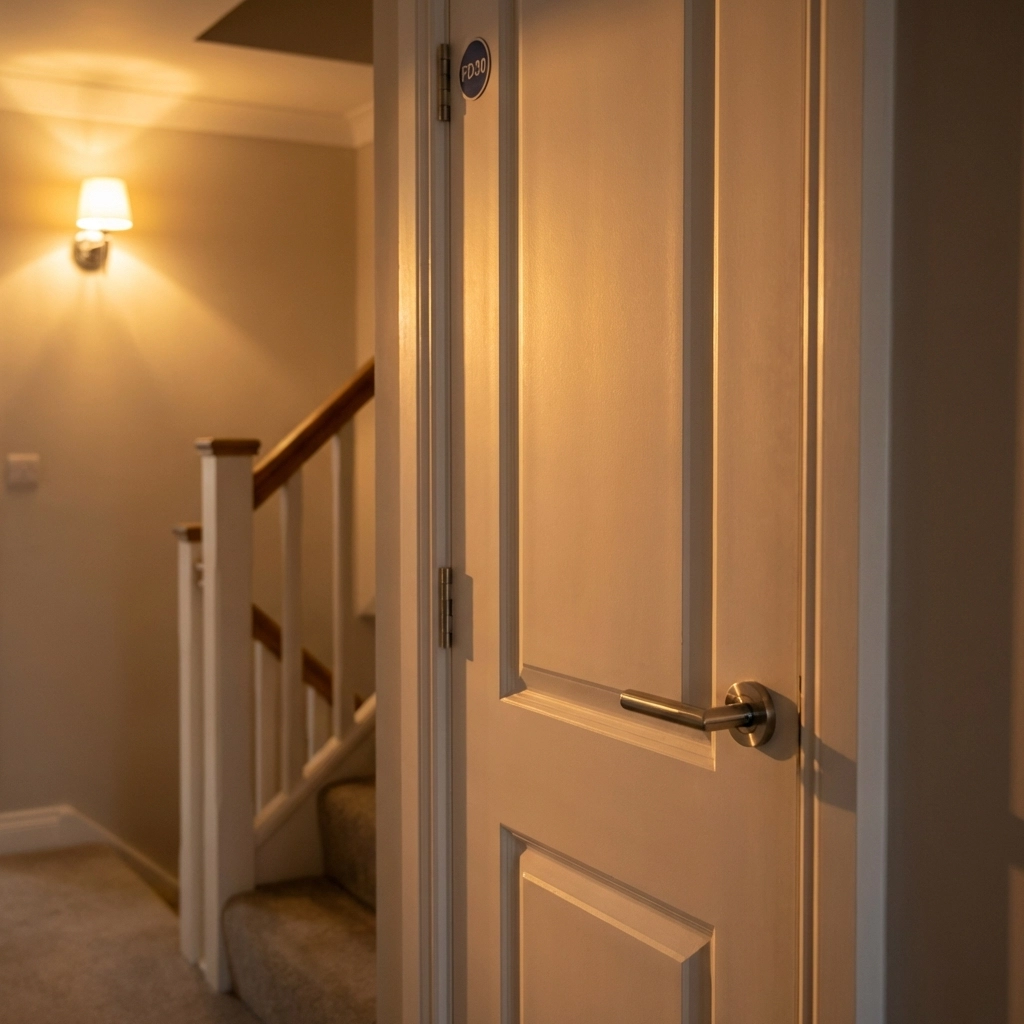
- FD30 fire doors (providing 30 minutes of fire resistance) on all rooms opening onto the stairwell
- Mains-powered, interlinked smoke alarms on every floor: if one sounds, they all sound
- A permanent staircase with a maximum pitch of 42°, continuous handrail, and 2 metres headroom (no loft ladders allowed)
If you're converting a bungalow, escape windows may be permitted as an alternative fire exit, provided the floor is less than 4.5 metres from ground level.
Structural Integrity (Part A)
Your existing ceiling joists almost certainly won't support the weight of a habitable room. You'll need:
- New load-bearing floor joists designed by a qualified structural engineer
- Steel beams (RSJs) to support the new structure, typically installed into load-bearing or party walls
- Proper reinforcement for any roof modifications, including dormers or hip-to-gable alterations
Insulation and Energy Efficiency (Part L)
Modern Building Regulations require your loft conversion to meet strict thermal performance standards:
- Floor insulation for heat retention and soundproofing
- Proper ventilation through ridge and eaves vents or breathable membranes
- Energy-efficient windows with double glazing and a U-value around 1.4 W/m²K or better
All loft conversions require Building Regulations approval. You can submit Full Plans (recommended for complex builds) or use a Building Notice for simpler projects. Local building control will conduct inspections at key stages throughout the work.
What Does a Loft Conversion Actually Cost?
Let's talk numbers: because that's probably what you're most curious about.
Architectural plans and design for a loft conversion in West Sussex typically range from £850 to over £2,000, depending on your property size, conversion type, and level of detail required.
Total project costs vary significantly based on:
- The type of conversion (Velux being cheapest, Mansard being most expensive)
- Your property's existing structure and accessibility
- The specification of fixtures, fittings, and finishes
- Whether you're adding an en-suite bathroom
- Any structural challenges unique to your home
Rather than quoting broad national averages, the smartest approach is to get a detailed, personalised quote from a local builder who can assess your specific property. At Swanbourne Construction, we provide honest, transparent pricing based on a proper survey of your home: no surprises down the line.
How Long Does It Take?
Once building work begins, you're typically looking at 8–10 weeks for a standard loft conversion. Here's a rough breakdown:
| Phase | Timeframe |
|---|---|
| Planning, design & approvals | 2–4 weeks |
| Scaffolding & structural work | 1–2 weeks |
| Roof alterations & weatherproofing | 1–2 weeks |
| Plumbing, electrics & staircase | 1–2 weeks |
| Plastering, decoration & finishing | 1–2 weeks |
Weather can occasionally cause delays, particularly during the roofing phase, but an experienced contractor will plan around seasonal conditions.
Special Considerations by Property Type
Terraced homes require a Party Wall Agreement with your neighbours and full fire safety compliance. Space can be tighter, but dormers work brilliantly.
Semi-detached properties offer more flexibility with one external wall while still requiring Party Wall Agreements on the shared side.
Detached homes avoid party wall complications entirely, often allowing more creative freedom with dormer positioning and layout.
Bungalows are treated as two-storey homes post-conversion, making them ideal candidates for creating chalet-style living spaces.
Ready to Explore Your Options?
A loft conversion is one of the smartest investments you can make in your West Sussex home: adding space, value, and quality of life without the upheaval of moving.
If you're considering a loft conversion in Bognor Regis, Arundel, or anywhere across the region, we'd love to chat. At Swanbourne Construction, we've helped homeowners throughout West Sussex transform their unused loft space into beautiful, functional rooms: and we'd be happy to do the same for you.
Get in touch for a no-obligation consultation, and let's explore what's possible with your home.