Thinking about converting your loft? You're not alone. Across West Sussex, homeowners are discovering that loft conversions offer incredible potential to add space and value without the hassle of moving house. But here's the thing – while a well-executed conversion can transform your home, common mistakes can turn your dream project into a costly nightmare.
The good news? Most loft conversion problems are entirely preventable when you know what to watch for. Let's explore the most frequent issues that trip up homeowners and, more importantly, how you can avoid them.
Insufficient Headroom: The Space That Isn't There
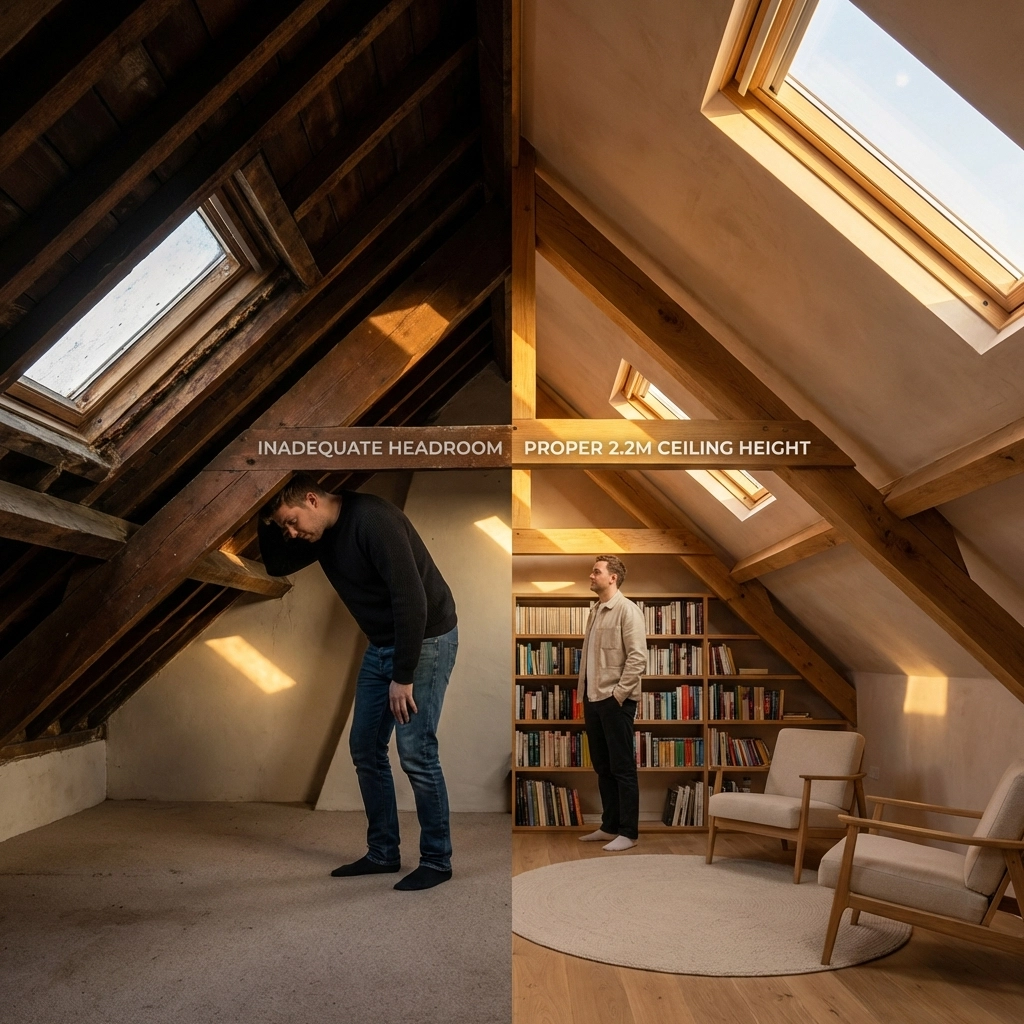
The problem: Nothing kills the excitement of a new loft space quite like constantly ducking your head. Many homeowners assume their loft has adequate ceiling height, only to discover that the minimum 2.2-metre requirement leaves them with a cramped, unusable space.
This issue often occurs when new loft structures are built directly on top of existing ceiling joists without considering the lost height. What looked spacious in your head becomes uncomfortably tight in reality.
The solution: Proper structural assessment is crucial before any work begins. Experienced builders can modify the floor below's ceiling to "sink" the new structure, providing significantly more headroom. Yes, it's more expensive initially, but it's the difference between a usable room and an expensive storage area.
Poor Insulation: The Temperature Trap
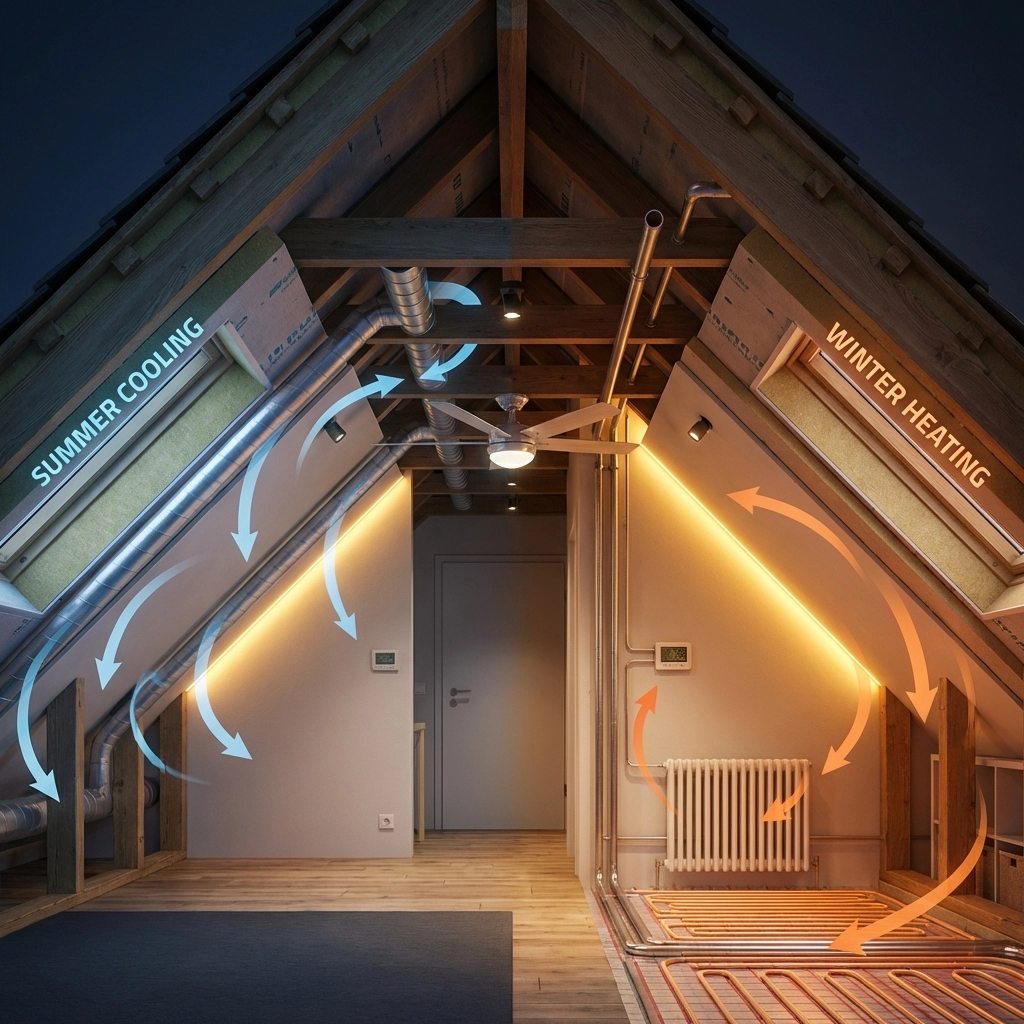
The problem: Lofts are naturally challenging spaces to heat and cool. Without proper insulation, your beautiful new room becomes an oven in summer and a freezer in winter. Poor insulation doesn't just make the space uncomfortable – it sends your energy bills through the roof.
The research shows that overheating is one of the most significant problems in loft conversions. Too much glazing combined with inadequate ventilation creates what experts call an "oven-like environment" during warmer months.
The solution: Plan your insulation and ventilation systems from day one, not as an afterthought. Professional design ensures your space maintains comfortable temperatures year-round while keeping energy costs reasonable. Avoid excessive glazing and ensure adequate air circulation throughout the space.
Inadequate Natural Light: The Dark Reality
The problem: Nothing makes a loft feel smaller and more oppressive than poor lighting. Many conversions rely too heavily on artificial light, creating spaces that feel like basement rooms rather than bright, welcoming living areas.
Strategic window placement makes all the difference. Poorly positioned or inadequately sized windows leave you with a space that feels cramped and unwelcoming, regardless of its actual size.
The solution: Maximize natural light through carefully planned window placement and skylights during the design phase. Consider how light moves through the space at different times of day and seasons. Professional planning ensures your loft feels bright and spacious rather than dark and confined.
Structural Concerns: When Your Roof Can't Cope
The problem: Not every roof can handle a conversion without significant reinforcement. Existing roof timbers often aren't strong enough to support the additional load of a new living space, furniture, and occupants. Discovering this mid-project leads to costly delays and budget overruns.
The solution: Have structural engineers assess your roof's integrity and load-bearing capacity before design work begins. Check the roof pitch, existing timber condition, and overall structural soundness. Professional assessment identifies necessary reinforcements upfront, preventing nasty surprises later.
Access and Staircase Nightmares
The problem: Fitting a safe, comfortable staircase into your home's existing layout is often more challenging than homeowners expect. Poor staircase placement affects your entire home's flow, while inappropriate staircase types (like spiral stairs in family homes) can violate safety regulations.
Many homeowners underestimate the space requirements for a proper staircase. Pull-out ladders might seem like space-savers, but they're unsuitable for permanent living spaces and can be dangerous for children or elderly family members.
The solution: Plan staircase placement early in the design process. Choose stairs that are proportionate to the space and meet all safety regulations. Consider how the staircase affects room layouts both upstairs and downstairs. Professional planning ensures your staircase enhances rather than hinders your home's functionality.
Ventilation Problems: The Hidden Dampness
The problem: Inadequate ventilation leads to condensation, dampness, and potential mold growth. Loft spaces are particularly susceptible to these issues due to their position at the top of the house where warm, moist air naturally rises.
Poor ventilation doesn't just create comfort issues – it can damage your investment and create health problems for your family.
The solution: Design comprehensive ventilation systems that handle both natural airflow and moisture control. Professional installation ensures proper air circulation that prevents condensation while maintaining comfortable living conditions.

Building Regulation Headaches
The problem: Building regulation compliance isn't optional, but it's often misunderstood. Many projects face costly delays when regulations aren't properly addressed from the start. Fire safety requirements, in particular, often catch homeowners off-guard – most loft conversions require upgrading all doors in the house to fire doors.
The solution: Consult building codes early and budget for required safety upgrades. This includes fire-resistant doors, proper escape routes, and smoke detection systems. Professional guidance ensures compliance from day one rather than expensive corrections later.
Budget Overruns: The Expensive Surprises
The problem: Hidden issues like asbestos, structural problems, or inadequate existing infrastructure often surface mid-project. These discoveries can derail budgets and timelines, turning an exciting project into a financial headache.
Poor bathroom placement is a classic example – positioning the bathroom at the front of the house often requires installing an entirely new plumbing system rather than connecting to existing pipes.
The solution: Thorough pre-construction surveys identify potential issues before work begins. Position new bathrooms near existing plumbing lines when possible. Build contingency funds into your budget for unexpected discoveries. Working with experienced loft conversion specialists ensures proper planning that minimizes costly surprises.
The Professional Difference
The common thread in avoiding these problems? Professional expertise from the start. Many loft conversion disasters happen when homeowners try to cut corners on planning and professional guidance.
Experienced contractors understand the intricacies of loft conversions – from structural requirements to building regulations, from proper insulation techniques to staircase planning. They've seen these problems before and know how to prevent them.
Moving Forward with Confidence
A well-planned loft conversion can transform your home and lifestyle, adding valuable space without the disruption and expense of moving. The key is addressing potential problems before they become expensive realities.
Whether you're exploring the possibilities for your West Sussex home or ready to move forward with your conversion plans, professional guidance makes all the difference. At Swanbourne Construction Ltd, we help identify and address potential issues early, ensuring your loft conversion proceeds smoothly from initial consultation to final completion.
Your loft conversion should enhance your home and lifestyle, not create problems. With proper planning and professional expertise, you can avoid these common pitfalls and create the additional space your family needs.
Ready to explore your loft conversion options? Contact us for a consultation to discuss your specific requirements and how we can help you avoid these common problems while creating the perfect additional space for your home.