
Living within the historic walls of Chichester is a privilege that many homeowners across West Sussex envy. From the Georgian elegance of The Pallants to the quaint flint-walled cottages tucked away near the Cathedral, these properties offer a sense of history and character that modern builds simply cannot replicate. However, owning a home in a Chichester Conservation Area comes with a unique set of responsibilities and, let’s be honest, a fair share of bureaucratic hurdles.
At Swanbourne Construction Ltd, we’ve spent over 20 years navigating the delicate balance between preserving West Sussex’s architectural heritage and creating functional, modern living spaces. We’ve seen homeowners dive headfirst into renovations only to be met with "stop work" notices or costly enforcement orders.
If you are planning to upgrade your heritage home in 2026, avoiding these seven common mistakes will save you time, money, and a significant amount of stress. Here is how to navigate the Chichester District Council planning maze like a pro.
1. Assuming "Permitted Development" Rights Apply
One of the most frequent (and expensive) mistakes we see is the assumption that because your neighbor in a non-conservation area built a rear extension without planning permission, you can too. In Chichester’s conservation areas, many "Permitted Development" rights are restricted or removed entirely through what is known as Article 4 Directions.
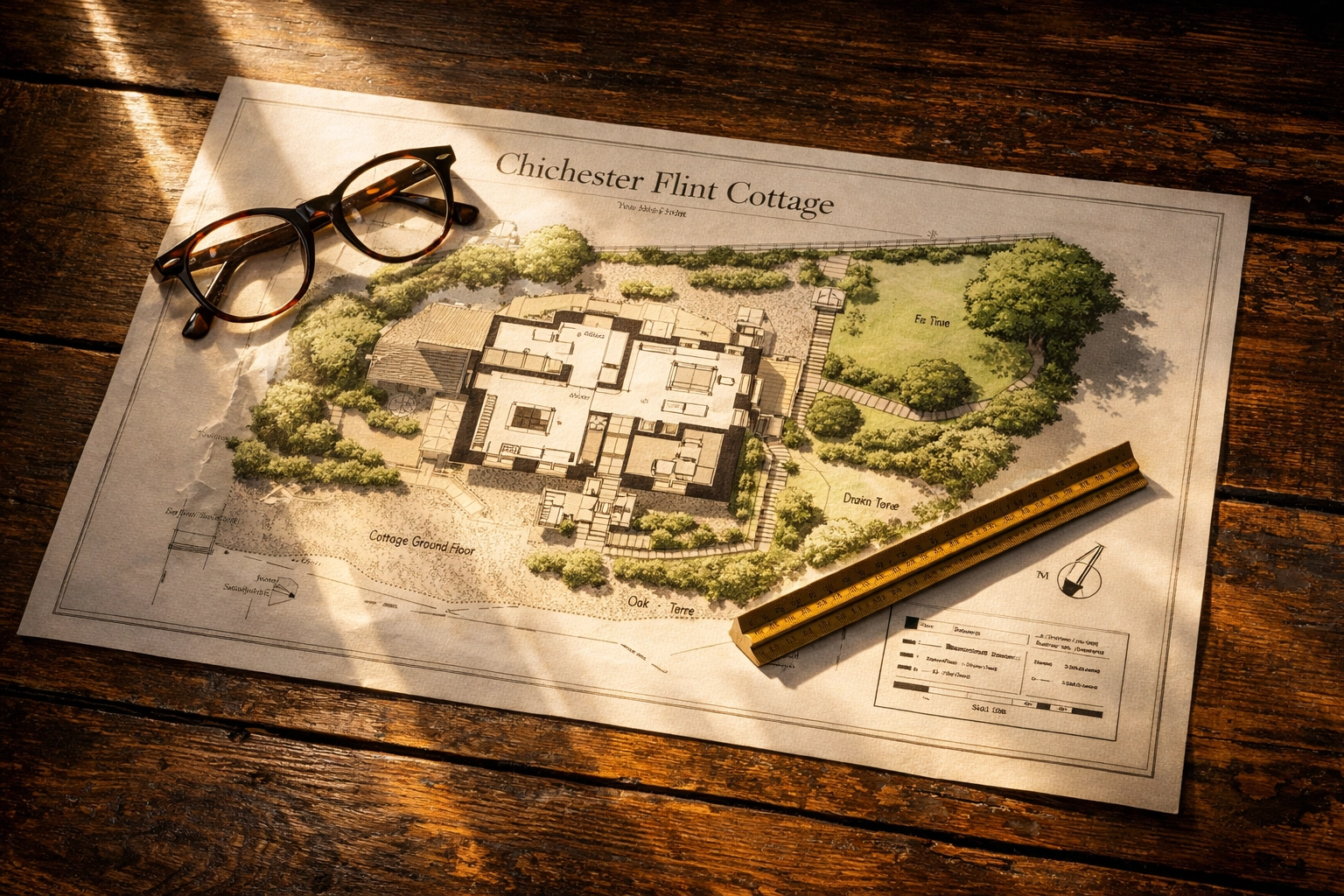
The Fix: Always assume you need planning permission. Whether you’re looking at house extensions in Chichester or even just changing a garden wall, check the Chichester District Council’s specific constraints for your street. Early engagement with a specialist builder who understands local heritage policy is vital. At Swanbourne Construction, we often handle the initial feasibility checks to ensure your vision aligns with local restrictions.
2. Choosing uPVC Over Traditional Timber
It’s tempting. uPVC windows are cheaper, low-maintenance, and the thermal technology in 2026 is better than ever. However, installing uPVC in a Chichester conservation area is often the fastest way to receive an enforcement notice. The "character and appearance" of the area are heavily defined by the vertical sliding sashes and slim profiles of traditional timber.
The Fix: Invest in high-quality, bespoke timber joinery. Modern timber windows offer incredible longevity and thermal performance that rivals uPVC. If you are worried about heat loss, we often recommend slimline double glazing or heritage-grade "vacuum glass" that fits into traditional thin glazing bars. This preserves the aesthetic while keeping your energy bills down. If you're looking for inspiration on how this looks in practice, check out our previous projects.
3. Neglecting the "Chichester Palette" of Materials
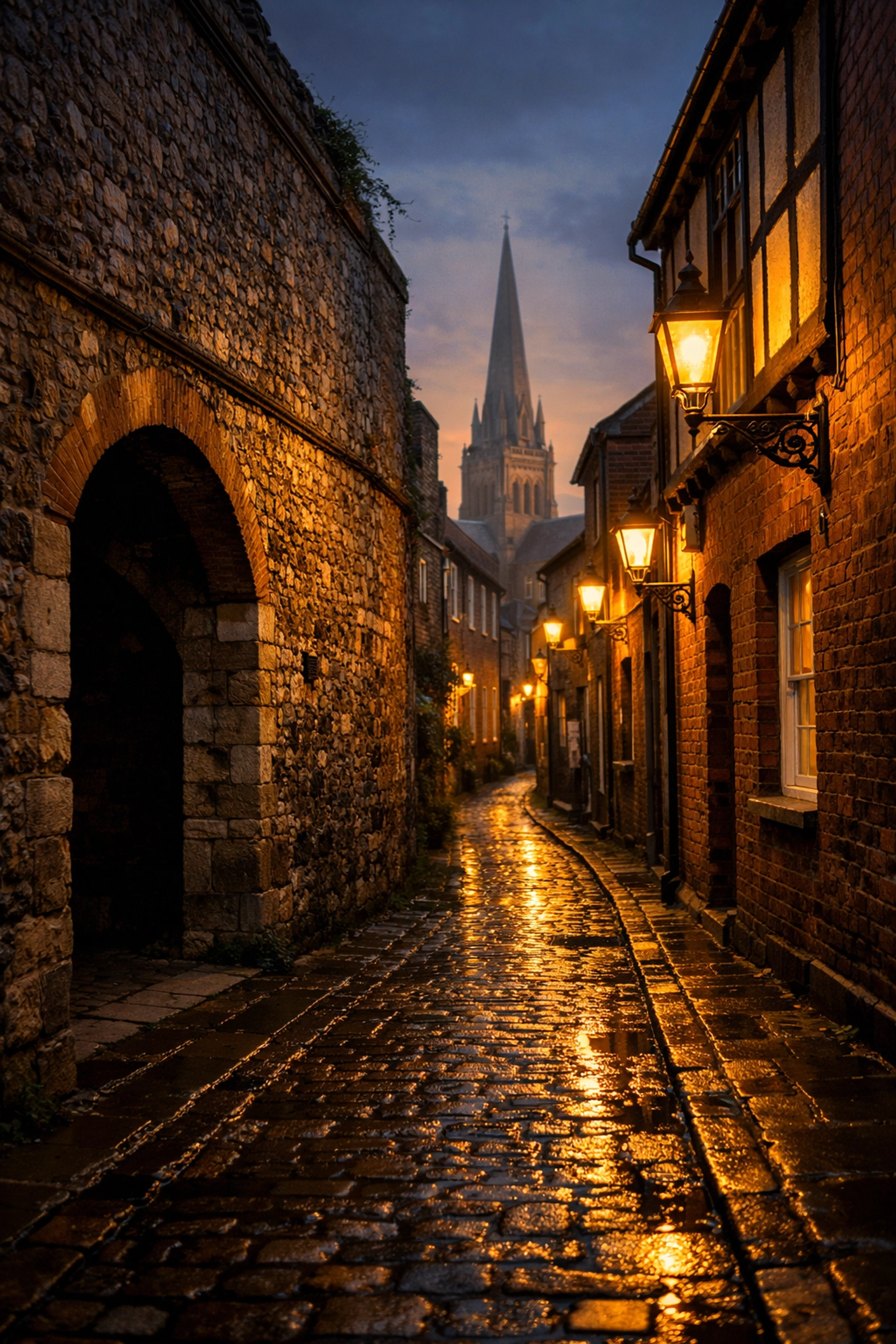
Chichester has a very specific visual language. The mix of knapped flint, red clay bricks, and lime mortar is what makes our city beautiful. Using modern "London Stock" bricks or, worse, standard cement-based mortar on an 18th-century wall can cause irreparable damage. Cement traps moisture in old porous bricks, leading to "spalling" where the face of the brick literally falls off.
The Fix: Source local materials and traditional skills. When we work on listed building renovations, we ensure that we use lime-based mortars and locally sourced Sussex flint. It’s not just about the look; it’s about the structural health of the building. Matching the "flemish bond" or "english bond" brick patterns of your original house is a small detail that makes a massive difference to the planning department’s final sign-off.
4. Failing to Consult the Neighbors (and the Council) Early
In a city as compact as Chichester, your renovation affects the street scene. We’ve seen many projects delayed because a neighbor felt the proposed extension blocked their "light and outlook," leading to formal objections that could have been avoided with a cup of tea and a polite conversation.
The Fix: Use the Pre-Application Advice service. While there is a small fee, getting a planning officer to visit your site before you submit a formal application is worth every penny. It allows you to iron out "deal-breakers" early. Simultaneously, talk to your neighbors. Showing them your plans for a luxury loft conversion and explaining how you’ve designed the dormers to avoid overlooking their garden builds goodwill and prevents delays.
5. Over-Modernizing the "Street Scene"
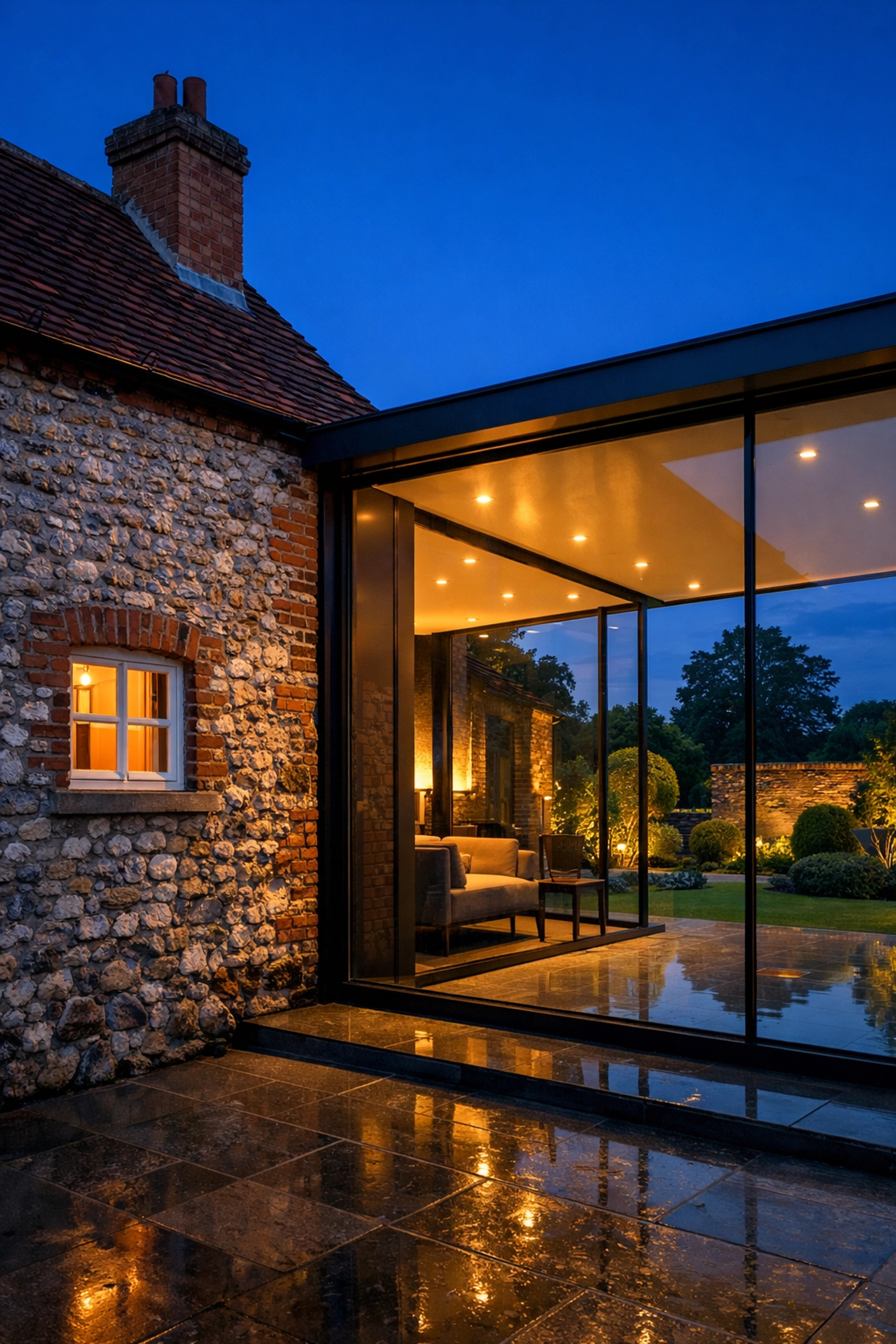
We all want a bright, open-plan kitchen-diner with bi-fold doors. However, if that extension is visible from a public highway or footpath in a conservation area, the council will likely demand something more sympathetic. The mistake is trying to make the new part of the house look exactly like the old part using "faux-period" techniques, which often look cheap.
The Fix: Embrace the "honest" extension. Often, conservation officers prefer a clearly modern, high-quality extension that "touches the earth lightly" and contrasts beautifully with the original stone or brick. Think glass links or zinc roofing paired with traditional flint. The key is scale and massing, the extension should never dominate the original building. We specialize in these sensitive extensions across West Sussex, ensuring the old and new live in harmony.
6. Ignoring the Impact of Micro-Changes
It isn't just the big extensions that cause trouble. In Chichester, small changes can trigger a breach of conservation rules. These include:
- Installing a satellite dish on a front-facing chimney.
- Replacing a traditional wooden front door with a modern composite version.
- Removing a front garden wall to create a driveway.
- Installing solar panels on a roof slope visible from the street.
The Fix: Think holistically. If you want to improve your home’s energy efficiency, a hot topic in 2026, consider "hidden" solutions. We often suggest solar slates that mimic traditional tiles or placing air-source heat pumps in discrete acoustic enclosures in the rear garden. You don't have to sacrifice 21st-century comfort for 18th-century charm; you just need to be clever about the placement.
7. Hiring a Builder Without Heritage Experience
This is perhaps the most critical error. A "general builder" might be excellent at throwing up a new-build shell in a modern estate, but heritage work requires a different mindset. They may not understand the importance of breathable paints, the nuances of leadwork, or the specific requirements of the Chichester District Council’s conservation team.
The Fix: Choose a partner with local roots and a proven track record. Swanbourne Construction Ltd has been the preferred choice for homeowners in Chichester, Bognor Regis, and Arundel for over two decades. We understand the specific soil conditions, the local supply chains for reclaimed materials, and, most importantly, the people behind the planning desks. When you hire an expert, you aren't just paying for bricks and mortar; you're paying for the peace of mind that your home’s value and heritage are being protected.

Why Renovating in a Conservation Area is Worth the Effort
You might be reading this and thinking, "Is it worth the hassle?" The answer is a resounding yes.
Properties in Chichester’s conservation areas consistently hold their value better than those outside of them. By following the rules and investing in quality craftsmanship, you aren't just renovating a house; you are stewarding a piece of Sussex history. The satisfaction of sitting in a perfectly insulated, modernised Georgian townhouse while the bells of the Cathedral ring in the distance is unparalleled.
Whether you are in the heart of Chichester, the historic center of Arundel, or looking to maintain a character property in Bognor Regis, the principles remain the same: Respect the past, plan for the future.
Ready to Start Your Journey?
Navigating a conservation area renovation doesn't have to be a nightmare. With the right team, it can be a rewarding process that transforms how you live. If you’re ready to discuss your project: be it a kitchen extension, a loft conversion, or a full heritage restoration: we’re here to help.
Contact Swanbourne Construction Ltd today for an initial consultation. Let’s talk about how we can bring your 2026 renovation dreams to life while keeping the planning officers happy.
Get in touch with our Chichester experts or explore our FAQ page to learn more about our process.