
There is a unique pride that comes with owning a home in the historic hearts of West Sussex. Whether you are nestled within the Roman walls of Chichester or living under the watchful eye of the castle in Arundel, you aren't just a homeowner; you are a custodian of English heritage. However, when the time comes to update your kitchen, extend your living space, or convert a loft, that sense of pride can quickly turn into a headache of red tape and planning restrictions.
At Swanbourne Construction Ltd, we’ve spent over 20 years navigating the complexities of local planning. We know that renovating in a conservation area requires a different mindset: one that balances your desire for modern luxury with the local council’s mandate to preserve "special architectural or historic interest."
If you’re planning a project in 2026, the rules have become even more nuanced, particularly regarding sustainability and materials. Here are 10 essential things you need to know before you pick up a sledgehammer.
1. Forget "Permitted Development" as You Know It
In most suburban areas, you can often build a modest extension or convert a garage without full planning permission. In the conservation areas of Chichester and Arundel, these Permitted Development (PD) rights are significantly restricted.
Many properties in these historic zones are subject to Article 4 Directions. This is a legal tool used by councils like Chichester District or Arun District to remove PD rights entirely for specific works. This means even minor changes: like changing the colour of your front door or replacing a window: might require a formal planning application. Before you assume your project is "too small to matter," check with a professional builder who understands the local landscape.
2. The Design and Access Statement is Your Secret Weapon
When you submit a planning application in a conservation area, you cannot simply provide a few sketches. You are required to submit a Design and Access Statement (DAS).
This document is your opportunity to "sell" your vision to the planning officers. It explains how your renovation will preserve or enhance the character of the area. At Swanbourne Construction Ltd, we emphasize that a well-written DAS shouldn't just talk about what you are building, but why it belongs there. Are you using knapped flint to match the neighbours? Are your roof pitches aligned with the street’s silhouette? Proving you’ve thought about the streetscape is half the battle won.

3. Materials Must Be "Sympathetic" (and Often Local)
In a modern development in Bognor Regis, you might get away with standard uPVC or generic brick. In the heart of Arundel or Chichester, the council will demand locally distinctive materials.
Expect to use:
- Knapped or field flint for walls.
- Handmade clay tiles or natural slate for roofing.
- Lime mortar instead of modern cement (to allow old bricks to breathe).
- Timber joinery instead of plastic.
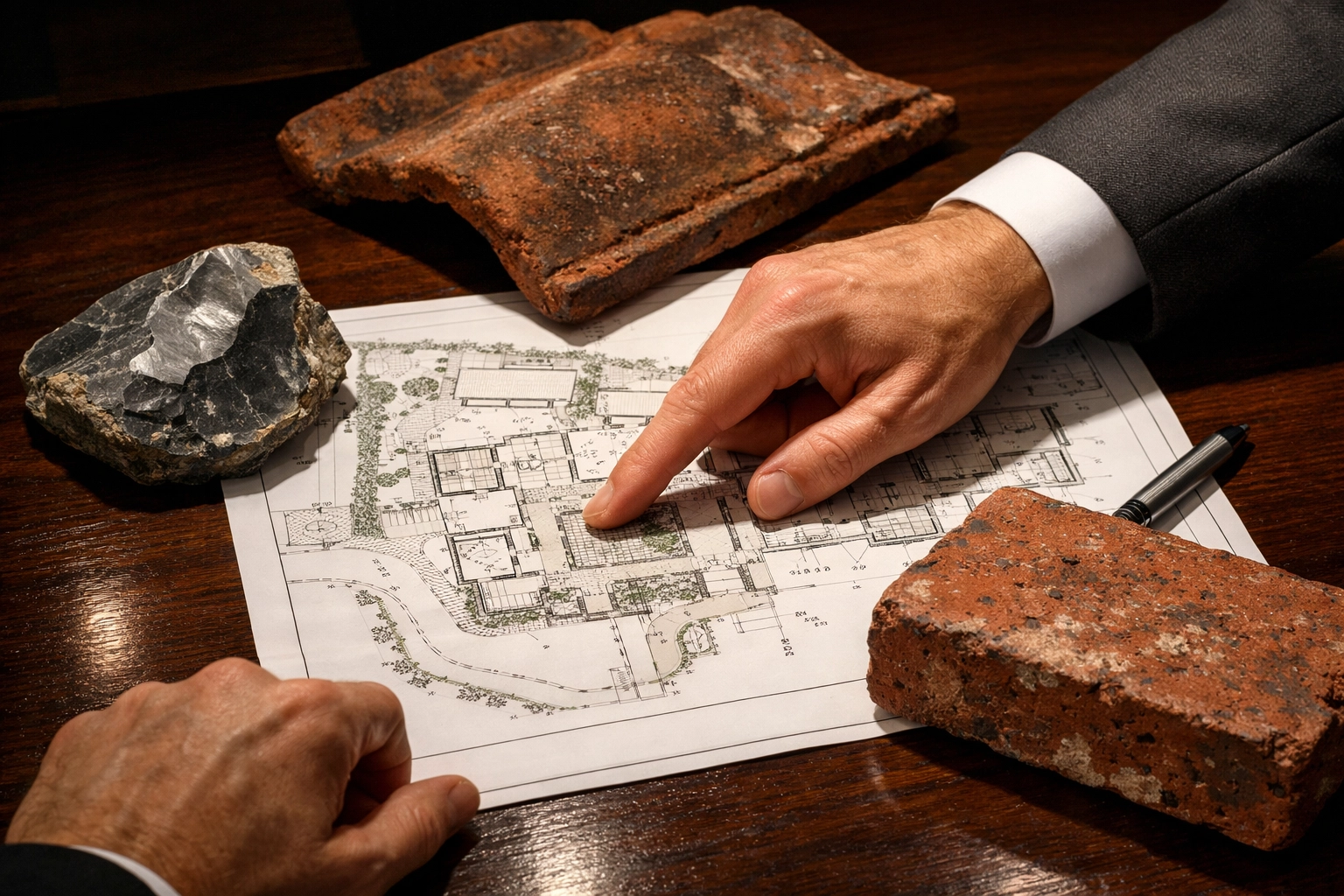
Using the wrong materials doesn't just risk a rejected application; it can lead to enforcement action years down the line. We always advise our clients to source samples early. Matching the specific hue of "Chichester Red" brick is an art form we’ve perfected over two decades.
4. Rooflines are Sacred
The "rhythm" of the roofline is a major factor in conservation area appraisals. If you are looking at loft conversions in Chichester, be prepared for strict rules regarding dormer windows.
Large, boxy dormers that sit on the rear of a property might be acceptable elsewhere, but in a conservation area, the council usually prefers flush-fitting rooflights or very small, pitched-roof dormers that remain "subordinate" to the original roof. The goal is to ensure your extension doesn't dominate the view from the street or from high vantage points (a major consideration in hilly Arundel).
5. Trees Have "Protection Orders" by Default
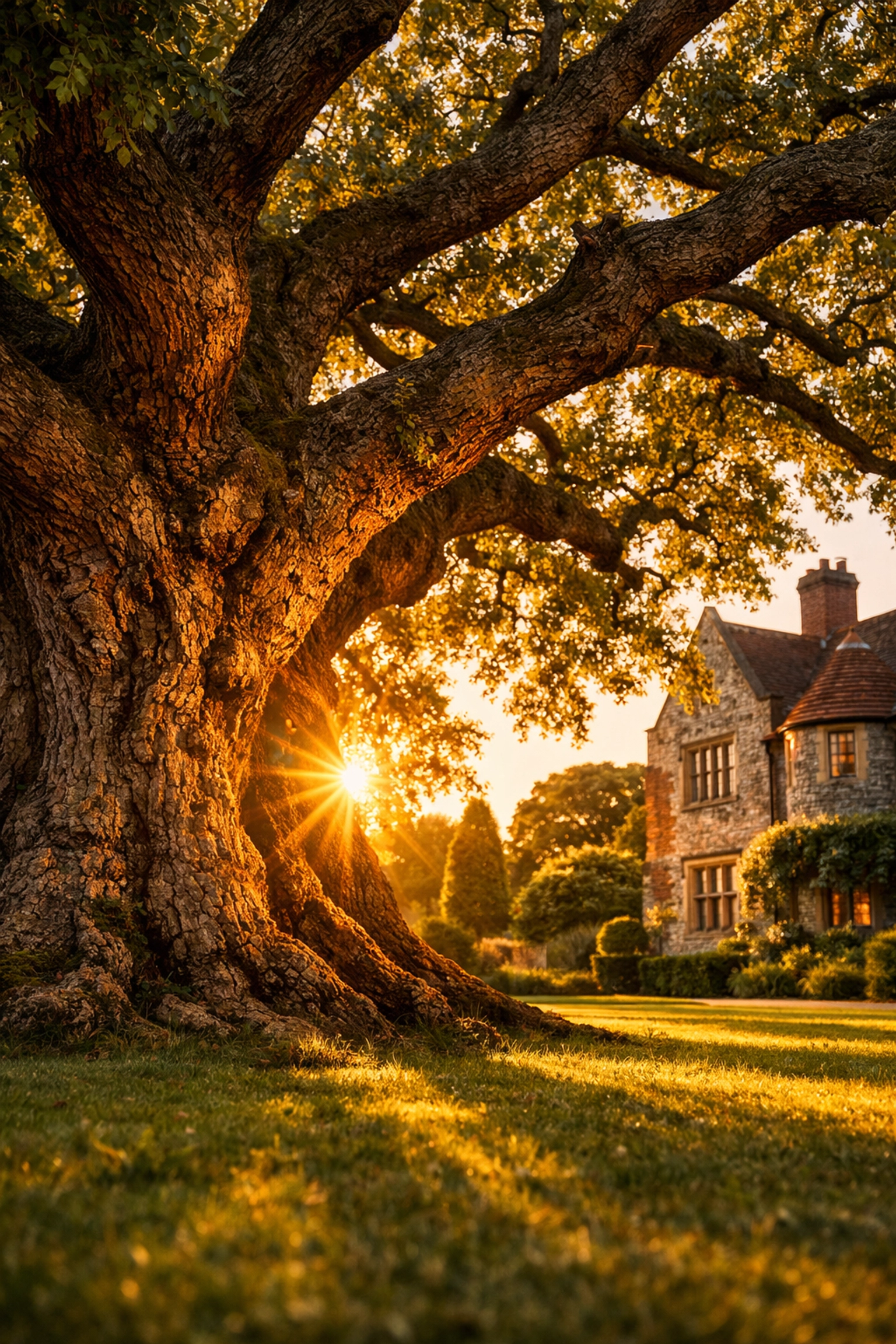
Did you know that in a conservation area, almost all trees are protected? Even if a tree doesn't have a specific Tree Preservation Order (TPO), you are legally required to give the council six weeks' notice before doing any work to a tree with a trunk diameter greater than 75mm.
If your extension requires digging foundations near an old oak or cedar, you will likely need an arboricultural impact assessment. The roots of these trees are considered part of the "character" of the area, and damaging them can lead to hefty fines.
6. The "Listed Building" Trap
It is a common misconception that "Conservation Area" and "Listed Building" are the same thing. They are not, but they often overlap.
- Conservation Area: Protects the neighbourhood and the exterior of buildings.
- Listed Building: Protects the entire structure, inside and out.
If your home is Grade II listed and inside an Arundel conservation area, the rules are even tighter. You will need Listed Building Consent for internal changes like removing a wall or even updating a fireplace. Always clarify the status of your property on the National Heritage List for England before planning your house extension.
7. Windows: The 2026 Efficiency vs. Heritage Debate
This is perhaps the most contentious area of renovation in 2026. With rising energy costs, every homeowner wants double or triple glazing. However, traditional conservation rules often mandate single-glazed timber sashes.
The good news? Planning departments are becoming more flexible due to climate goals. We are seeing more approvals for slimline double glazing (vacuum-sealed units that look like single glass) or high-quality secondary glazing. The key is the frame; if you try to install chunky uPVC frames in a Georgian terrace on South Street, it will almost certainly be rejected.
8. Consult the "Character Appraisal" Documents
Chichester and Arundel both have detailed Conservation Area Character Appraisals. These are documents published by the council that describe exactly what makes your specific street special.
Does your street have a particular "building line" (where all houses sit the same distance from the road)? Are there specific "glimpses" of the Cathedral or Castle that must be protected? Reading these documents allows us to design your renovation to fit the council's own criteria, making the approval process significantly smoother.
9. Pre-Application Advice is Worth Every Penny
We often suggest that our clients invest in a Pre-App. This is a formal service where you pay a small fee to a planning officer to review your initial ideas before you submit a full application.
In conservation areas, this is invaluable. It allows you to "test the water" with controversial ideas: like a modern glass-box extension on a flint cottage. It’s better to find out the council hates the idea in the pre-app stage than after you’ve spent thousands on full architectural drawings.
10. Choose a Builder Who Lives and Breathes Sussex Heritage
Renovating a historic home isn't like building a new-build. It requires an understanding of how old buildings move, how they breathe, and how they interact with the unique Sussex climate.
At Swanbourne Construction Ltd, we pride ourselves on being builders in Westergate who serve the entire Chichester, Arundel, and Bognor Regis triangle. We don't just bring tools; we bring a network of local craftsmen: from specialist joiners to flint-knappers: who ensure your home meets 21st-century standards without losing its 18th-century soul.
Transforming Your Vision Into Reality
Living in a conservation area shouldn't feel like living in a museum. Your home needs to work for your modern lifestyle: whether that’s an open-plan kitchen for entertaining or a quiet, soundproofed loft office. The trick is in the execution.
Are you ready to discuss your project? Whether you are in the early stages of dreaming or have architectural plans in hand, we are here to guide you through the maze of local regulations.
Don't leave your heritage home to chance. Contact Swanbourne Construction Ltd today for a consultation. Let’s build something that the planners will love as much as you do.
For more inspiration on local builds, feel free to browse our previous projects or check out our specific guides for extensions in Arundel and Chichester.