
If you're considering a loft conversion for your West Sussex home, understanding the UK's rules and regulations is essential before you begin. Loft conversions in the UK are subject to building regulations that ensure structural safety, fire safety, and adequate insulation. The good news? Most loft conversions under 50 cubic metres fall under permitted development rights, meaning you won't need planning permission in many cases.
However, navigating these regulations can feel overwhelming. Let's break down exactly what you need to know about loft conversion rules in the UK, so you can move forward with confidence.
Building Regulations: Always Required
Every loft conversion requires building regulation approval, regardless of whether you need planning permission. This isn't optional: it's a legal requirement that protects you and ensures your conversion meets essential safety standards.
Building regulations cover several critical areas:
Structural Safety
Your existing floor joists likely weren't designed to support a habitable room. Building regulations ensure proper structural support for the additional weight, including new flooring, furniture, and occupants. This often requires strengthening existing joists or installing new structural elements.
Fire Safety and Escape Routes
Proper fire escape routes are mandatory, typically requiring fire-resistant doors, walls that can withstand fire for specific periods, and escape windows that meet minimum size requirements. These measures could save lives in an emergency.
Minimum Head Height Requirements
You need at least 2.2 metres of clear height at the centre of your converted space. This measurement accounts for new flooring and insulation, so your existing ridge height needs to be higher than this minimum.
Thermal Insulation Standards
Your conversion must meet current energy efficiency standards under Part L building regulations. This means proper insulation in walls, floors, and roofs to specific U-value requirements, helping reduce energy bills and environmental impact.
Electrical Safety
All electrical work must comply with current safety standards and be certified by qualified electricians. This includes proper circuit design, safe installation methods, and appropriate testing.
Sound Insulation
Building regulations require adequate sound insulation between your new loft space and existing rooms below, ensuring comfort for all occupants.

A registered building inspector conducts inspections at pre-agreed stages throughout your project, issuing a completion certificate once everything meets standards. This certificate is crucial for property sales and mortgage applications.
Planning Permission: When It's Required
Most loft conversions don't require planning permission if they fall under permitted development rights. However, several factors determine whether you need formal planning approval.
Permitted Development Criteria
Your conversion qualifies for permitted development if:
- Dormer extensions are set back at least 200mm from original eaves
- The conversion doesn't exceed 50 cubic metres (40 cubic metres for terraced houses)
- Extensions don't overhang the outer face of original walls
- Materials are similar in appearance to existing property
When Planning Permission Is Required
You'll need planning permission if your property is:
- Listed or in designated areas: Conservation areas, Areas of Outstanding Natural Beauty, National Parks, World Heritage Sites, or Norfolk/Suffolk Broads
- Exceeding permitted development limits: Larger dormers or extensions beyond size restrictions
- Requiring external changes: Significant alterations to roof lines or property appearance
Planning applications involve neighbor consultation periods and local authority assessment, typically taking 8-12 weeks for decisions.
Key Technical Requirements
Understanding specific technical requirements helps you plan effectively and avoid costly surprises during your project.
Staircase Specifications
Building regulations specify strict staircase requirements including:
- Minimum width of 800mm
- Maximum pitch of 42 degrees for main stairs
- Minimum headroom of 2 metres
- Proper handrail specifications
- Adequate landing spaces at top and bottom
Ventilation Systems
Proper ventilation prevents condensation and maintains air quality. Requirements include background ventilation through windows or vents, and extract ventilation for any ensuite bathrooms.
Structural Calculations
A structural engineer must assess your roof's ability to support conversion loads and specify any required reinforcement. This includes evaluating existing timbers, foundation loads, and overall building stability.
Window and Natural Light
While not specifically regulated, adequate natural light significantly improves usability. Building regulations require escape windows in habitable rooms, which also provide essential daylight.

Party Wall Agreements: Essential for Attached Properties
Unless your home is detached, you'll likely need party wall agreements with neighbors before starting work. This legal requirement protects both parties' interests when work affects shared walls or structures.
Party wall agreements cover:
- Work affecting shared walls in semi-detached or terraced properties
- Excavations within specific distances of neighboring foundations
- Structural changes that might impact adjacent properties
This process requires formal notices to neighbors and potentially surveyor appointments if agreements can't be reached amicably. Starting this process early prevents project delays.
What This Means for Your Project
Understanding these rules helps you plan realistically and avoid common pitfalls that can halt projects or require expensive corrections.
Budget Considerations
Building regulation compliance adds costs but protects your investment. Professional fees for structural engineers, building control applications, and compliance measures are essential project expenses, not optional extras.
Timeline Planning
Building regulation approval processes take time. Applications typically require 2-3 weeks processing, plus inspection scheduling throughout construction. Planning permission, if required, adds 8-12 weeks to your timeline.
Design Limitations
Regulations influence design possibilities. Head height requirements might limit usable space, fire safety rules affect internal layouts, and permitted development criteria constrain external changes.
Professional Requirements
Compliance requires qualified professionals including structural engineers for calculations, building control inspectors for approvals, and certified tradespeople for electrical work and other regulated installations.
Working with Experienced Professionals
The complexity of loft conversion regulations makes professional guidance invaluable. At Swanbourne Construction Ltd, we handle all necessary approvals and ensure your loft conversion meets every regulatory requirement, giving you complete peace of mind throughout the project.
Experienced contractors understand local authority requirements, common approval processes, and potential complications before they arise. This knowledge prevents costly mistakes and ensures smooth project progression.
What Professional Support Includes
- Initial feasibility assessments considering all regulatory requirements
- Structural engineer coordination and calculations
- Building regulation application submission and management
- Planning permission applications when required
- Party wall agreement processes
- Inspection scheduling and compliance verification
- Problem-solving when unexpected issues arise
Quality Assurance Benefits
Professional contractors carry appropriate insurance, provide warranties on work completed, and maintain relationships with local building control departments. These connections often streamline approval processes and resolve issues quickly.
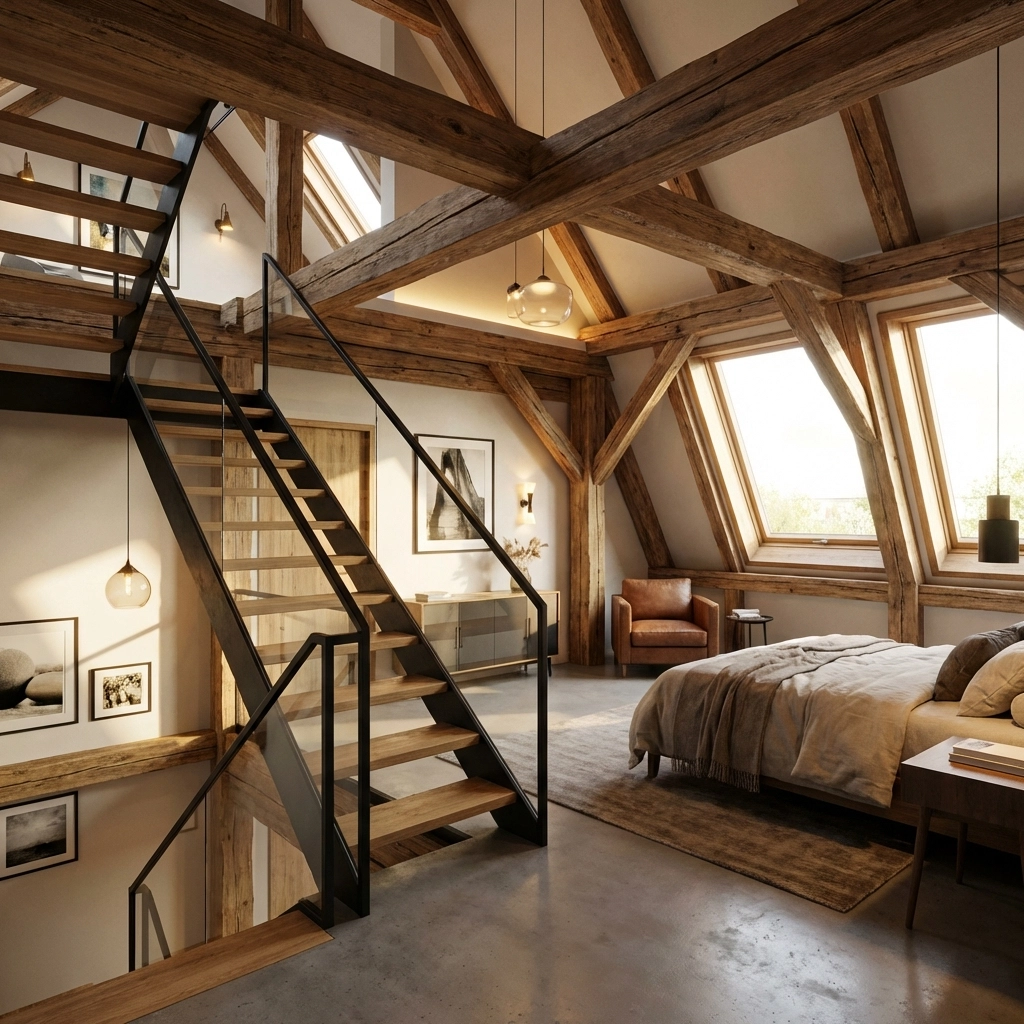
Working with qualified professionals also ensures your conversion adds maximum value to your property. Properly approved and certified work provides confidence to future buyers and mortgage lenders, protecting your investment long-term.
Moving Forward with Confidence
Understanding UK loft conversion rules empowers you to make informed decisions about your project. While regulations might seem complex, they exist to protect your safety, investment, and neighbors' interests.
The key is working with experienced professionals who understand these requirements intimately. Our team at Swanbourne Construction Ltd navigates regulatory requirements daily, ensuring your project meets all standards while maximizing your space and investment.
Whether you're considering a simple loft conversion or complex dormer extension, proper planning and professional guidance make the difference between a successful project and costly complications.
Ready to explore your loft conversion possibilities? Our comprehensive loft conversion services include full regulatory compliance, structural assessments, and design optimization to create the perfect space for your needs while meeting every UK requirement.
Contact us for a consultation to discuss your specific property, requirements, and how we can bring your loft conversion vision to life within all regulatory frameworks.