Planning a loft conversion for your West Sussex home? You're making a smart investment decision that can add significant value and space to your property. However, even the most well-intentioned loft conversion projects can go wrong when common design mistakes creep in. Understanding these pitfalls before you start can save you thousands of pounds and months of frustration.
At Swanbourne Construction Ltd, we've seen every type of loft design mistake over our years serving homeowners across Bognor Regis, Chichester, and the surrounding areas. Here's your complete guide to avoiding the most costly and problematic loft conversion errors.
1. Inadequate Headroom Planning
The mistake: Inadequate headroom planning, where sloping ceilings create awkward, unusable spaces.
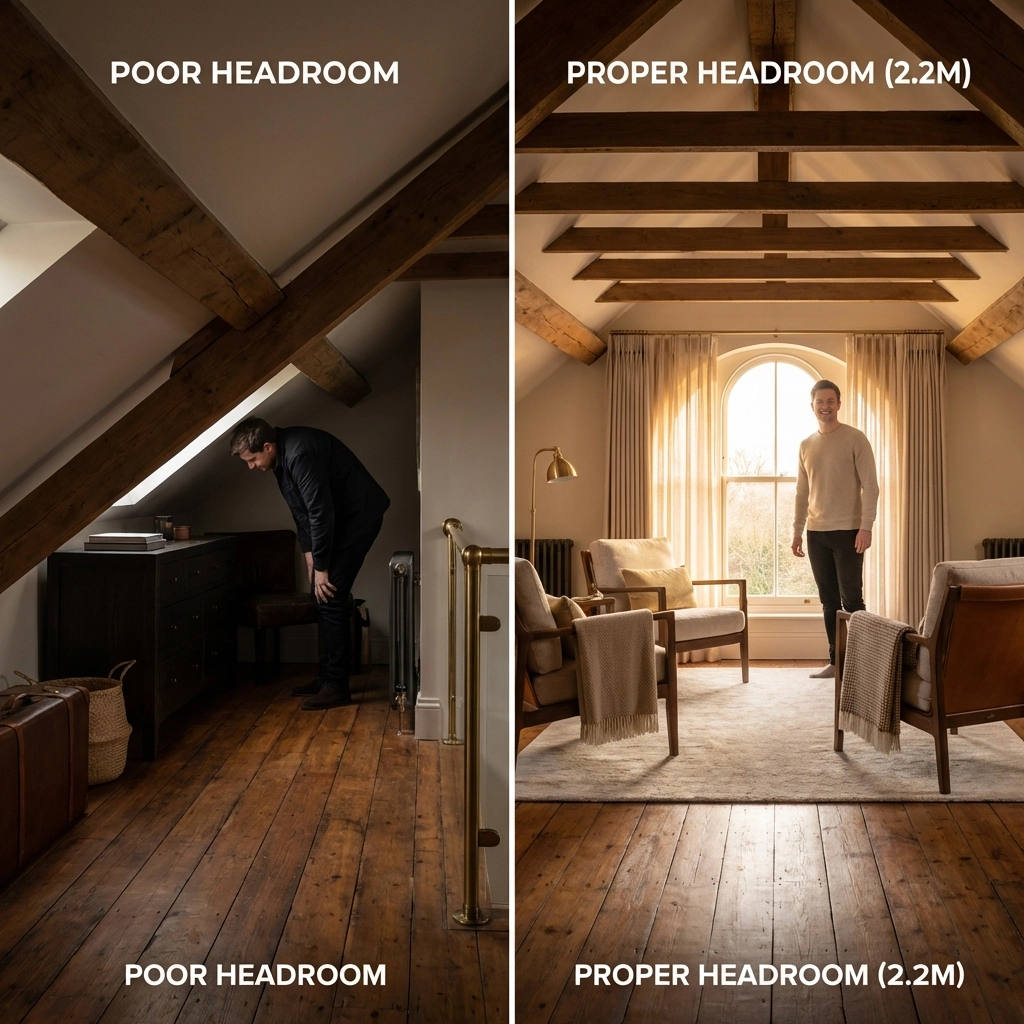
This is perhaps the most fundamental error in loft conversions. Many homeowners get excited about the prospect of extra space without properly measuring the available height. The result? Rooms where you can only stand upright in a narrow central strip, with unusable areas where the ceiling slopes down.
Building regulations require a minimum headroom of 2.2 metres, but this should be measured from the finished floor level after accounting for new joists, insulation, and flooring materials. What looks like adequate height in an empty loft often becomes cramped once properly converted.
The consequences extend beyond comfort. Inadequate headroom affects furniture placement, makes the space feel oppressive, and can significantly impact the room's functionality. You might end up with a beautiful conversion that nobody wants to use.
2. Poor Staircase Positioning
The mistake: Poor staircase positioning can disrupt the flow of existing rooms and waste valuable floor space.
Your staircase placement affects both your new loft space and your existing home's layout. Many conversions fail because the stairs are squeezed into inappropriate locations, cutting through bedrooms, blocking natural light, or creating awkward traffic patterns.
The ideal position is usually above your existing staircase, maintaining the home's natural flow. However, this isn't always possible, and poor alternatives often disrupt bedrooms or hallways unnecessarily. Some homeowners try to save money with spiral staircases, only to discover they're impractical for moving furniture or feel unsafe for daily use.
Remember that building regulations have strict requirements for stair width, pitch, and headroom. A professional assessment ensures your staircase meets safety standards while enhancing rather than compromising your home's functionality.
3. Insufficient Natural Light
The mistake: Insufficient natural light makes lofts feel dark and cramped: many conversions don't include enough or properly positioned windows.
Light transforms any space, but it's particularly crucial in loft conversions where sloping ceilings can already make rooms feel smaller. Many conversions rely on a single roof window, creating a cave-like atmosphere that feels more like storage space than a living area.
The positioning of windows matters enormously. A single large window might provide adequate light but poor ventilation. Multiple smaller windows can offer better air circulation and more interesting light patterns throughout the day. Consider how the sun moves across your roof and plan window placement accordingly.
Don't forget about artificial lighting either. Loft conversions often require creative lighting solutions to combat dark corners and low ceiling areas effectively.
4. Overlooking Storage Solutions
The mistake: Overlooking storage solutions leaves converted lofts cluttered, as eaves spaces go unused.
Loft conversions often lose the storage function that lofts traditionally serve, but many homeowners fail to plan adequate replacement storage. The result is a beautiful new room that quickly becomes cluttered with items that previously lived in the loft.
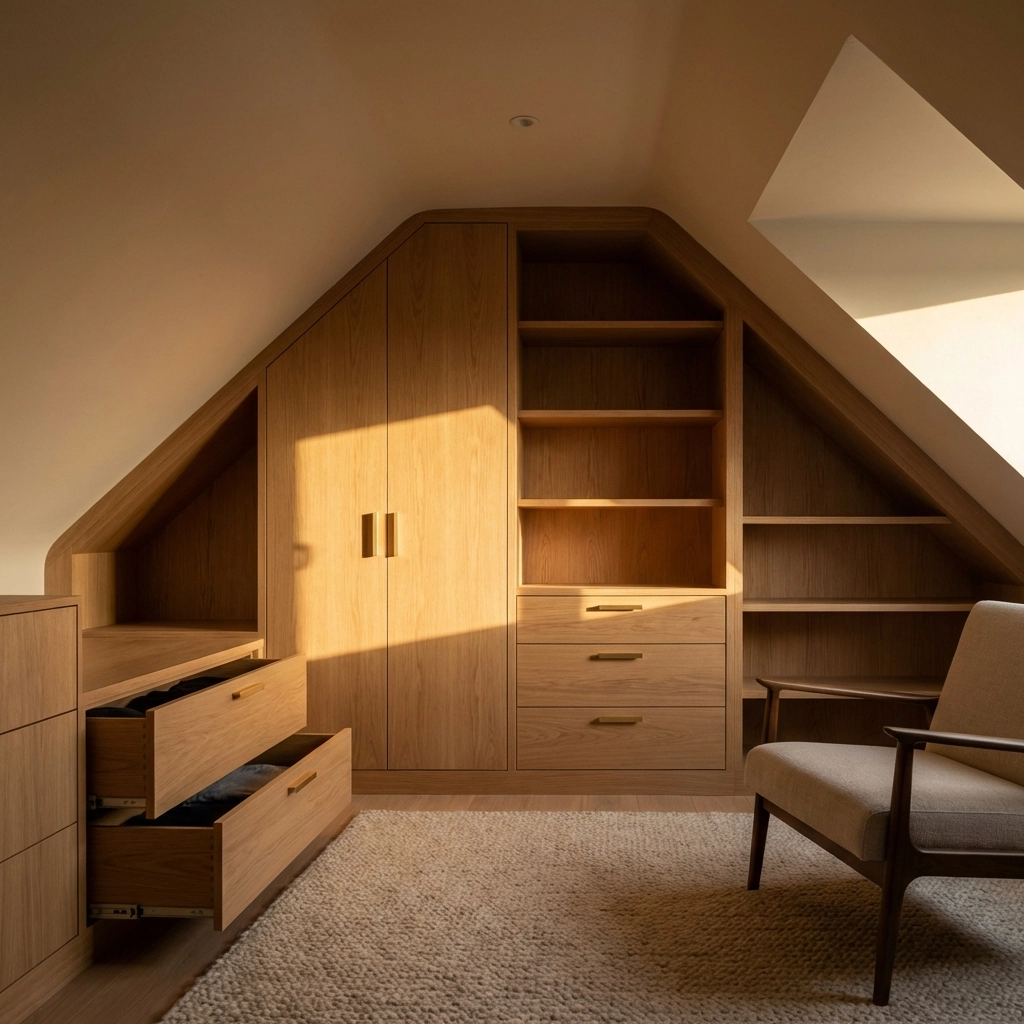
Eaves spaces: those awkward low-height areas under sloping roofs: are perfect for purpose-built storage. Rather than trying to incorporate them into the main room, smart design creates accessible storage solutions that maintain clean lines in your living space.
Built-in wardrobes, under-eaves drawers, and custom shelving maximize every inch while maintaining the room's aesthetic appeal. Planning storage during the design phase is far more effective and economical than trying to add solutions later.
5. Inadequate Insulation
The mistake: Inadequate insulation causes uncomfortable temperature extremes and high energy costs.
Loft conversions can become unbearably hot in summer and freezing cold in winter without proper insulation. This isn't just about comfort: poor insulation significantly increases heating and cooling costs, making your investment less economical long-term.
Modern building regulations require high-performance insulation, but many conversions still fall short. The roof area has more exposure to external temperatures than any other part of your home, making effective insulation absolutely critical.
Quality insulation also improves soundproofing, reducing noise from rainfall and external sources. Investing in proper insulation during construction is far more cost-effective than retrofitting later.
6. Poorly Planned Electrical and Plumbing Layouts
The mistake: Poorly planned electrical and plumbing layouts can limit future flexibility.
Your loft conversion electrical and plumbing infrastructure affects how you can use the space both now and in the future. Many conversions include minimal electrical points, requiring unsightly extension leads or costly retrofitting later.
Consider your current and potential future needs. Multiple double sockets, USB charging points, TV aerial connections, and internet cabling should all be planned during construction. For plumbing, think about potential future bathroom additions or kitchenette installations.
Running services through existing routes is more economical than creating new paths through your home's structure. Professional planning identifies the most efficient routes while future-proofing your installation.
7. Choosing Inappropriate Dormer Styles
The mistake: Choosing inappropriate dormer styles that clash with the property's character is another frequent error.
Dormers significantly impact your home's external appearance, yet many homeowners choose styles that clash with their property's architectural character. A modern box dormer on a Victorian terrace, or traditional features on a contemporary home, can actually reduce property value despite adding space.
Consider your home's existing style, the local architectural context, and any planning restrictions. Some areas have specific guidelines about dormer design, materials, and proportions. What looks good on paper might not suit your particular property.
The size and positioning of dormers also affect internal space quality. Larger dormers provide more headroom and floor area but might not be permitted under planning regulations or might overwhelm your home's proportions.
8. Neglecting Proper Ventilation
The mistake: Neglecting proper ventilation leads to condensation problems.
Loft conversions are particularly susceptible to condensation and dampness problems due to their roof location and temperature variations. Without adequate ventilation, moisture builds up, leading to mold, mildew, and potential structural damage.
Effective ventilation requires both background ventilation and rapid ventilation options. Trickle vents provide constant air circulation, while opening windows allow for rapid air changes when needed. Mechanical ventilation might be necessary in some conversions, particularly those with bathrooms or kitchenettes.
Consider the ventilation requirements during the design phase rather than trying to address problems after completion. Proper planning prevents condensation issues that can make your new space uncomfortable and unhealthy.
9. Skimping on Ceiling Height
The mistake: Skimping on ceiling height to save money creates oppressive spaces that feel uncomfortable.
Some homeowners try to maximize loft space by minimizing the height taken up by structural elements, insulation, and new flooring. While this approach might save money initially, it often creates spaces that feel cramped and uncomfortable.
Building regulations specify minimum heights for good reason: anything less feels oppressive and limits the room's functionality. Consider how the space will feel when furnished and lived in, not just how it looks empty.
Sometimes, spending more on structural modifications to achieve proper ceiling height throughout more of the room provides much better value than creating a larger area where much of the space isn't comfortably usable.
10. Not Considering Furniture Placement
The mistake: Not considering furniture placement during design results in impractical room layouts.
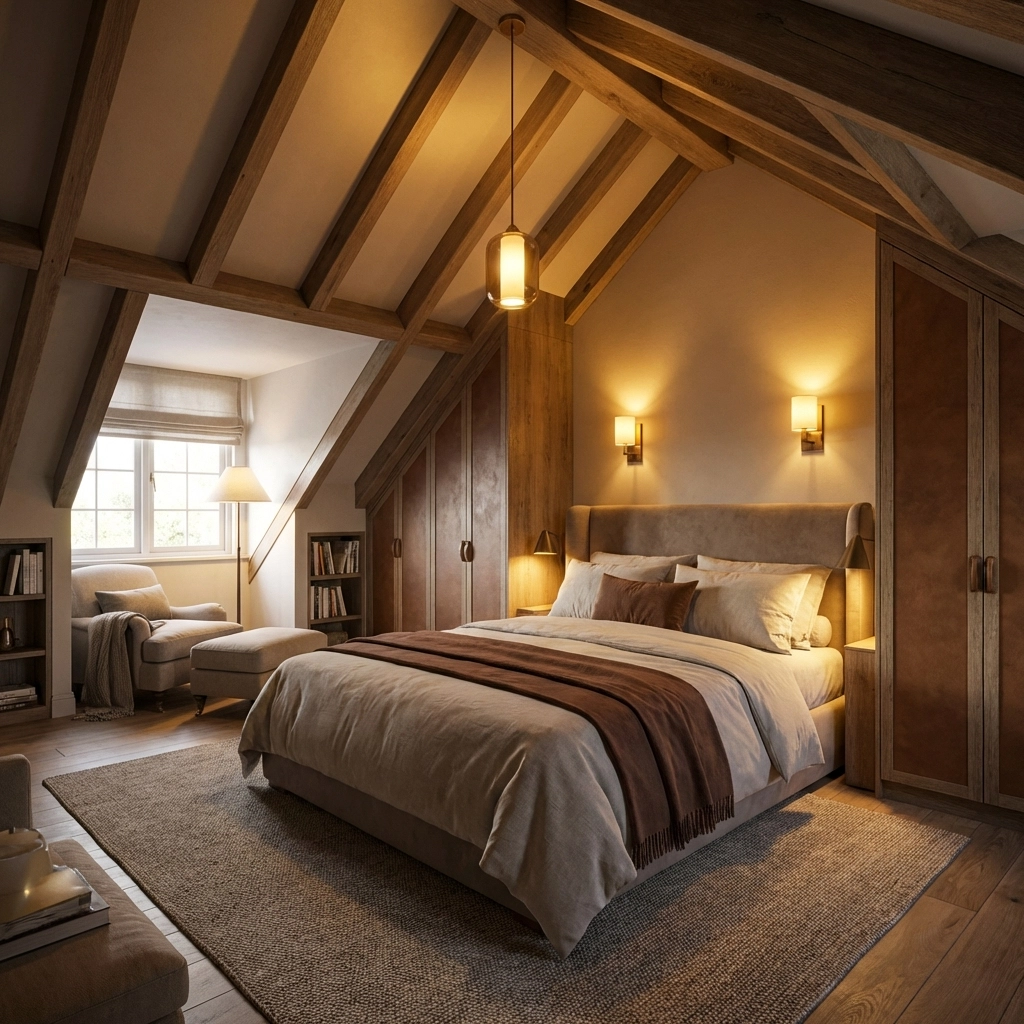
Many loft conversions look beautiful when empty but become problematic once you try to furnish them practically. Sloping ceilings, awkward corners, and poorly positioned features can make furniture arrangement extremely difficult.
Think about how you'll actually use the space. Where will the bed go in a loft bedroom? Can you position a wardrobe effectively? Will there be space to walk around furniture comfortably? These practical considerations should drive design decisions, not be afterthoughts.
Consider built-in furniture solutions that work with the room's unique angles and proportions. Custom solutions often provide better functionality than trying to fit standard furniture into awkward spaces.
11. Failing to Soundproof Adequately
The mistake: Failing to soundproof adequately between floors causes noise issues.
Loft conversions can create noise problems both above and below if soundproofing isn't properly considered. Footsteps, furniture movement, and general activity in the loft can disturb family members below, while household noise can make the loft less peaceful.
Effective soundproofing requires planning during construction, not retrofitting after problems become apparent. The right materials and installation techniques can significantly reduce sound transmission while adding thermal benefits.
Consider both airborne sound (voices, music, TV) and impact sound (footsteps, dropped objects). Different solutions address different types of noise, and comprehensive soundproofing often requires multiple approaches.
12. Budget Miscalculations from Incomplete Planning
The mistake: Budget miscalculations from incomplete planning lead to compromised finishes or incomplete projects.
Perhaps the most devastating mistake is inadequate budget planning that leaves projects unfinished or forces compromises on quality and functionality. Many homeowners underestimate costs because they don't fully understand the complexity of loft conversions.
Structural work, building regulation compliance, electrical and plumbing installations, and quality finishes all require significant investment. Trying to cut costs often results in false economies that create problems later or require expensive remedial work.
Professional planning and detailed cost estimation prevent budget surprises and ensure your project delivers the quality and functionality you expect.
Getting Your Loft Conversion Right
At Swanbourne Construction Ltd, our experienced design team helps you avoid these pitfalls, creating functional, beautiful loft spaces that maximize your home's potential while complementing its existing character. We understand the unique challenges that West Sussex properties present and have the expertise to navigate planning regulations, building standards, and practical considerations effectively.
Every loft conversion is unique, requiring careful consideration of your home's structure, your family's needs, and your budget. Professional design and construction ensure your investment delivers lasting value and enjoyment rather than costly mistakes and ongoing problems.
Ready to explore your loft conversion options? Our team provides comprehensive consultations that identify opportunities, address challenges, and develop solutions tailored to your specific requirements and goals.