
If you're considering a loft conversion in West Sussex, one of the first questions that likely comes to mind is whether you need planning permission for the stairs. It's a common concern among homeowners who want to unlock their loft's potential without getting tangled up in lengthy planning applications and bureaucratic red tape.
The short answer is that installing loft stairs typically doesn't require planning permission as it's considered an internal alteration. However, this doesn't mean you can simply throw in any old staircase and call it a day. There are still important regulations and considerations that you absolutely must address.
Understanding the Planning Permission Basics
Planning permission primarily concerns external changes to your property that affect its appearance or impact on neighbors. Since installing stairs to access your loft is an internal modification, it generally falls outside the scope of planning permission requirements.
This is good news for most homeowners, as it means you can move forward with your loft access plans without the delays and costs associated with planning applications. However, don't mistake this exemption for a free pass to ignore all regulations entirely.
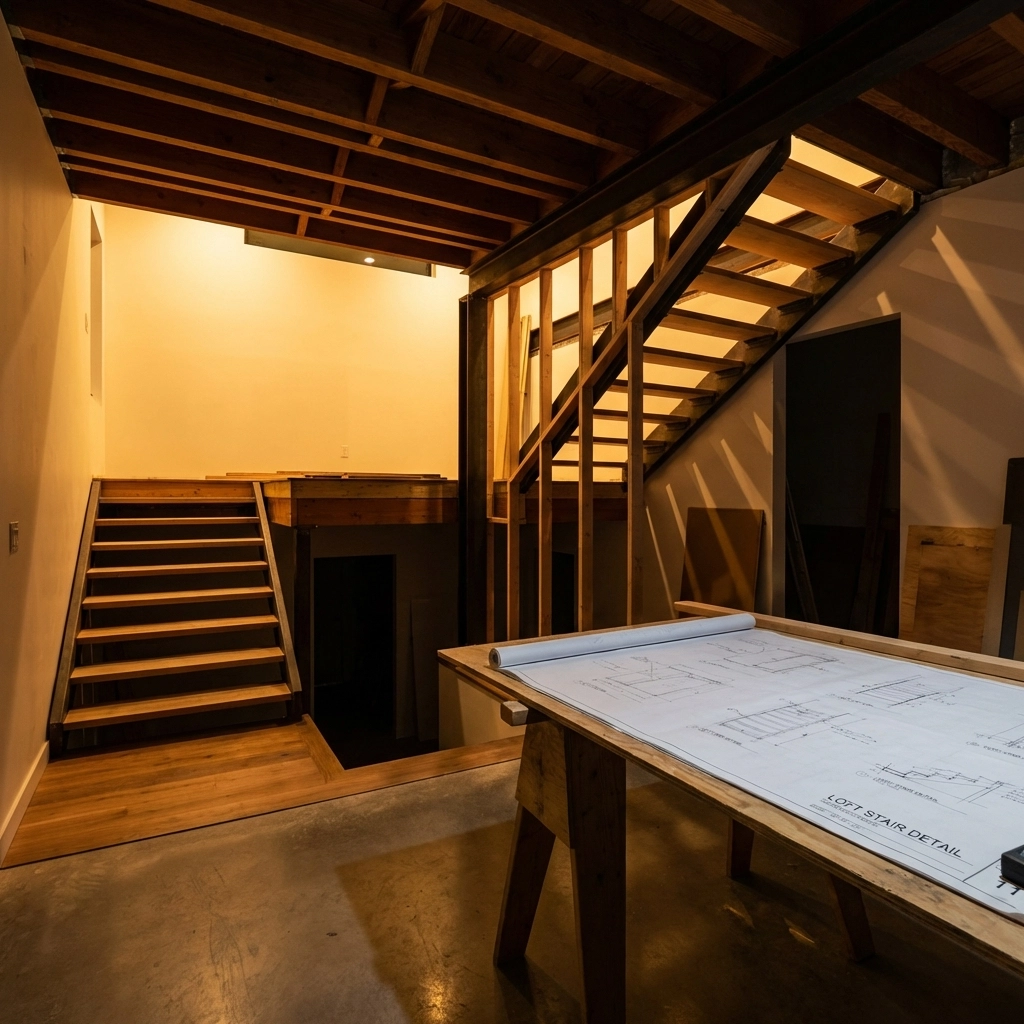
Building Regulations: The Non-Negotiable Requirements
While planning permission might not be required, you absolutely must comply with building regulations. These regulations exist to ensure safety, structural integrity, and proper fire escape provisions – all critical factors when creating access to a habitable space above your main living areas.
Building regulations specify strict requirements for loft conversion staircases that go far beyond simply providing a way to get upstairs. These regulations ensure safety through several key requirements:
Essential Staircase Specifications
Minimum Width Requirements: Your staircase must typically be at least 800mm wide. This ensures adequate space for people to use the stairs safely and allows for the movement of furniture and emergency access if needed.
Maximum Pitch Angle: For main staircases serving loft conversions, the pitch cannot exceed 42 degrees. This angle ensures the stairs are comfortable and safe to use regularly, particularly important when the loft becomes a frequently used living space.
Headroom Standards: You need a minimum of 2 metres of clear headroom above the staircase. This prevents people from hitting their heads while using the stairs and ensures comfortable, safe passage.
Handrail Specifications: Proper handrails must be installed according to building regulation standards, providing essential safety support for users.
Landing Spaces: Adequate landing spaces at the top and bottom of the staircase are required to ensure safe entry and exit.
Fire Safety Considerations
One of the most critical aspects of loft staircase installation involves fire escape capabilities. Your staircase must provide adequate fire escape routes with appropriate fire doors and protected routes. This isn't just about the stairs themselves – it encompasses the entire escape route from your new loft space to the outside of your property.
Building control officers will inspect and approve your staircase design and installation to ensure these safety standards are met. This process involves multiple inspections at different stages of construction to verify compliance with all relevant regulations.
Important Exceptions to Consider
While most loft staircases don't require planning permission, there are notable exceptions that you should be aware of before proceeding with your project.
Listed Buildings
Listed buildings require listed building consent for any alterations, including internal staircases. If your property is listed, you'll need to apply for consent before making any changes, regardless of how minor they might seem. The listing protection extends to the building's interior, and installing a new staircase could potentially affect the property's historic character.
Structural Changes and Party Walls
If installing your staircase requires structural changes affecting external walls, you may need to consider planning implications. More importantly, if you live in a terraced or semi-detached property, party wall agreements may be necessary if your staircase installation affects shared walls or structures.
Party wall agreements are legal requirements designed to protect both your interests and your neighbors'. These formal agreements must be arranged before work begins and can add time and cost to your project if not planned properly.
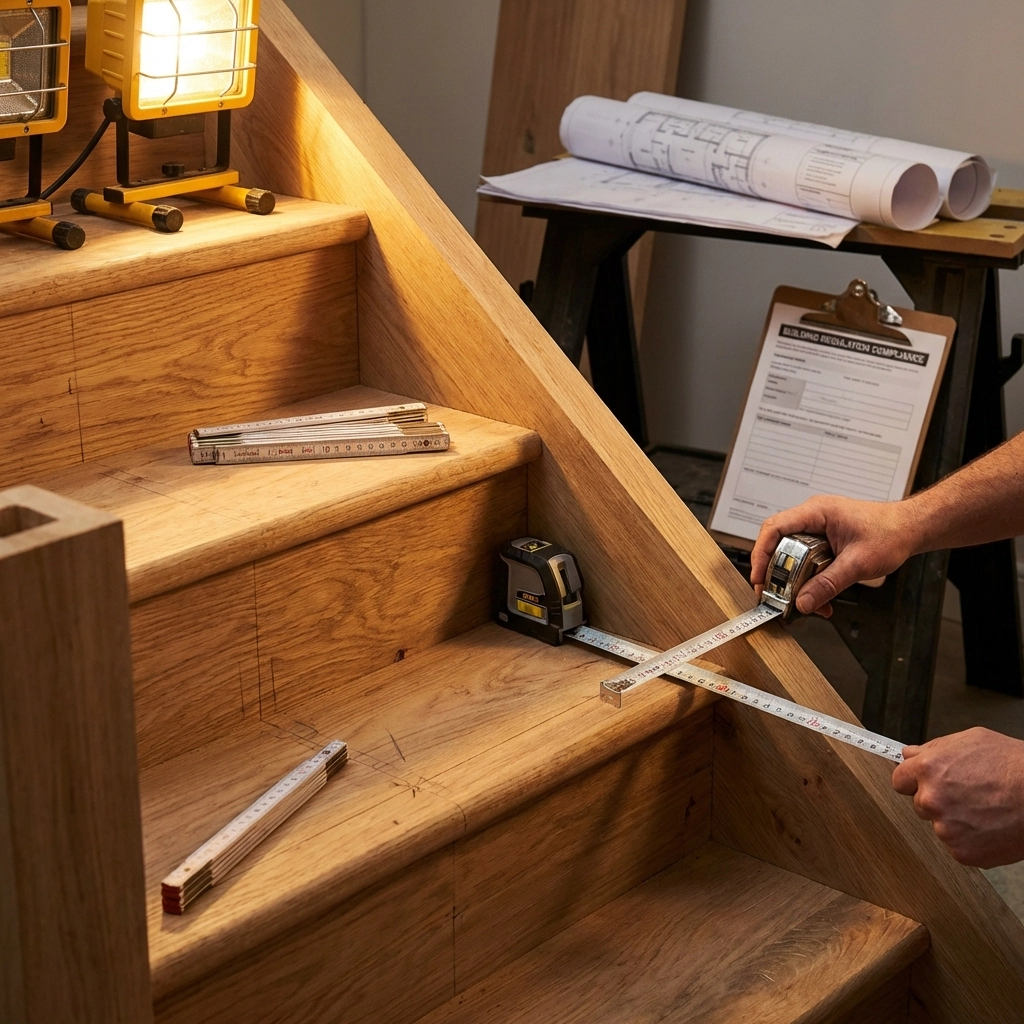
The Impact on Your Home's Layout
The staircase location and design significantly impact your home's layout and existing room functionality. This is why careful planning is essential, even when planning permission isn't required. Poor staircase placement can disrupt the flow of your existing living spaces and create awkward, unusable areas.
Consider how the staircase will affect:
- Traffic flow through existing rooms
- Natural light distribution
- Available storage space
- Furniture placement in adjacent rooms
- Overall aesthetic harmony with your home's existing design
Working with Building Control
Building control approval is a separate process from planning permission, and it's mandatory for loft staircase installations. This process involves submitting detailed plans showing your proposed staircase design, structural calculations if required, and fire safety provisions.
The building control process typically includes several inspection stages:
- Initial plan review and approval
- Structural work inspection (if applicable)
- Staircase installation inspection
- Final completion inspection
Each stage must be passed before you can proceed to the next phase of work. This systematic approach ensures your staircase meets all safety and structural requirements.
Professional Design and Installation Benefits
At Swanbourne Construction Ltd, we design staircases that meet all building regulations while optimizing space usage and complementing your home's existing layout. Our experience with loft conversions means we understand the complexities involved in creating safe, functional, and attractive staircase solutions.
We handle all necessary building control submissions and inspections throughout your loft conversion project, ensuring compliance while minimizing delays and complications. Our team's expertise helps identify potential issues early in the design process, preventing costly modifications later.
Cost Implications and Timeline Considerations
While avoiding planning permission saves time and money, don't underestimate the costs associated with building regulation compliance. Properly designed and installed staircases require quality materials, skilled craftsmanship, and professional oversight to meet safety standards.
The building control process typically adds several weeks to your project timeline, but this time investment is crucial for ensuring your staircase is safe and legal. Attempting to shortcut these requirements can lead to serious safety issues and costly remedial work later.
Making the Right Decision for Your Project
Understanding the regulations surrounding loft staircase installation helps you make informed decisions about your conversion project. While the absence of planning permission requirements simplifies the process, the building regulation requirements ensure your new staircase will be safe, functional, and legally compliant.
Every property is different, and the specific requirements for your staircase will depend on your home's layout, structure, and intended use for the loft space. Professional assessment early in the planning process can identify any unique challenges or opportunities specific to your property.
The key to a successful loft staircase installation lies in understanding these requirements from the outset and working with experienced professionals who can navigate the regulations while creating a solution that enhances your home's functionality and value.
Whether you're planning a simple loft storage access or a full conversion to create additional living space, getting the staircase right is fundamental to the success of your project. The investment in proper design and installation pays dividends in safety, functionality, and long-term value.