If you are planning a home improvement project in West Sussex: whether it’s a sleek kitchen extension in Chichester or a light-filled loft conversion in Arundel: you have likely heard the term Building Regulations. Often whispered in the same breath as "Planning Permission," these regulations are frequently misunderstood, yet they are the most critical factor in ensuring your home remains safe, legal, and energy-efficient.
At Swanbourne Construction Ltd, we believe that transparency is the foundation of any successful build. While Planning Permission deals with how your project looks and how it impacts your neighbours, Building Regulations (or "Building Control") are concerned with how the building is actually constructed. It is the difference between a house that looks good on paper and a house that stands the test of time.
In this guide, we will break down everything you need to know about navigating the regulatory landscape in West Sussex, specifically focusing on our local authorities like Arun District Council and Chichester District Council.
1. Planning Permission vs. Building Regulations: The Vital Distinction
It is a common misconception that once you have Planning Permission, you are ready to start digging. In reality, these are two entirely separate hurdles.
Planning Permission focuses on the aesthetics, the footprint, and the "right to build" in a specific location. Building Regulations, however, are a set of mandatory national standards applied to nearly all new building work, alterations, and even some repairs.
Why does this matter to you?
Because you can have permission to build a three-storey extension, but if your structural calculations are wrong or your fire escape routes are non-compliant, Building Control will stop the project in its tracks. At Swanbourne Construction, we manage this intersection daily, ensuring that the "dream" approved by planners is technically "achievable" under building law.

2. The Three Pillars of Compliance: Parts A, B, and L
While the Building Regulations manual is several inches thick, most domestic projects in West Sussex focus on three primary areas. Understanding these will help you visualize why your builder or architect insists on specific (and sometimes expensive) materials.
Part A – Structural Integrity
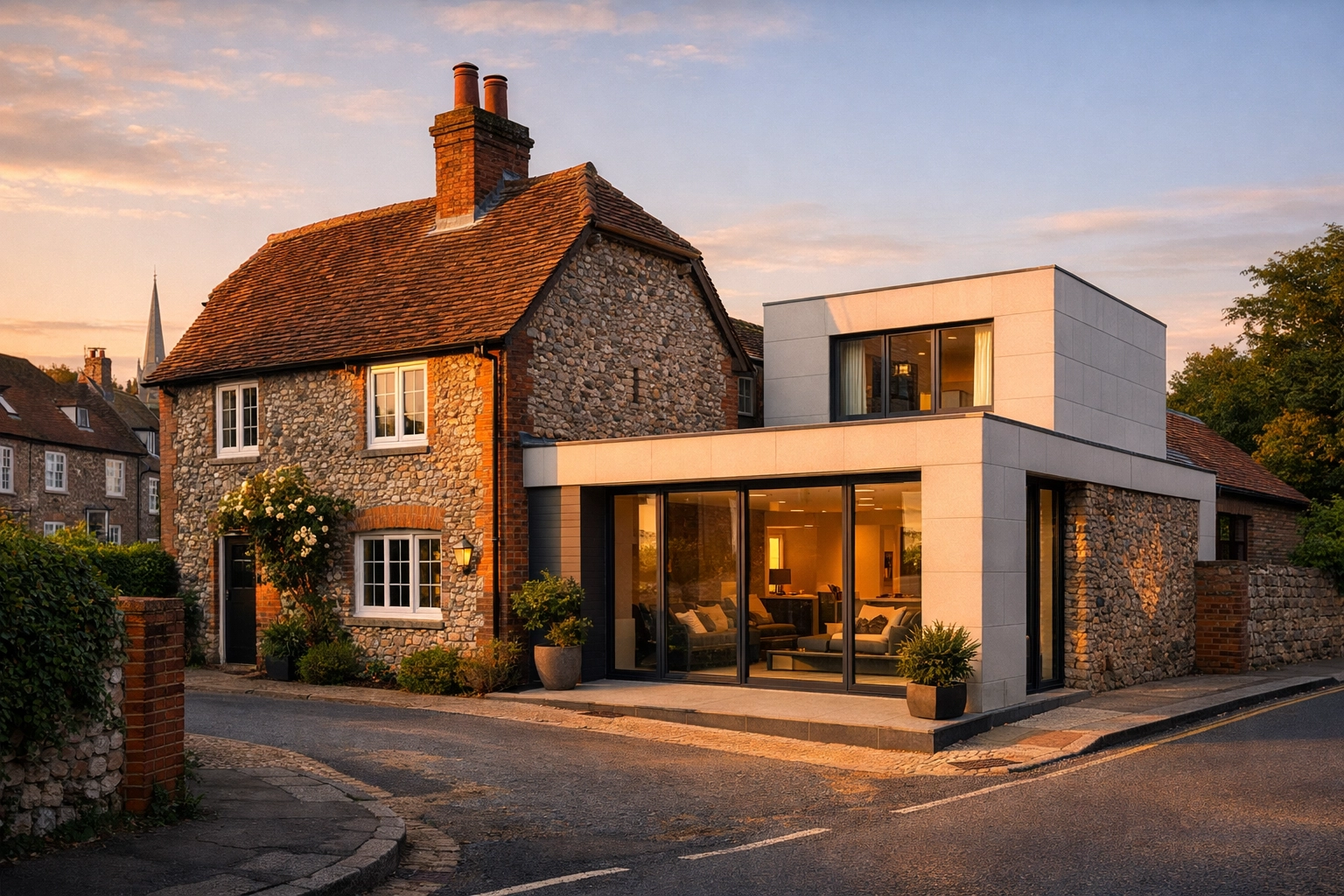
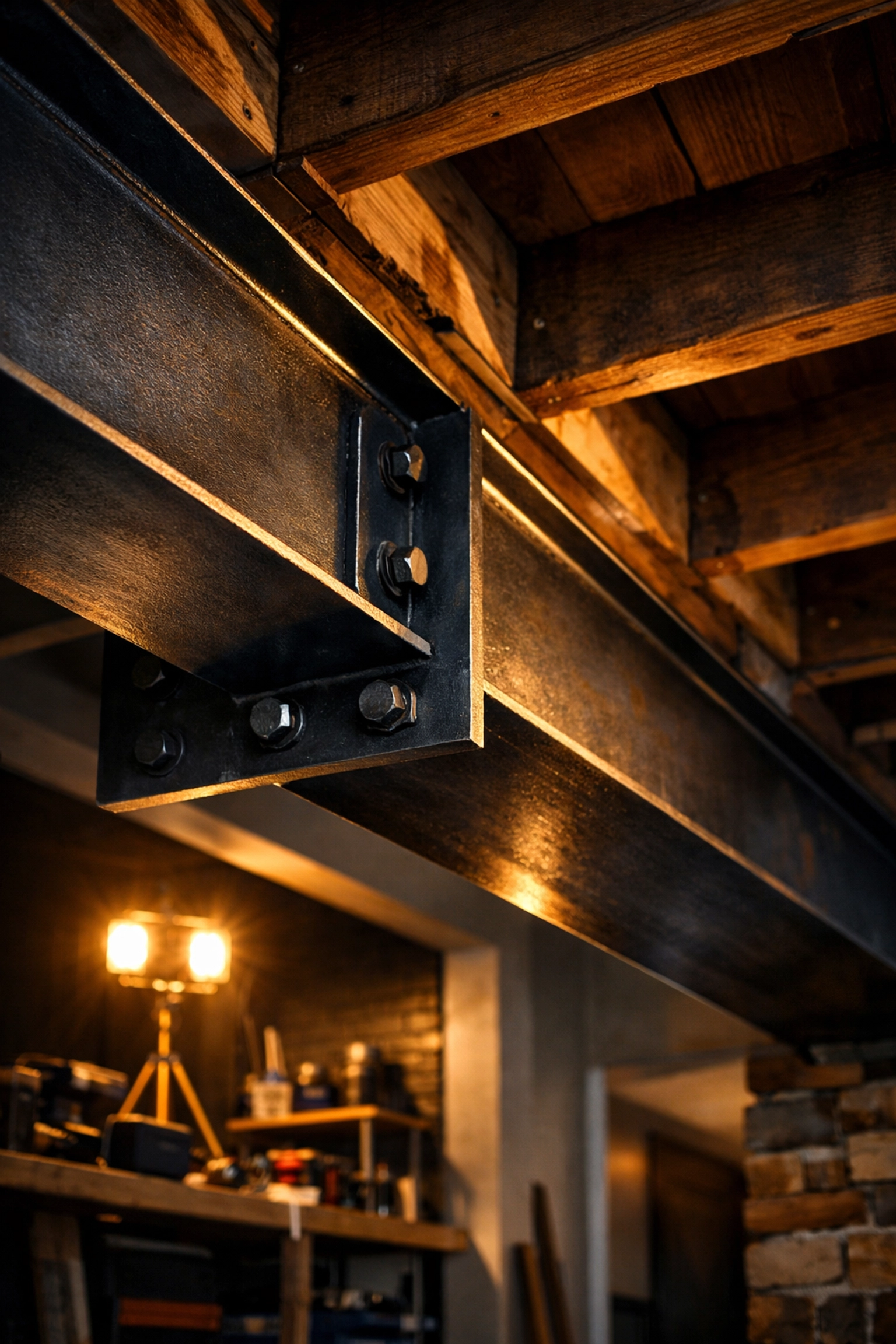
This is the "physics" of your home. If you are removing a load-bearing wall to create an open-plan kitchen, Part A dictates the size and type of steel beam (RSJ) required. It covers foundations, floor loads, and roof structures. In coastal areas like Bognor Regis, we pay particular attention to wind loading and ground conditions, ensuring your house extension is anchored safely.
Part B – Fire Safety
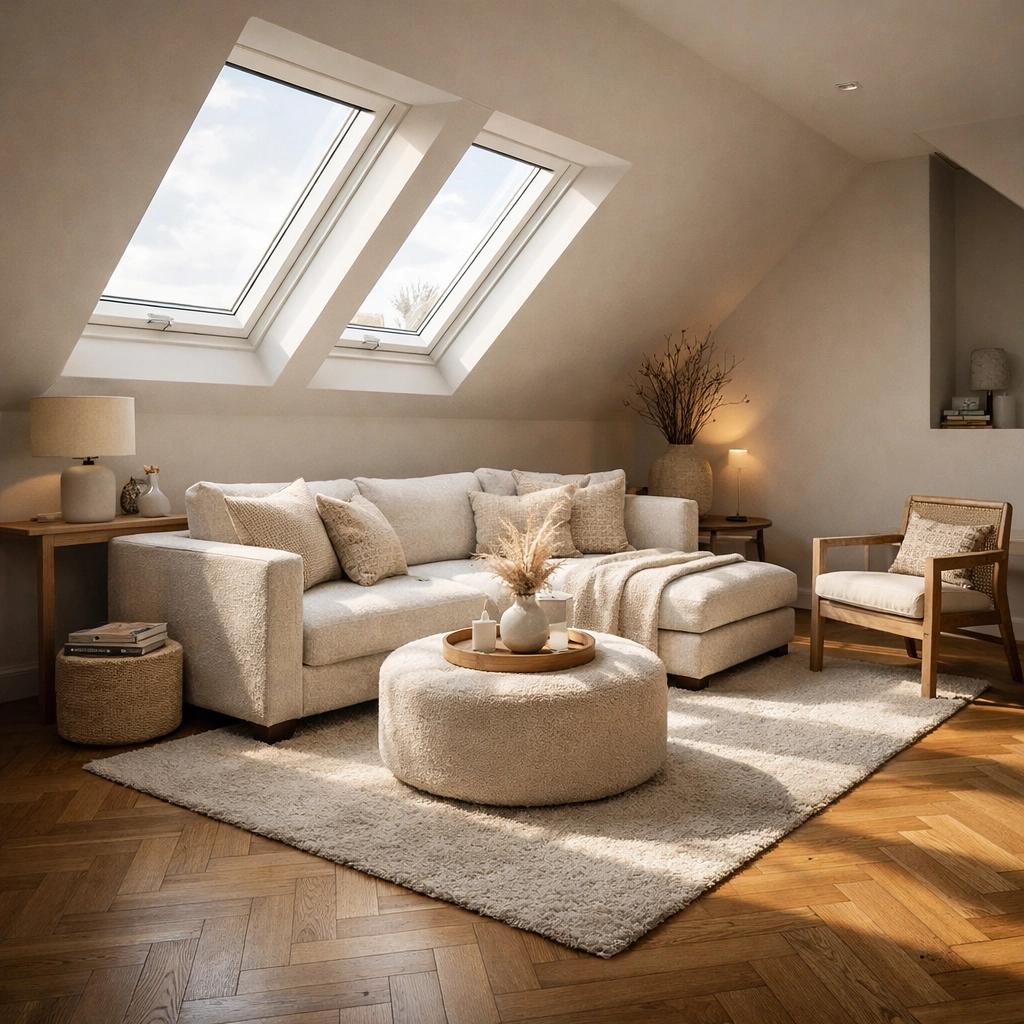
Fire safety is non-negotiable, especially for loft conversions. Regulations require fire-resistant doors, mains-powered interlinked smoke alarms on every floor, and "protected escape routes." If you are converting a loft in a terraced house in Chichester, for instance, we must ensure that the new staircase provides a safe exit path to the outside world, often requiring fire-rated plasterboard throughout the stairwell.
Part L – Conservation of Fuel and Power
With energy prices rising and environmental concerns at the forefront, Part L has become increasingly strict. This regulation sets "U-values": a measure of heat loss through walls, roofs, and windows. To comply, your new extension must be highly insulated. We work closely with suppliers to source materials that exceed these standards, turning your extension into a year-round living space rather than a "glorified conservatory" that is too cold in winter.
3. Navigating Local Authorities: Arun and Chichester
In West Sussex, the enforcement of these rules falls to your local council’s Building Control department. While the regulations are national, the way you interact with the authorities can vary.
- Arun District Council: Covering areas like Arundel, Bognor Regis, and our home base in Westergate, Arun’s building control team is known for being thorough. They provide a vital safety net for homeowners.
- Chichester District Council: For projects within the city or the surrounding villages, Chichester’s team handles everything from heritage property refurbishments to modern extensions in Chichester.
Swanbourne Construction Ltd acts as your liaison. We handle the submission of plans, pay the necessary fees on your behalf (which are then reconciled in your project cost), and schedule the inspections so you don't have to spend your morning on hold with the council.
4. Full Plans vs. Building Notice: Which Path is Right?
When you decide to move forward, you have two main routes for seeking approval.
The Full Plans Application (Recommended)
This is the gold standard for projects like loft conversions in Arundel. You submit detailed architectural drawings and structural calculations to the council before work begins. The council checks these and issues a formal "Approval."
- The Benefit: You have total peace of mind. Because the plans are pre-approved, you know that as long as we build to the drawings, the work is legal. It eliminates the risk of an inspector asking for changes halfway through the build.
The Building Notice
This is a faster route, typically used for smaller, simpler internal works. You give the council 48 hours' notice that you are starting. There are no pre-approved plans; instead, the inspector visits the site and approves the work as it progresses.
- The Risk: While faster, it carries more risk. If an inspector decides a beam isn't sufficient after it's been installed, it must be replaced, leading to delays and extra costs. We generally advise our clients toward the Full Plans route for anything structural.
5. The Inspection Process: What Happens on Site?
Once the "spade is in the ground," the building inspector will visit at key stages. These are not "gotcha" moments; they are quality control checks designed to protect you. Typical inspection stages include:
- Foundations/Excavations: To check the ground is suitable and the depth is correct.
- Damp Proof Course (DPC): Ensuring no moisture will rise through your walls.
- Drainage: Checking that new plumbing is laid correctly before it's covered up.
- Structural Members: Inspecting steel beams or roof timbers before they are plastered over.
- Completion: The final walkthrough to ensure fire safety, ventilation, and insulation are all present and correct.
6. The Holy Grail: The Completion Certificate
At the end of your project, once the final inspection is passed, the local authority issues a Completion Certificate.
Do not lose this document.
This certificate is the legal proof that your previous projects were built to code. If you ever decide to sell your home or remortgage, the solicitor will ask for this. Without it, the "value" added by your extension can vanish, as buyers will be wary of illegal or unsafe work. If you've lost track of your requirements, you can always check our FAQ page for guidance on documentation.
7. How Swanbourne Construction Handles the Bureaucracy
We know that for most homeowners, the idea of dealing with council inspectors and technical manuals is daunting. That is why we offer a turnkey service.
When you partner with us for a loft conversion in Bognor Regis or a renovation, we take the lead on:
- Engaging Structural Engineers: We ensure the math is right before the first brick is laid.
- Submitting Applications: We manage the portal submissions to Arun or Chichester District Councils.
- On-Site Coordination: We are there when the inspector visits, answering their technical questions and demonstrating our compliance.
- Final Certification: We chase the paperwork so you can simply enjoy your new space.
Building Regulations shouldn't be a source of stress; they should be your guarantee of quality. By adhering strictly to these standards, we ensure that your investment is protected and your family is safe.
Ready to build something extraordinary?
Navigating Building Regulations is just one part of the journey toward your dream home. Whether you are at the "just thinking about it" stage or have a full set of plans ready to go, we are here to provide the local expertise you need.
Let’s talk about your vision. You can contact us here to schedule a consultation. From the first structural calculation to the final completion certificate, Swanbourne Construction Ltd is with you every step of the way, ensuring your West Sussex home is built to last.