
If you have ever spent a weekend walking through the historic streets of Arundel or admiring the Victorian architecture in Chichester, you know that West Sussex is home to some truly stunning properties. There is a unique joy in taking an older house: perhaps a bit tired and dated: and breathing new life into it through a high-quality renovation. However, as any homeowner who has ever picked up a sledgehammer can tell you, what lies behind the plasterboard is often a very different story from the polished "after" photos you see on Instagram.
At Swanbourne Construction Ltd, we have spent years transforming homes across the region, from Westergate to Bognor Regis. We have seen it all: the good, the bad, and the "how is this building still standing?" The reality of a home renovation in West Sussex is that surprises are almost guaranteed. But here is the secret: a problem is only a disaster if you aren't prepared for it.
In this guide, I want to take you through the most common "hidden" problems we encounter during renovations and, more importantly, how we identify and solve them before they derail your dream home project.
1. The Invisible Enemy: Damp and Structural Rot
In our part of the country, damp is perhaps the most frequent guest at the renovation party: and the most unwelcome one. Many of the older properties in West Sussex were built using traditional materials that need to "breathe," but decades of modern "fixes" (like non-porous cement renders or internal tanking) have trapped moisture inside the walls.
Identifying the issue early:
Before we even think about the finishing touches, we look for the tell-tale signs. It isn't just about a damp patch on a wall. We look for "tide marks" on skirting boards, a musty lingering scent, or floorboards that feel slightly springy underfoot. Structural rot, particularly dry rot or wet rot, often hides in the dark, unventilated spaces beneath floors or inside roof voids.
The Swanbourne Solution:
We don't just paint over the problem. If we find rot in the joists, we strip back the affected timber and treat the area with professional-grade fungicides, or replace the structural members entirely if they are compromised. To solve damp, we look for the root cause: be it a breached damp-proof course, blocked air bricks, or leaking guttering. By addressing the source of the moisture first, we ensure your beautiful new interior stays dry for decades to come.

2. The Danger Under the Plaster: Outdated Wiring
If your home hasn't seen a major update since the 1970s (or earlier), your electrical system is likely struggling to keep up with modern life. Back then, we didn't have high-powered induction hobs, electric vehicle chargers, and a dozen smart devices in every room.
Relatable risks:
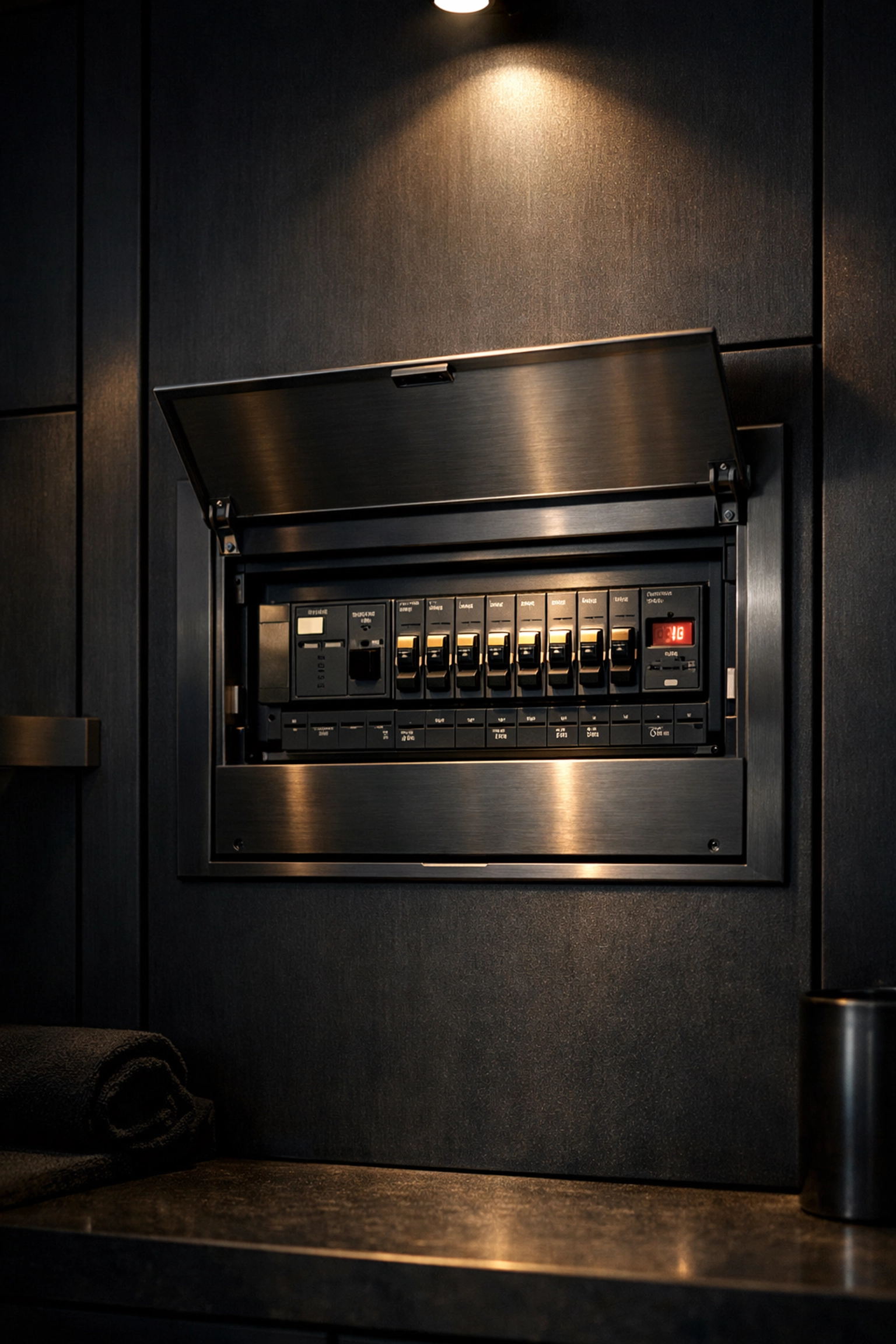
Old wiring isn't just a nuisance; it’s a genuine fire hazard. We often find "rat’s nest" wiring behind walls: messy, unlabelled, and sometimes still using old lead or rubber-insulated cables that have become brittle over time. If your fuse box (consumer unit) looks like something out of a museum, it probably lacks the modern RCD (Residual Current Device) protection required to keep your family safe.
How we fix it:
When we take on a house extension in West Sussex, we factor in a full or partial rewire from the start. We work with certified electricians to install modern consumer units and ensure every circuit is tested and certified to current UK Building Regulations. This doesn't just make your home safer; it adds significant value when it comes time to sell, as you'll have all the necessary safety certificates in hand.
3. Structural "Surprises" and Previous Bodge Jobs
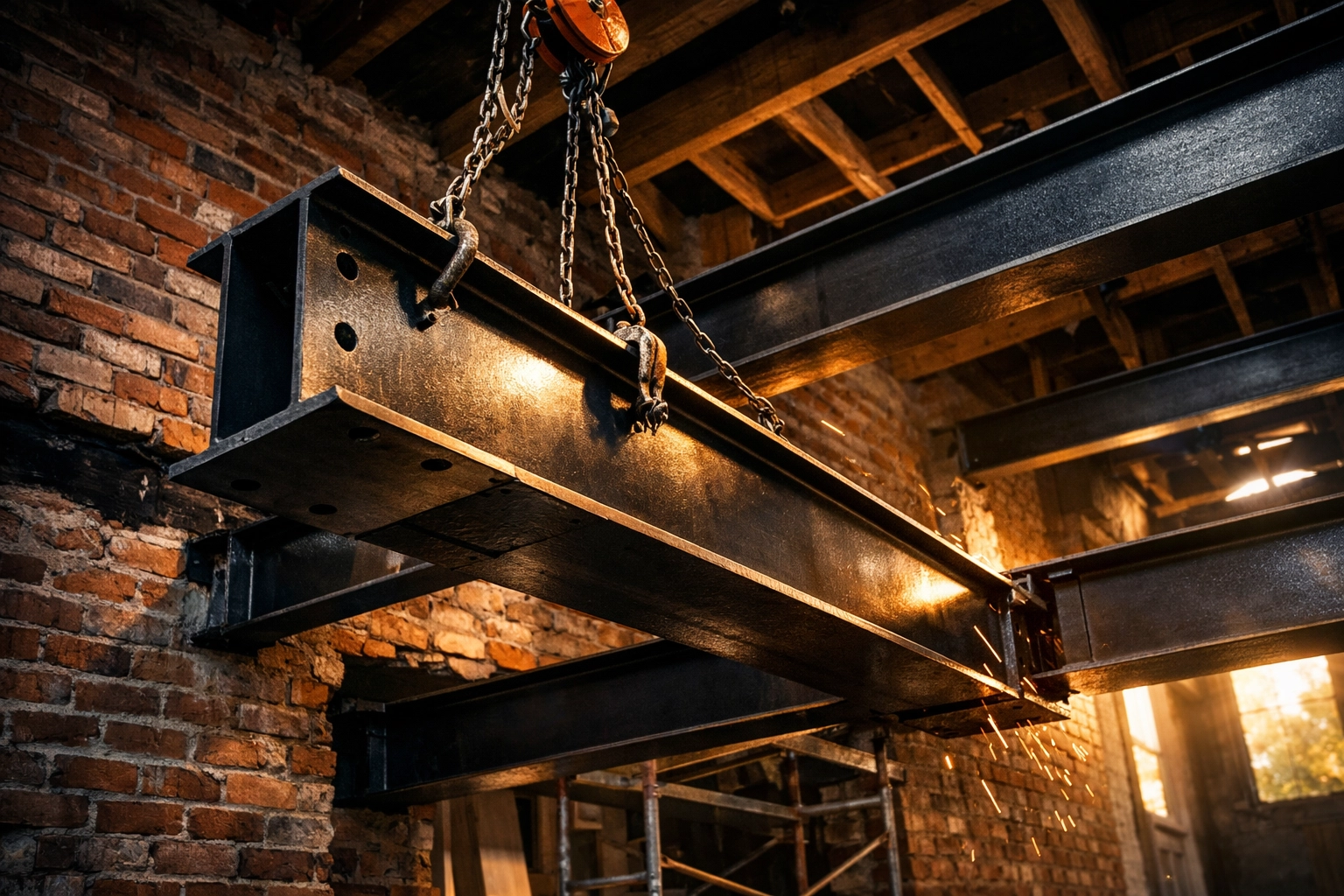
One of the biggest challenges we face as professional builders is fixing the DIY mistakes of previous owners. We’ve seen load-bearing walls removed without proper steel supports (RSJs), and "creative" plumbing that defies the laws of gravity.
The "What’s holding this up?" moment:
During the demolition phase of a renovation, we often find that a previous renovation was done on the cheap. Perhaps a chimney breast was removed but the masonry above wasn't properly supported, or a loft conversion was carried out without reinforcing the floor joists.
The Professional approach:
At Swanbourne Construction Ltd, we involve structural engineers early in the process. If we suspect a wall is load-bearing, we don't guess: we verify. When we find a "bodge," we stop, assess, and provide a structural solution that meets building control standards. It might mean a bit of extra steelwork, but the peace of mind knowing your house is structurally sound is priceless.
4. Lead Pipes and Corroded Plumbing
Just like wiring, plumbing systems have a shelf life. Many homes in areas like Chichester still have original galvanized steel or even lead piping hidden away. Over time, these pipes corrode from the inside out, leading to low water pressure, discoloured water, and eventually, catastrophic leaks.
Spotting the signs:
During the initial site survey, we check the water pressure and look at any visible pipework in the cellar or attic. If we see mismatched pipes (a bit of copper here, a bit of plastic there, and some old lead in between), it’s a red flag that the system is a patchwork of old repairs.
Our fix:
When renovating a kitchen or bathroom, we often recommend "re-plumbing" back to the main stack. Replacing old pipes with modern, high-grade plastic or copper systems ensures better pressure for your showers and removes the risk of a hidden leak ruining your new flooring. It’s an investment in the "bones" of the house that pays off in the long run.
5. The Budget Trap: Hidden Costs and Poor Sequencing
Perhaps the most common "problem" isn't physical at all: it's the budget. Many homeowners start a renovation with a figure in mind, only to see it swallowed up by the issues mentioned above.
The importance of sequencing:
We often see people buying expensive Italian tiles or a designer kitchen before they have checked if the floor is level or the walls are straight. Doing things in the wrong order: like plastering before the first-fix electrics are finished: leads to "double handling" and wasted money.
How we manage your investment:
We always advise our clients to maintain a 15-20% contingency fund. This isn't because we plan to spend it, but because in the world of home renovation in West Sussex, you have to expect the unexpected. We also provide a detailed "Scope of Works." This document outlines exactly what happens and when, ensuring that we don't put the "lipstick on the pig" until the underlying structure is perfect.
Why Local Expertise Matters
Choosing a local builder who understands the specific housing stock in West Sussex is crucial. A Victorian terrace in Bognor Regis faces different environmental challenges (like salt air and coastal wind) than a flint-walled cottage in the South Downs.
At Swanbourne Construction Ltd, we don't just see ourselves as builders; we see ourselves as your partners in this journey. We know that a renovation is a huge emotional and financial commitment. That’s why we focus on early identification. By spotting that patch of rot or that outdated fuse box during our first walkthrough, we can build the fix into your quote and your timeline, rather than surprising you with it halfway through the build.
Are you ready to start your renovation journey?
The key to a successful renovation isn't avoiding problems: it’s having a team that knows how to solve them. Whether you are looking at loft conversions in Chichester or a full-scale renovation in Arundel, we are here to help you navigate the process with transparency and professional skill.
Renovating your home should be an exciting transformation, not a source of constant stress. By addressing the "invisible" issues of damp, wiring, and structure first, we create a solid foundation for the beautiful, functional home you’ve always wanted.
Want to discuss your upcoming project?
Take a look at our previous projects to see how we have transformed homes across West Sussex, or contact us today for a consultation. Let’s make sure your renovation is remembered for its stunning finish, not its hidden surprises.

Quick Tips for Homeowners:
- Always check the loft: Most structural and roofing issues are visible from the inside of the attic before they show up on the outside.
- Check your "Stopcock": Make sure you know where your main water shut-off is before any work begins!
- Ask for certificates: Any electrical or gas work must be accompanied by the relevant safety certificates. If a builder tells you "you don't need them," that's your cue to find a new builder.
- Listen to your house: Creaks, damp smells, and flickering lights are your home's way of telling you it needs some professional TLC.
Your home is likely your biggest asset. Let’s work together to make sure it’s safe, sound, and spectacular. For more information on our services, visit our homepage or check out our FAQ page for answers to common construction questions.