
Walking through the winding streets of the Chichester Pallants or looking up at the historic skyline of Arundel, it’s easy to see why homeowners fall in love with West Sussex. There is a sense of timelessness here, a preserved beauty that makes our corner of the world truly special. However, for the homeowner looking to modernise, extend, or simply repair a property within these zones, that beauty can quickly feel like a golden cage.
If you own a home in one of the 85 conservation areas across the Chichester District, you’ve likely heard the horror stories. You might believe that "you can't change a single brick" or that "the council will never let you extend." At Swanbourne Construction Ltd, we’ve spent over 20 years navigating the delicate balance between historic preservation and modern luxury.
The truth? The "secrets" to a successful renovation aren't actually hidden in a vault; they are found in understanding the nuances of local policy and knowing how to speak the language of the Planning Department.
The Myth of the "No"
Many homeowners are deterred from even starting a project because they assume the answer from the local authority will be a resounding "No." In reality, conservation area status is not a preservation order that freezes a building in time, it is a tool used to manage change.
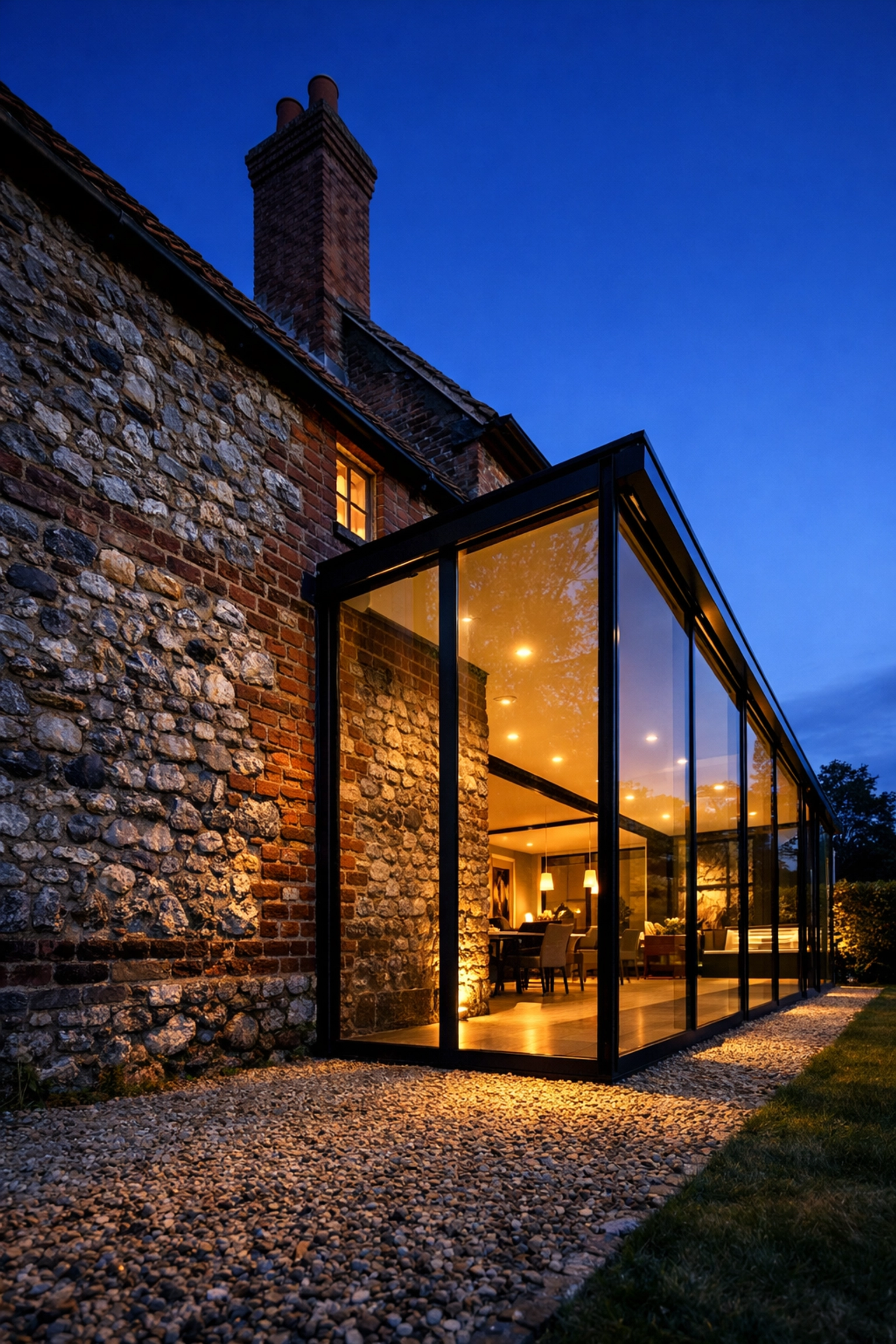
The secret that many consultants won't tell you is that high-quality, modern design is often more welcomed than a "fake old" extension. Planning officers in Chichester and Arundel often prefer an extension that is clearly contemporary but uses sympathetic materials, rather than a pastiche of the original building that looks like a poor imitation.
Understanding Article 4 Directions
In many parts of Chichester, your "Permitted Development" rights, the things you can usually do without full planning permission, may have been restricted by something called an Article 4 Direction. This means you might need permission for things as simple as replacing a front door or changing the colour of your masonry. Before you pick up a paintbrush, check if your street falls under these rules. It’s a small step that saves thousands in potential fines and "reversal" costs.
Secret #1: The Power of Pre-Application Engagement
If you want to move the needle on a complex renovation, you must stop viewing the council as an adversary. The most successful projects we’ve managed at Swanbourne Construction Ltd have one thing in common: Pre-application advice.
Instead of submitting a full plan and hoping for the best, we engage with the Chichester District Council officers early. By showing them a vision and asking for their input on materials and scale, you turn them into stakeholders in your project. When they feel their expertise has been respected, they are far more likely to approve the final submission.
This is especially vital for extensions in Chichester, where the line between "too big" and "just right" is incredibly thin.
Secret #2: Timber Windows vs. The World
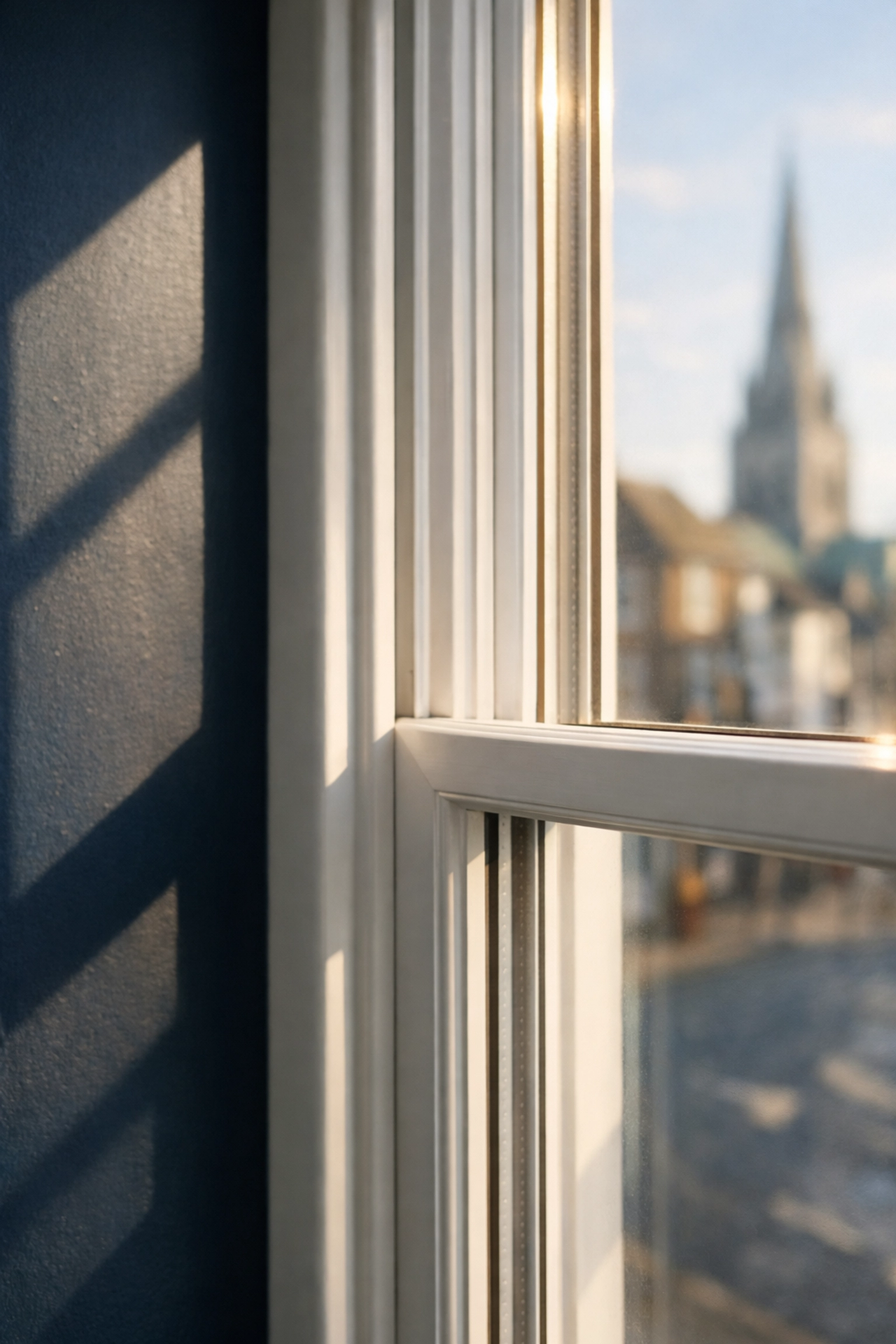
Windows are the "eyes" of a historic home, and in a conservation area, they are the most scrutinised feature. The "expert secret" here is that you don't necessarily have to settle for draughty, rattling single-pane glass just because you live in a 19th-century cottage.
While uPVC is almost universally banned in the historic cores of Arundel and Chichester, high-performance timber windows are the gold standard. In 2026, the technology behind vacuum glazing and slim-line double glazing has reached a point where we can match the profile of a 200-year-old sash window while providing the thermal efficiency of a modern build.
Why standard double glazing fails planning
The "glazing bar" is usually the sticking point. If the bars are too thick or are just "stuck on" inside the glass, the planning officer will spot it from the street. Investing in authentic, hand-crafted timber joinery isn't just about following rules; it’s about protecting the resale value of your property.
Secret #3: The "Hidden" ROI of Conservation Status
Renovating in a conservation area is undeniably more expensive. You’ll need specialized lime mortars instead of cement, handmade clay tiles instead of concrete, and skilled craftsmen who understand traditional flint work.
However, the secret that developers know is that conservation status acts as a price floor. Because the area is protected from over-development and "ugly" modernisations, your property exists in a bubble of scarcity. A well-executed renovation that respects the heritage of a home in Arundel or Chichester will almost always command a higher premium than a standard modern house of the same size.
When you hire builders in Arundel who understand these heritage requirements, you aren't just spending money on a renovation; you are investing in a blue-chip asset.
Navigating the Material Maze
Materials are where most DIY-led renovations in West Sussex fall apart. Standard builders’ merchants carry products designed for speed and cost-efficiency, not for historic integrity.
- Lime Mortar: Most homes built before 1900 in our area were designed to "breathe." If you use modern cement to repoint a historic wall, you trap moisture, which leads to damp and crumbling bricks. Using the correct lime mix is a non-negotiable "secret" to building longevity.
- Flint Work: Whether you are in Whyke or the heart of the South Downs, flint is a local signature. Matching the "knapping" and the mortar colour of existing flint work is an art form. We pride ourselves on our local network of artisans who keep these skills alive.
- Leadwork: On roofs and guttering, lead is often the only acceptable material. While expensive, its lifespan (often over 100 years) far outlasts modern flashings.
Energy Efficiency in 2026: The New Frontier
As we move through 2026, the pressure to make our homes "Green" has never been higher. But how do you install a heat pump or solar panels on a protected property?
The secret here is discretion.
- Solar PV: The council is becoming more lenient, provided the panels aren't visible from the "principal elevation" (the front of the house). We often suggest placing them on rear-facing roof slopes or even as part of a garden room structure.
- Insulation: You can’t just throw "pink wool" in the loft and call it a day. In historic homes, we look at breathable wood-fibre insulation or hemp-lime to ensure the structure stays healthy.
If you are considering a loft conversion in Chichester, this is the perfect time to address the entire thermal envelope of your home.
The Swanbourne Approach: 20 Years of Local Context
You don't just need a builder; you need a partner who knows the difference between the flint patterns of Bognor Regis and the brickwork of Chichester. At Swanbourne Construction Ltd, we don't just follow blueprints; we read the history of the building.
We understand that a renovation in a conservation area is an emotional journey. There will be moments of frustration with planning delays or the cost of specialized materials. Our role is to mitigate that stress by providing a transparent, expert-led process from the first consultation to the final snagging list.
Is it Worth the Hassle?
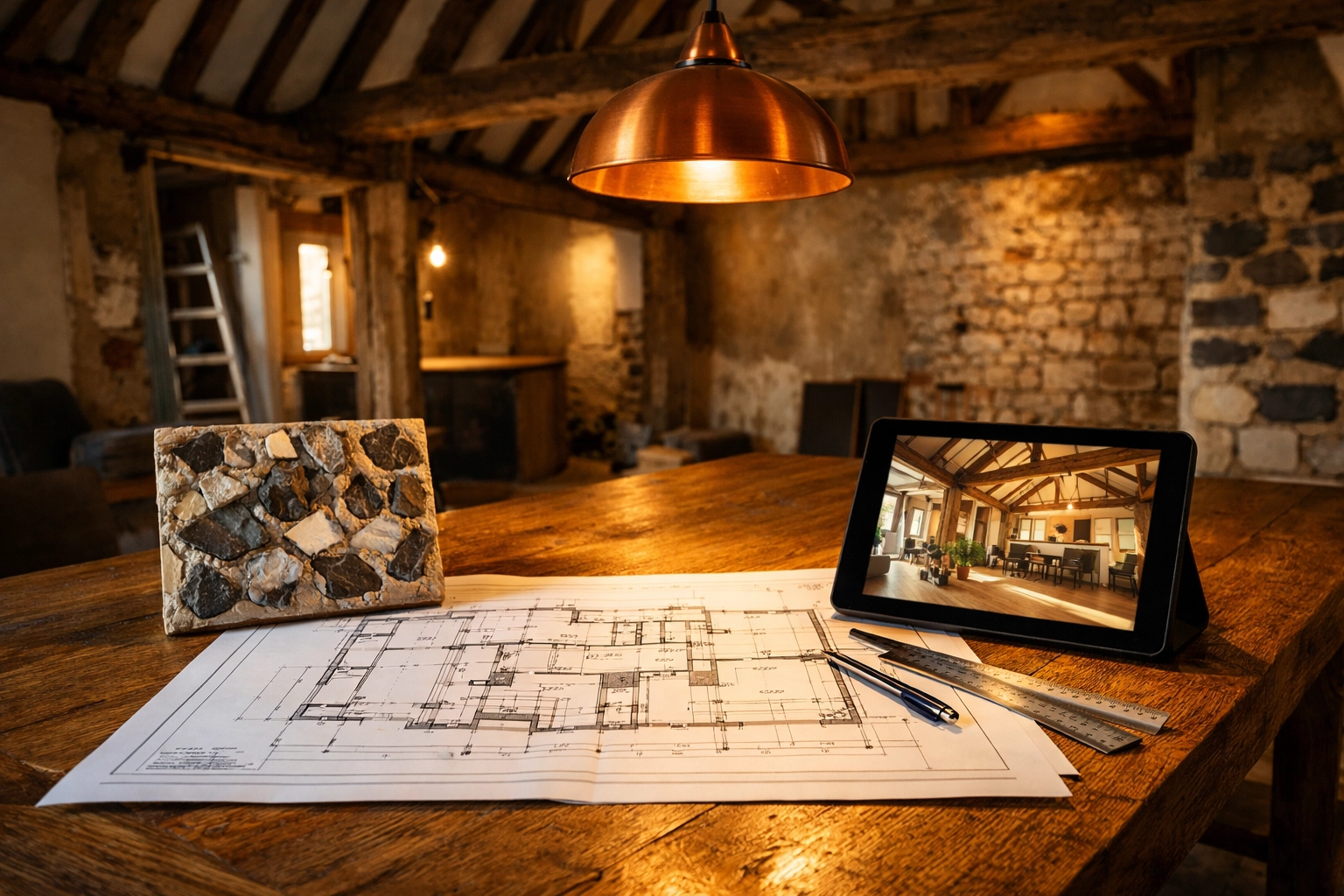
Whenever a client asks us if they should buy a "fixer-upper" in a conservation area, our answer is always the same: Yes, if you have the right team.
The homes in these areas are the soul of West Sussex. They offer character, ceiling heights, and "soul" that a new build simply cannot replicate. By following the "secrets" of early engagement, material integrity, and modern design, you aren't just renovating a house: you are becoming the next custodian of a piece of British history.
Your Next Steps
Are you dreaming of an orangery in Arundel? Or perhaps a master suite extension in the heart of Chichester? Don’t let the "Conservation Area" label scare you away from creating your dream home.
We invite you to explore our previous projects to see how we’ve transformed historic properties across West Sussex. Whether you are at the "just thinking about it" stage or you have a set of drawings ready to go, a conversation with an expert can save you months of trial and error.
Ready to unlock the potential of your historic home?
Contact us today for a casual, no-pressure consultation. Let’s talk about how we can make your renovation vision a reality while keeping the planning officers happy.
Next in our series: Coastal Home Maintenance – Managing Bognor’s sea air and exterior materials.