If you are a homeowner in West Sussex, the desire for more space is a common narrative. Whether you are overlooking the cathedral in Chichester, enjoying the coastal breeze in Bognor Regis, or nestled near the historic castle in Arundel, your home is likely your most significant asset. But as families grow and lifestyle needs evolve, that asset sometimes needs to grow with you.
The most frequent question we encounter at Swanbourne Construction Ltd is: "Do I actually need planning permission to extend my home?"
The answer is rarely a simple "yes" or "no," but rather a navigation through the nuances of UK planning law, local authority constraints, and the specific architecture of your property. Understanding the distinction between Planning Permission and Permitted Development is the first step in transforming your current house into your forever home.
Understanding Permitted Development: The 'Fast Track' to Extra Space
Many homeowners are surprised to learn that you can often bypass the full planning application process entirely. Under a suite of rules known as Permitted Development (PD) rights, the government allows certain types of minor improvements and extensions to be carried out without the need for a formal planning application.
For a house extension in West Sussex, these rights can be incredibly powerful. They are designed to simplify the process for standard projects that are unlikely to impact your neighbours or the local character negatively.
The General Rules of Thumb for Permitted Development
To qualify for PD, your extension must adhere to strict criteria regarding its size, height, and position. For example:
- Single-storey rear extensions: These cannot extend beyond the rear wall of the "original house" by more than four metres for a detached house, or three metres for any other house. (Note: Under "Larger Home Extension" rules, these limits can sometimes be increased to eight metres and six metres respectively, provided a prior notification process is followed).
- Height restrictions: The maximum height of a single-storey rear extension cannot exceed four metres. If the extension is within two metres of a boundary, the eaves height is restricted to three metres.
- Land usage: You cannot cover more than 50% of the total area of land around the "original house" with new additions or outbuildings.
- Materials: To qualify under PD, the materials used for the exterior must be of a similar appearance to those used on the existing house.
When Planning Permission is Mandatory: The West Sussex Context
While Permitted Development covers many bases, there are several scenarios where a full planning application is unavoidable. This is particularly relevant in our corner of the world, where heritage and landscape are fiercely protected.
1. Conservation Areas and AONBs
West Sussex is home to numerous Conservation Areas: from the historic core of Arundel to the Georgian streets of Chichester. If your property is located within one of these areas, or within the South Downs National Park, your PD rights are significantly "restricted" or "extinguished." In these cases, even a small extension often requires formal consent to ensure the local aesthetic is preserved.
2. Listed Buildings
If you are lucky enough to own a listed building, PD rights do not apply in the same way. Any extension, internal or external, will almost certainly require Listed Building Consent in addition to standard planning permission. This is a complex area where our expertise as a leading builder in Bognor Regis and surrounding areas becomes invaluable.
3. Article 4 Directions
Occasionally, local authorities like Arun District Council or Chichester District Council will issue an "Article 4 Direction." This effectively removes PD rights from a specific street or area to protect its character. We always recommend checking the local planning portal for any such directions before picking up a sledgehammer.
The Lawful Development Certificate: Your Legal Safeguard
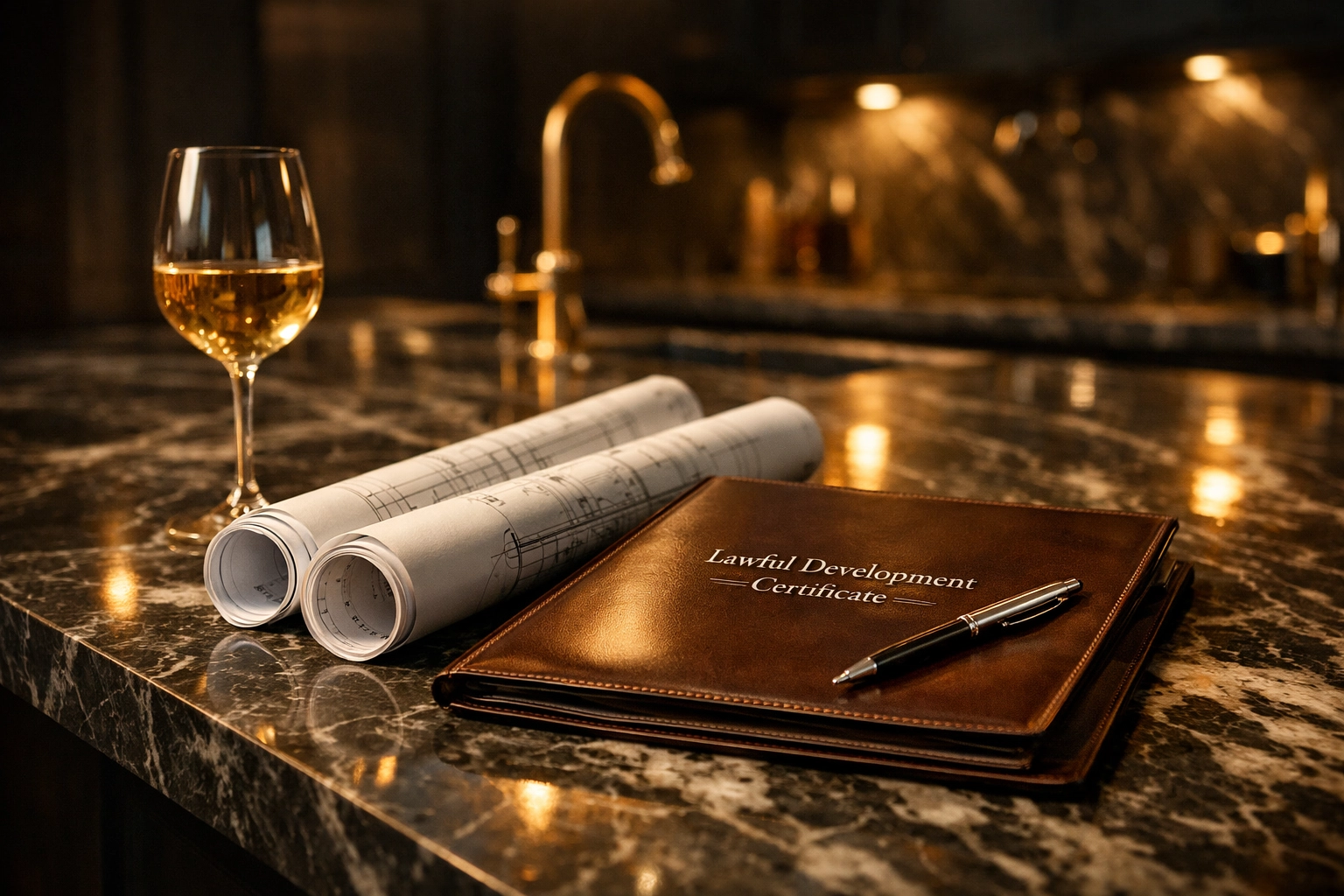
Even if your project falls squarely within Permitted Development, we strongly advise our clients to apply for a Lawful Development Certificate (LDC).
An LDC is a legal document issued by your local planning authority confirming that your proposed extension is lawful and does not require planning permission. While it is not a mandatory requirement to start building, it is an essential document when it comes to selling your property. Solicitors will invariably ask for proof that any extensions were built legally. Having an LDC in hand avoids stressful delays and potential "indemnity insurance" costs during a house sale.
The Cost of Moving vs. The Value of Extending
In the current market, the "don't move, improve" mantra has never been more relevant. When you factor in stamp duty, estate agent fees, legal costs, and the sheer disruption of moving, a well-executed house extension in West Sussex often represents a much higher return on investment.
Think about the life you have built in your current location. Perhaps you are in the perfect catchment area for schools in Chichester, or you have the perfect garden in Westergate. By extending, you retain the elements of your life you love while fixing the one thing that isn't working: the square footage.
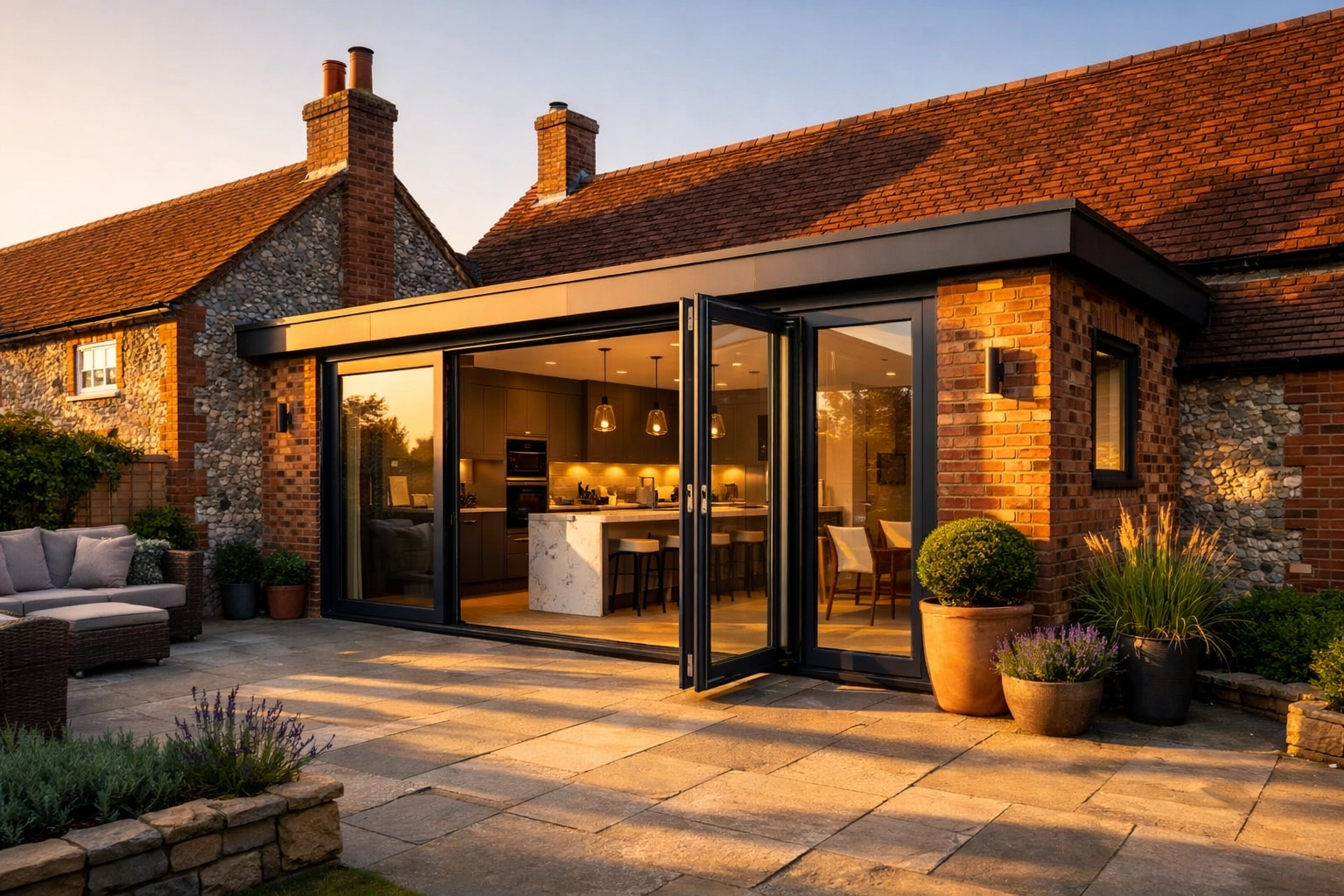
- Enhanced Quality of Life: A kitchen-diner that opens onto the garden can transform how your family interacts daily.
- Increased Property Value: Professionally built extensions typically add more value to a home than they cost to build, especially in high-demand areas like West Sussex.
- Future-Proofing: Adding a ground-floor bedroom or a dedicated home office ensures your home remains functional for decades to come.
How Swanbourne Construction Ltd Manages the Complexity
Navigating the legislative landscape can feel like a full-time job. At Swanbourne Construction Ltd, we view ourselves as your partner in this journey, not just your builder. Our role is to bridge the gap between your vision and the council’s regulations.
- Initial Consultation: We begin by assessing your property’s planning history and its location within local zones (Conservation, AONB, etc.).
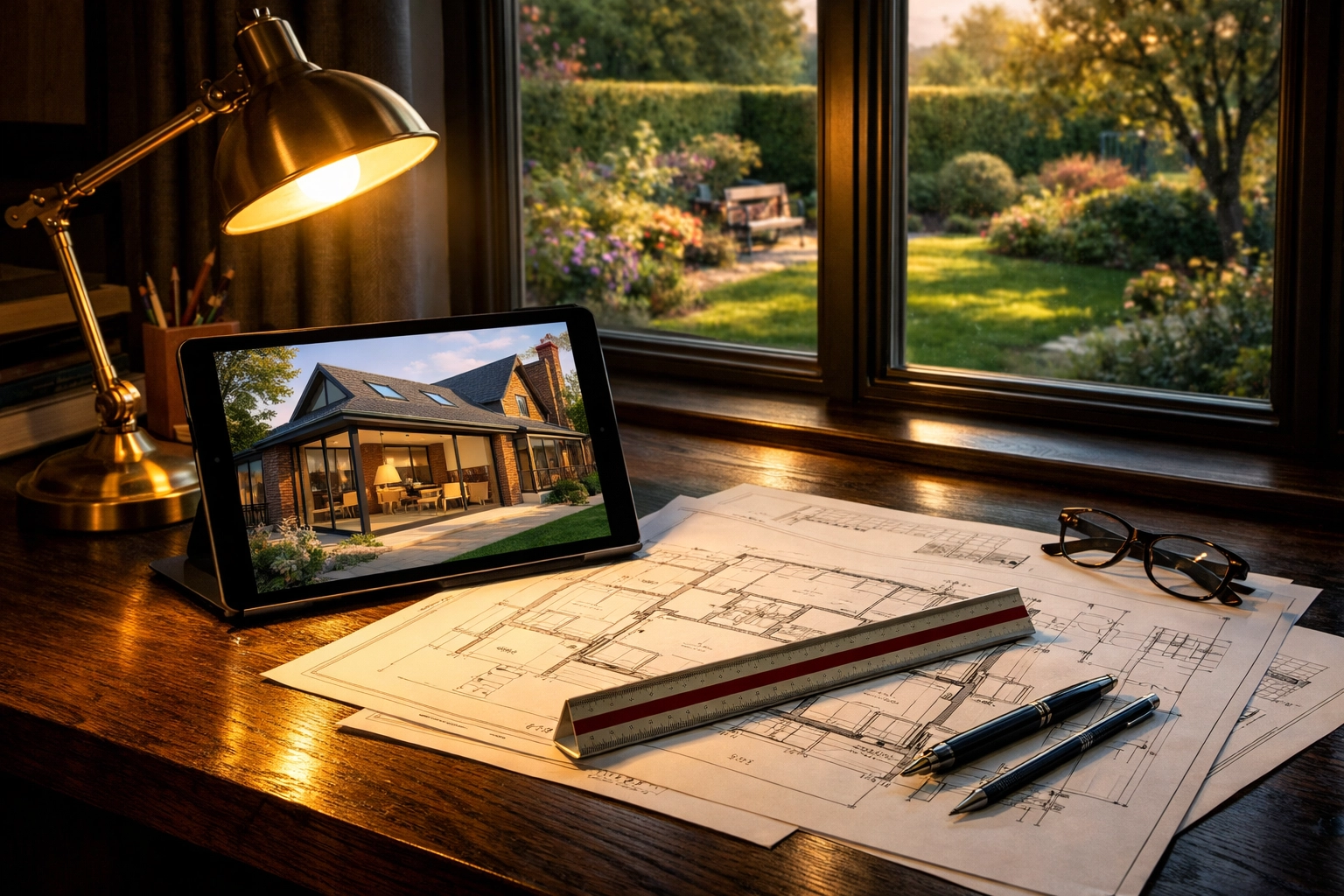
- Design and Feasibility: We work with skilled architects who understand how to maximise space under PD rights, saving you time and the cost of a full planning application.
- Liaison with Authorities: We can manage the submission of Lawful Development Certificates or Full Planning Applications on your behalf, ensuring all technical drawings and design statements meet the exacting standards of West Sussex planners.
- Building Regulations: Regardless of planning permission, every extension must meet Building Regulations. We handle all inspections and certifications, ensuring your new space is safe, energy-efficient, and fully compliant.
Whether you are looking for builders in Westergate or a specialist for loft conversions in Arundel, our team brings a professional, expert approach to every project.
Key Differences At A Glance
| Feature | Permitted Development | Planning Permission |
|---|---|---|
| Speed | Generally faster; no 8-week wait for a decision. | Typically takes 8–12 weeks for a decision. |
| Certainty | Guaranteed if you follow the strict rules. | Subject to council discretion and neighbour objections. |
| Flexibility | Limited by strict size and height constraints. | Offers more creative freedom in design and scale. |
| Location | Restricted in Conservation Areas and AONBs. | Required for almost all work in protected areas. |
Your Next Steps: From Vision to Reality
Determining whether you need planning permission is the foundational step of your project. It dictates your timeline, your budget, and ultimately, the design of your new space. While the rules may seem daunting, they are there to ensure that West Sussex remains a beautiful place to live: and with the right guidance, they don't have to be a barrier to your dream home.
Are you ready to stop wondering "what if" and start seeing your home's true potential? Whether you are in the early stages of dreaming or you have plans ready to go, we are here to provide the expert oversight your project deserves.
Discover the possibilities for your property.
Explore our previous projects to see how we’ve transformed homes across West Sussex, or visit our FAQ page for more technical insights.
If you’re ready to discuss your specific needs with a professional builder in Bognor Regis or Chichester, contact Swanbourne Construction Ltd today. Let's build something exceptional together.