When you're planning a loft conversion for your West Sussex home, one question that often causes uncertainty is whether you need to inform your neighbors about the work. The answer isn't always straightforward, as it depends on several factors including the type of conversion, your property's structure, and the extent of the work involved.
Understanding your obligations and best practices for neighbor communication can save you from costly disputes, project delays, and damaged relationships. Let's explore everything you need to know about neighbor notification for loft conversions.
The Legal Requirements: What You Must Do
While there's no blanket legal requirement to inform neighbors about loft conversions that fall under permitted development, specific circumstances do create legal obligations. The key determining factor is whether your conversion affects shared structures or requires formal planning permission.
Party Wall Act Requirements
If your loft conversion involves structural changes to party walls (shared walls with neighboring properties), you are legally required to notify your neighbors under the Party Wall Act 1996. This includes work such as:
- Removing or altering chimney breasts that run through party walls
- Installing steel beams that require cutting into shared structures
- Any underpinning work affecting party walls
- Structural modifications that could impact your neighbor's property
For terraced or semi-detached properties, party wall notices are almost always required, as these property types typically share structural elements that loft conversions may affect.
Planning Permission Consultation
If your conversion requires planning permission, neighbors will be formally consulted as part of the application process. The local planning authority handles this consultation, giving neighbors the opportunity to review your plans and raise any objections or concerns.

When Courtesy Becomes Essential: Best Practice Guidelines
Even for permitted development work that doesn't legally require neighbor notification, being courteous and informing neighbors is highly advisable and considered best practice. This proactive approach prevents misunderstandings and potential disputes that could disrupt your project timeline and budget.
Maintaining Good Relationships
Informing neighbors about expected noise, working hours, and project duration demonstrates respect and consideration. This communication helps maintain good relationships and prevents complaints that could disrupt your project. A simple conversation explaining your plans, timeline, and efforts to minimize disruption often prevents small concerns from becoming major objections.
Addressing Concerns Early
Some conversions affecting neighbors' light, privacy, or views might lead to objections during planning processes. Early discussion can sometimes address concerns before they become formal objections, saving time, money, and stress for everyone involved.
Understanding Party Wall Agreements
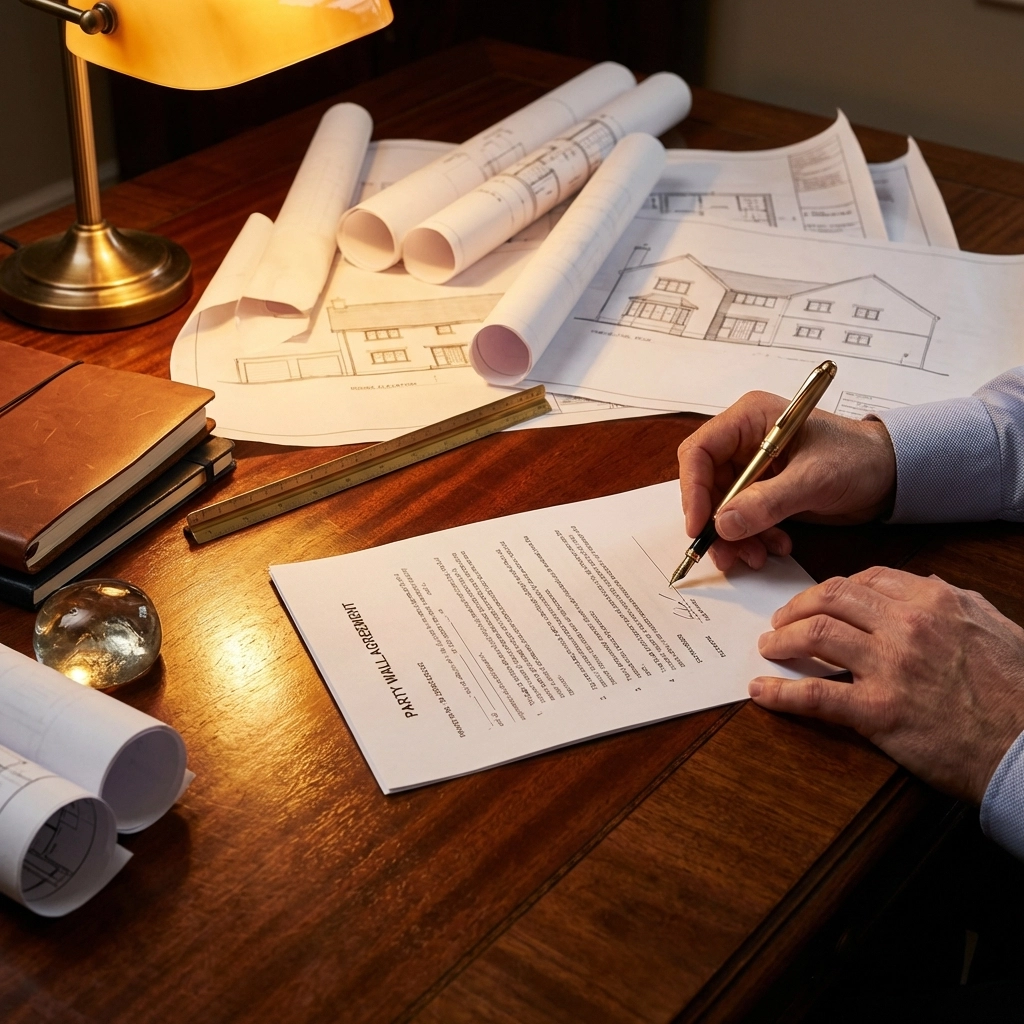
Party wall agreements may be legally required if your conversion affects shared walls or structures, particularly in semi-detached or terraced properties. These formal agreements protect both parties' interests and must be arranged before work begins.
The Party Wall Notice Process
When a party wall notice is required, it must be served in writing at least two months before work starts. The notice should include:
- Your name and address
- The building address where work will occur
- A full description of the proposed works with plans and drawings
- Your planned start date
Your neighbors then have 14 days to respond. If they consent, work can proceed as planned. If they dissent, a surveyor must be appointed to draw up a Party Wall Award, which legally defines how the work will proceed and protects both parties' interests.
Professional Guidance Makes the Difference
Navigating party wall requirements can be complex, and mistakes can be costly. Working with experienced professionals who understand these legal requirements ensures compliance and protects your investment. Our loft conversion specialists handle all necessary party wall agreements professionally, ensuring your project proceeds smoothly.
What Information Should You Share?
When communicating with neighbors about your loft conversion, transparency and detail demonstrate professionalism and consideration. Sharing comprehensive information helps neighbors understand what to expect and shows your commitment to minimizing disruption.
Project Timeline and Schedule
Provide clear information about when work will begin, expected duration, and daily working hours. Most construction work operates within standard hours (typically 8 AM to 6 PM Monday to Friday, 8 AM to 1 PM on Saturdays, with no work on Sundays or bank holidays), but confirming these details prevents assumptions and concerns.
Scope of Work Overview
Explain the general scope of your conversion without sharing every technical detail. Neighbors typically want to understand whether the work involves:
- External changes like dormers or roof windows
- Structural modifications that might cause noise or vibration
- Delivery schedules for materials
- Access requirements that might affect shared driveways or narrow streets
Disruption Minimization Measures
Share the steps you're taking to minimize disruption, such as:
- Using reputable, insured contractors with proper site management
- Implementing noise reduction measures where possible
- Coordinating deliveries to avoid peak traffic times
- Maintaining clean and safe work areas
Common Neighbor Concerns and How to Address Them
Understanding typical neighbor concerns helps you address them proactively, preventing minor worries from becoming major obstacles to your project.
Privacy and Overlooking
New windows or dormers can create privacy concerns if they provide views into neighboring properties. Address this by:
- Explaining window placement and orientation
- Discussing privacy measures like frosted glass for bathroom windows
- Showing how new windows primarily provide sky views rather than ground-level views
Noise and Disruption
Construction noise is inevitable, but explaining your approach to managing it demonstrates consideration:
- Confirm adherence to local authority working hours
- Explain noise reduction measures during particularly disruptive work phases
- Provide contact information for addressing concerns as they arise
Structural Impact Worries
Neighbors may worry about potential damage to their property from construction work. Address this by:
- Explaining your contractor's insurance coverage and experience
- Sharing information about structural surveys and engineering assessments
- Confirming monitoring procedures for any party wall work

Documentation and Record Keeping
Maintaining proper documentation of neighbor communications protects all parties and demonstrates professionalism throughout your project.
Written Communication
Follow up verbal conversations with written summaries, including:
- Project overview and timeline discussions
- Any concerns raised and how they'll be addressed
- Contact information for ongoing communication
- Confirmation of party wall agreement status
Professional Project Management
Working with experienced contractors who understand neighbor relations and communication best practices ensures professional handling of all interactions. Professional project management includes neighbor communication as a standard service, removing this responsibility from homeowners while ensuring all requirements are met.
Regional Considerations for West Sussex Properties
West Sussex properties often present unique considerations for neighbor notification, particularly in historic areas and conservation zones where additional restrictions may apply.
Conservation Area Requirements
Properties in conservation areas may have additional consultation requirements beyond standard planning processes. Early engagement with neighbors helps identify any local concerns that might affect planning applications.
Listed Building Considerations
Listed buildings require special consent for any alterations, and neighbor input during the consultation process can be particularly influential. Proactive communication helps ensure smooth approval processes.
Character Property Sensitivity
Many West Sussex homes are character properties where neighbor concerns about maintaining streetscape harmony are particularly relevant. Sharing design details that demonstrate sensitivity to local character often addresses concerns before they become objections.
Professional Support Makes the Process Smooth
Managing neighbor communications, party wall requirements, and regulatory compliance while planning your loft conversion can feel overwhelming. Professional guidance ensures all requirements are met while maintaining positive neighbor relationships.
At Swanbourne Construction Ltd, we advise clients on neighbor notification best practices and handle party wall agreements professionally, ensuring your loft conversion proceeds smoothly with minimal disruption and maximum goodwill from those living nearby. Our experience with West Sussex properties means we understand local sensitivities and requirements, helping you navigate the entire process with confidence.
Getting Started with Confidence
Whether your loft conversion requires formal party wall agreements or simply benefits from courteous neighbor communication, taking the right approach from the start protects your investment and maintains important relationships. Professional guidance ensures you meet all legal requirements while demonstrating the consideration and professionalism that keeps projects running smoothly.
Ready to explore your loft conversion options while ensuring proper neighbor relations? Contact our team for expert advice on planning, permissions, and professional project management that puts your mind at ease throughout the entire process.