If you have spent any time looking at the West Sussex property market lately, you already know the score. Whether you are in the heart of Chichester, the historic streets of Arundel, or the coastal stretches of Bognor Regis, the cost of "trading up" to a larger home has reached eye-watering levels. Between stamp duty, estate agent fees, and the sheer stress of a chain collapsing, many homeowners are asking themselves a simple question: Why move when we can grow?
A loft conversion in West Sussex is arguably the most transformative investment you can make in your property. It turns dusty storage space into a sun-drenched master suite, a quiet home office, or a much-needed teenage den. But before you start picking out floor tiles and skylights, there is a technical hurdle you need to clear first.
Do loft conversions need planning permission in 2026?
The short answer is: often, no. But the "no" comes with a list of very specific conditions. If you get these wrong, you could face costly enforcement action or find it impossible to sell your home later.
In this guide, we will break down the 2026 rules for West Sussex homeowners, explaining the difference between Permitted Development and Planning Permission, and why your "free" build rights are your most valuable asset.
The Secret Weapon: Permitted Development Rights
For the majority of houses in the UK, the government grants something called Permitted Development (PD) rights. Essentially, this is a "pre-approved" permission to extend your home within certain limits without having to submit a full planning application to your local council (like Arun District Council or Chichester District Council).
Think of it as a fast track. If your design fits within the PD criteria, you can theoretically start building much sooner. However, PD rights are not a "free for all." They are governed by strict volume and design rules that were updated and clarified as we moved into 2026 to reflect modern living standards and environmental concerns.
The Numbers Game: 40 and 50 Cubic Metres
The first thing a surveyor from Swanbourne Construction Ltd will look at is the volume of your proposed conversion. To qualify under Permitted Development, your loft conversion must not exceed a specific volume of "additional roof space."
- Terraced Houses: You are allowed an additional 40 cubic metres.
- Semi-Detached and Detached Houses: You are allowed an additional 50 cubic metres.
Why does this matter? Because it dictates the type of dormer you can build. An "L-shaped" dormer on a Victorian mid-terrace often pushes right up against that 40m³ limit. If you want a massive wraparound extension that exceeds these limits, you will definitely need to apply for full planning permission.
Pro tip: These limits include any previous roof extensions made by former owners since 1948. If the previous owners added a small dormer, that volume is deducted from your "allowance."
The Golden Rules of Placement and Design
Even if you stay under the volume limit, your conversion must follow several "design codes" to remain within Permitted Development:
1. The Principal Elevation Rule
In 99% of cases, you cannot extend the roof slope that faces the "highway" (the road) at the front of your house under PD. This is why most loft conversions you see in West Sussex feature Velux-style roof lights at the front and a larger dormer at the rear. If you want a dormer on the front of your house to catch the morning sun, you will almost certainly need to apply for planning permission.
2. Height and Eaves
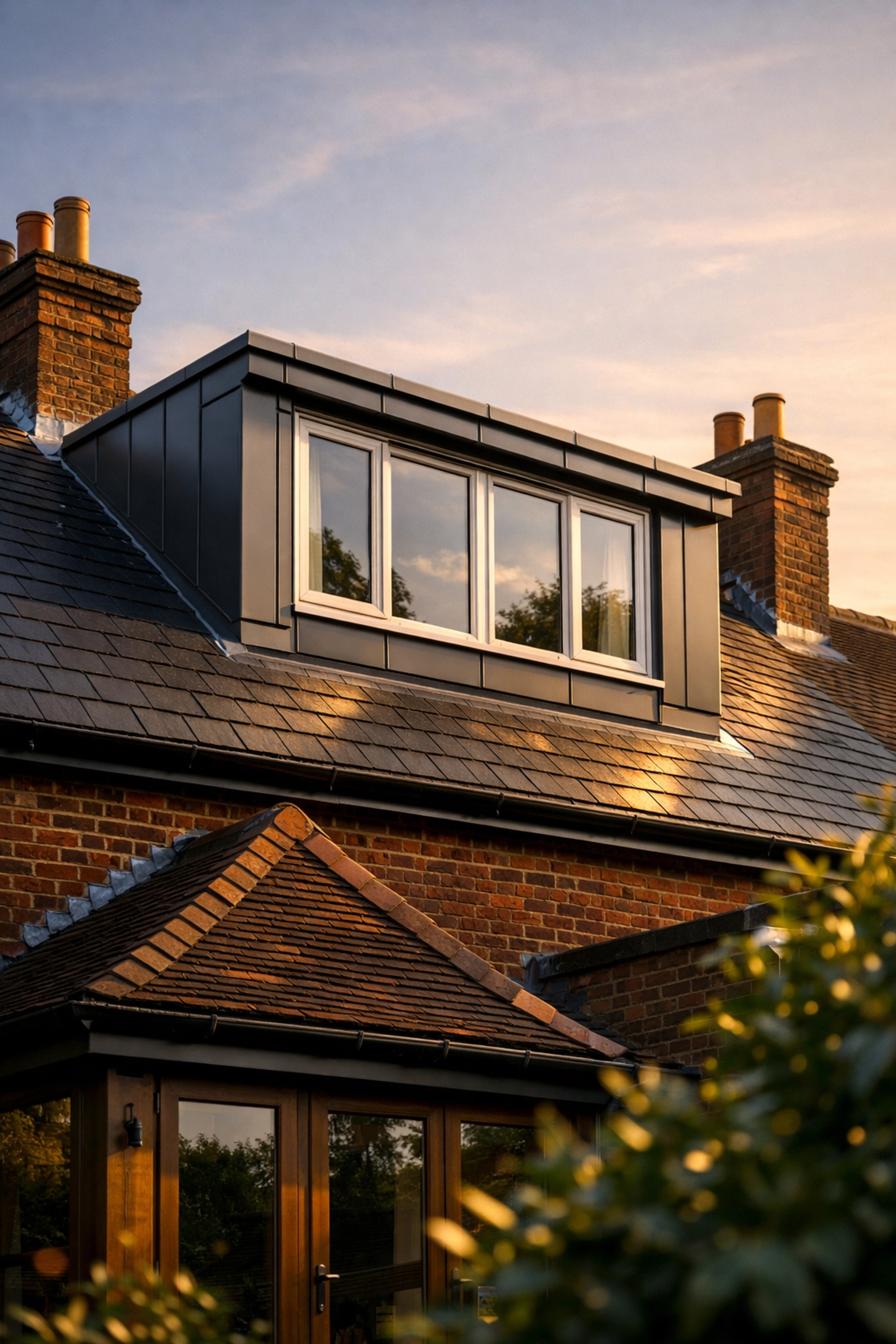
Your extension cannot be higher than the highest part of your existing roof. Furthermore, the new dormer should be set back at least 20cm from the original eaves. This ensures the extension looks like an addition to the roof rather than a whole new storey, maintaining the architectural harmony of our local West Sussex neighbourhoods.
3. Materials Must Match
The 2026 rules emphasize aesthetic continuity. The materials used for your dormer cheeks and roofing should be "of a similar appearance" to those of your existing house. If you have a classic Sussex flint cottage or a red-brick terrace in Westergate, your new conversion shouldn't look like a spaceship landed on your roof.
Privacy and "Obscure-Glazing"
Planners are obsessed with privacy: and for good reason. No one wants their neighbour looking directly down into their garden from a new second-storey window.
Under Permitted Development, any window located in a "side elevation" roof slope must be:
- Obscure-glazed: This means frosted or patterned glass that prevents a clear view.
- Non-opening: Unless the opening part of the window is at least 1.7 metres above the floor of the room.
This rule catches many homeowners off guard, particularly when they are planning an ensuite bathroom in the gable end of the house.
When Planning Permission is Mandatory
While PD is great, it isn’t available to everyone. You will always need to apply for full planning permission if:
- You live in a Flat or Maisonette: These properties do not have Permitted Development rights.
- You live in a Conservation Area: Large parts of Chichester, Arundel, and even some villages like Walberton are designated conservation areas. Here, the rules are much stricter to protect the historic character of the area.
- Your home is a Listed Building: You will need both Planning Permission and Listed Building Consent.
- Article 4 Directions: Occasionally, a local council will "strip" PD rights from a specific street or area. It’s rare, but it happens.
If your home falls into one of these categories, don’t panic. It doesn’t mean you can’t have a loft conversion; it just means the design needs to be more sympathetic, and the approval process will take longer (usually 8 to 13 weeks).
The Lawful Development Certificate (LDC)
If your project falls under Permitted Development, you might be tempted to just start building. Don't.
At Swanbourne Construction Ltd, we always recommend obtaining a Lawful Development Certificate (LDC) from your local authority. This is a legal document that confirms your loft conversion was legal at the time of construction and didn't require planning permission.
Why is this important?
- Selling your home: Future buyers' solicitors will demand proof that the loft conversion is legal. Without an LDC, the sale could fall through.
- Peace of mind: It protects you against any future changes in planning law or disputes with neighbours.
- Remortgaging: Banks want to know the "extra bedroom" they are lending against is actually a legal room.
Building Regulations: The Non-Negotiable Step
Here is where many people get confused: Planning Permission and Building Regulations are two completely different things.
Even if you don't need planning permission, every single loft conversion in West Sussex requires Building Regulations approval.
While planning permission is about how the house looks and its impact on the neighbours, Building Regs are about how the house is built and whether it is safe to live in. This covers:
- Fire Safety: You will likely need fire doors, a protected escape route, and mains-powered smoke alarms.
- Structural Integrity: Will the existing ceiling joists support the weight of a new floor, furniture, and people? (Usually, new steel beams are required).
- Insulation: With the 2026 energy standards, your loft must be a "thermal envelope," keeping heat in during West Sussex winters and reflecting heat during the summer.
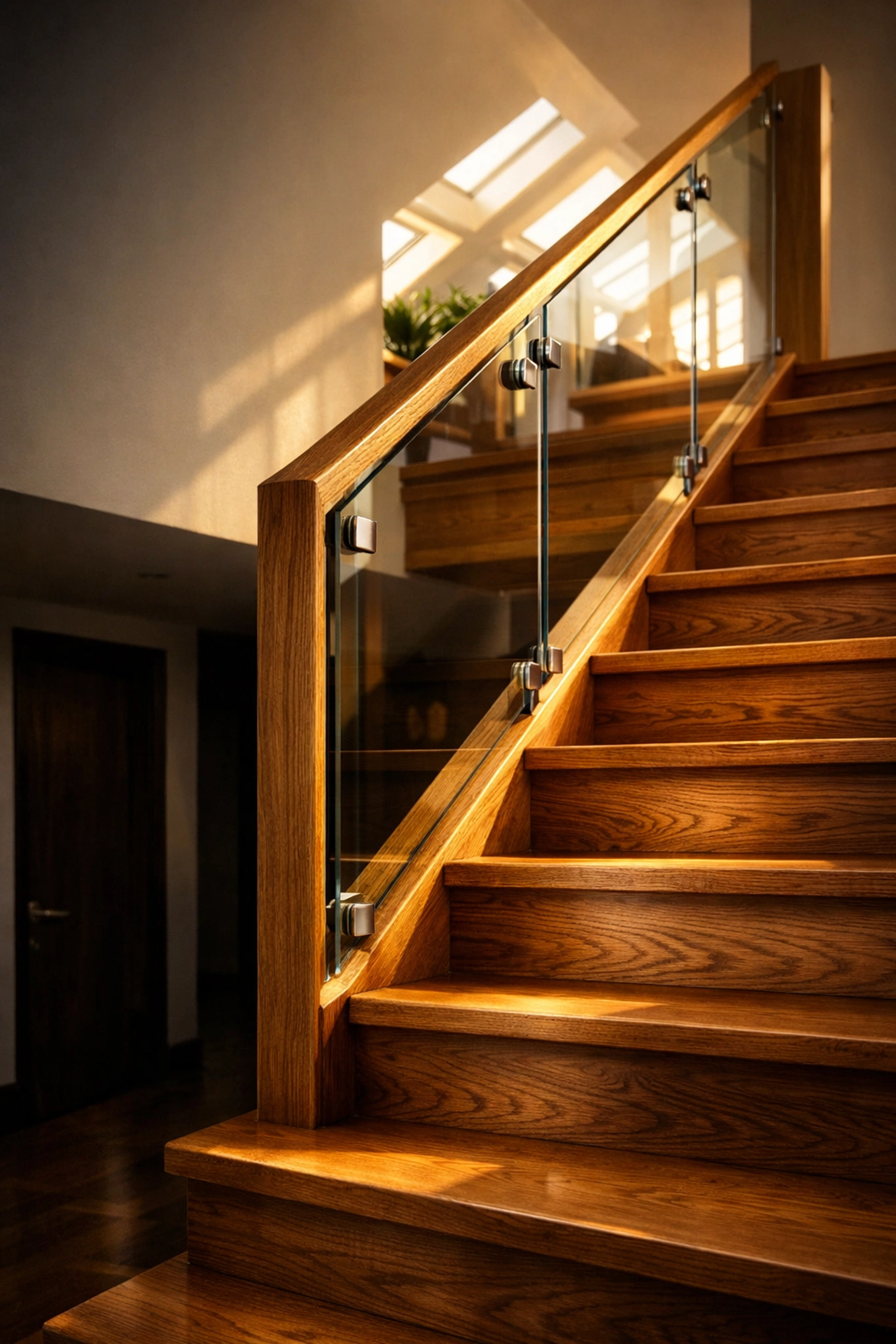
- Stairs: Are they wide enough? Is the pitch too steep? Can you safely get out in an emergency?
Failure to comply with Building Regs isn't just a legal issue: it’s a safety issue. When you work with Swanbourne Construction Ltd, we handle the inspections and ensure you receive your Final Completion Certificate.
Why Choose a Local West Sussex Expert?
Every council has its quirks. The planners in Bognor Regis might have slightly different interpretations of "matching materials" than those in the South Downs National Park. Choosing a local builder who understands the local landscape is vital.
We have spent years navigating the specific requirements of West Sussex authorities. We know which designs get approved, which ones get flagged, and how to maximize your 40/50m³ allowance to give you the most "bang for your buck."
Whether you are looking for a loft conversion in Arundel or a modern master suite in Chichester, we bring a professional, consultative approach to every build.
Ready to unlock your home's potential?
The rules might seem complex, but they are there to ensure our homes stay safe and our streets stay beautiful. A loft conversion is more than just a renovation; it is a way to future-proof your lifestyle without the heartache of moving.
Are you curious about whether your roof is suitable for a conversion? Or do you want to know exactly how much "volume" you have left to play with?
Let’s talk. At Swanbourne Construction Ltd, we offer expert advice tailored to the unique homes of West Sussex.
Explore our previous projects to see how we’ve transformed homes near you, or contact us today for a friendly, no-pressure consultation about your vision. Your dream space is closer than you think.