West Sussex is a region defined by its natural beauty, from the rugged coastline of Bognor Regis to the rolling greenery of the South Downs. As homeowners in areas like Chichester, Arundel, and Westergate look toward the future, there is a growing desire to ensure our homes reflect the landscape we inhabit. Building sustainably isn’t just a passing trend; it is a commitment to quality, longevity, and the health of both the environment and your family.
At Swanbourne Construction Ltd, we have seen a significant shift in how clients approach their projects. Whether you are planning a house extension in West Sussex or a bespoke renovation, the choice of materials is the single most impactful decision you will make. This guide explores the most effective eco-friendly building materials available today and how they can transform your living space into a high-performance, sustainable sanctuary.
1. The Timeless Strength of Sustainable Timber
Wood is perhaps the oldest building material known to man, but it remains one of the most eco-friendly when sourced responsibly. In an era of high-carbon concrete and steel, timber stands out as a renewable resource that actually sequesters carbon dioxide.
Certified Sourcing and Longevity
When we discuss sustainable timber, we are referring to wood certified by the FSC (Forest Stewardship Council) or PEFC. These certifications guarantee that the wood is harvested from forests managed with strict environmental and social standards. In our experience as builders in Chichester, timber framing and cladding are excellent choices for the local climate, providing natural insulation and a classic aesthetic that complements the historic architecture of the region.
Reclaimed Wood and Character
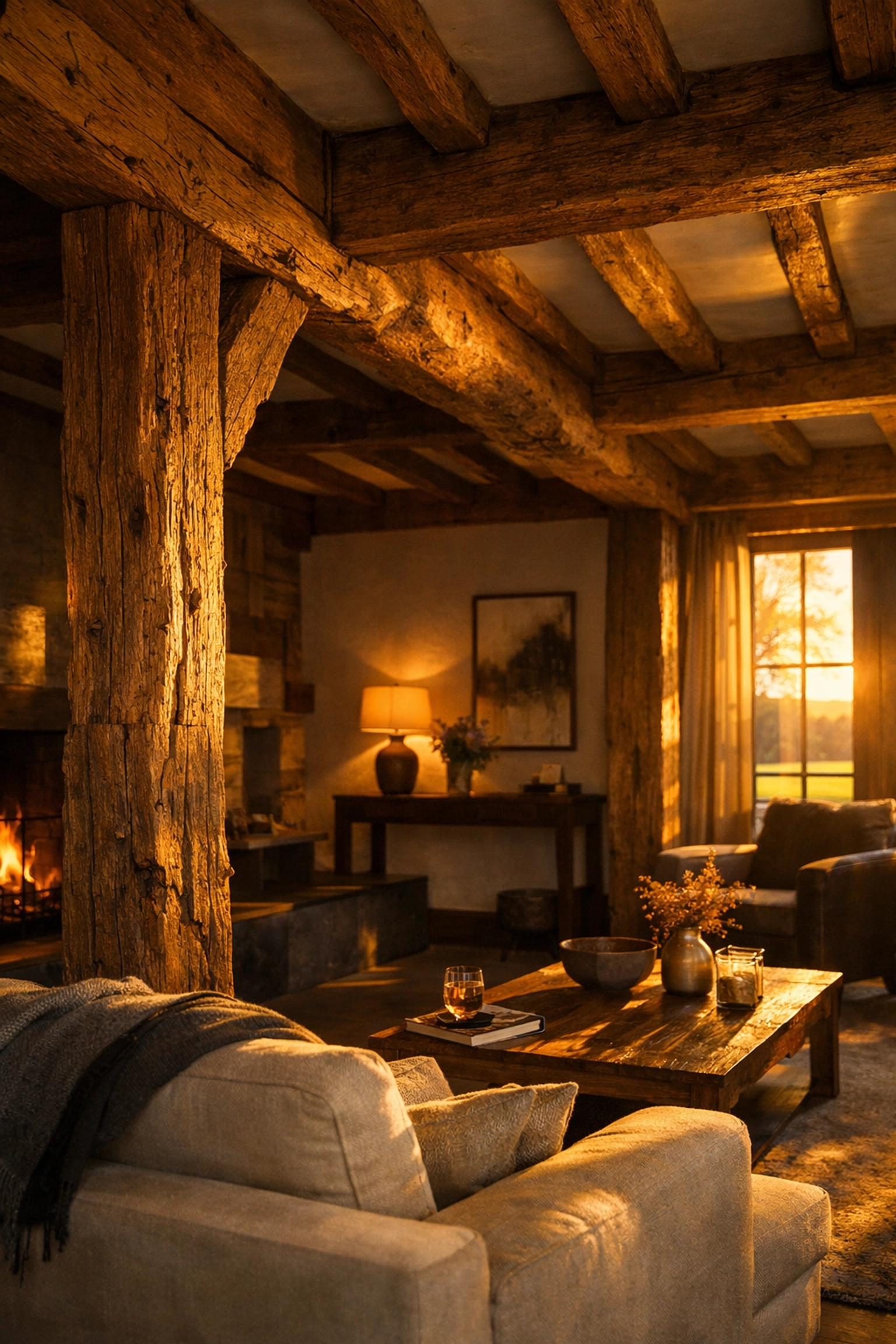
Beyond new timber, reclaimed wood offers a way to inject history and soul into your home while saving high-quality materials from the landfill. Using reclaimed beams or flooring in a loft conversion in Arundel not only reduces the demand for virgin timber but also creates a unique, weathered look that modern manufacturing simply cannot replicate.
2. High-Performance Natural Insulation
Standard fiberglass insulation is common, but it is often energy-intensive to produce and can be unpleasant to handle. For a truly sustainable home, we recommend looking toward natural alternatives that offer superior thermal performance and breathability.
Sheep’s Wool and Cotton Denim
Sheep’s wool is a fantastic natural insulator. It is breathable, meaning it can absorb and release moisture without losing its thermal properties: a vital feature for older homes in West Sussex that may struggle with damp. Similarly, recycled cotton insulation, often made from discarded denim, provides a non-toxic, highly effective barrier against the cold. These materials don’t just keep you warm; they improve your indoor air quality by avoiding the off-gassing associated with some synthetic foams.
Cork and Wood Fibre Boards
Cork is harvested from the bark of cork oak trees without ever cutting the tree down, making it 100% renewable. It is an exceptional insulator and is naturally resistant to mould and pests. Wood fibre boards, often used in external wall insulation, provide high thermal mass, which helps keep your home cool in the summer and warm in the winter, significantly reducing your reliance on central heating.
3. Revolutionary Recycled Materials
One of the most exciting developments in modern construction is the ability to turn waste into high-performance building components. By choosing recycled materials, you are helping to close the loop on construction waste.
Recycled Aggregate Concrete
Concrete is a staple of modern building, but its carbon footprint is traditionally very high. By using recycled aggregates: crushed concrete and brick from previous demolition sites: we can significantly reduce the environmental impact of foundations and structural walls. It provides the same structural integrity you expect but with a much lower "embodied carbon" profile.
Recycled Glass and Metal
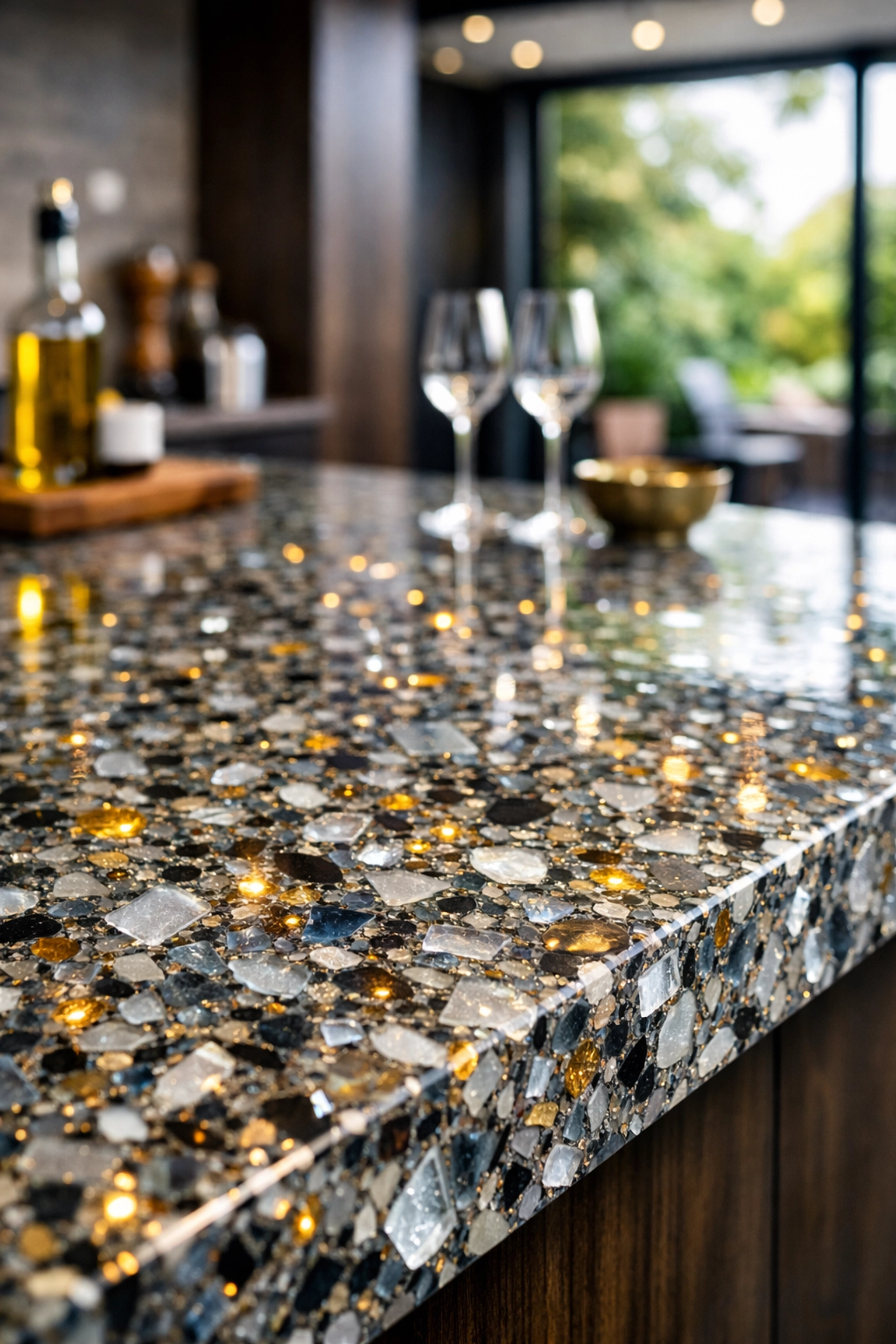
From worktops made of crushed recycled glass to roofing tiles manufactured from recycled polymers and rubbers, the options are endless. Metal, particularly steel and aluminium, is infinitely recyclable. If you are considering a modern extension in Bognor Regis, using recycled metal elements can provide a sleek, industrial aesthetic while remaining a responsible choice for the planet.
4. Healthier Interiors with Low-VOC Paints and Natural Finishes
Sustainability isn't just about the structure; it’s about the environment inside the home. Traditional paints and adhesives often contain Volatile Organic Compounds (VOCs), which can "off-gas" for years, potentially causing respiratory issues and allergies.
The Shift to Low-VOC and Natural Paints
Modern low-VOC and zero-VOC paints are now readily available in a vast array of colours and finishes. For those looking for something even more traditional, clay and lime-based paints are excellent alternatives. These are entirely natural, plastic-free, and allow your walls to "breathe," which prevents moisture build-up and creates a much healthier living environment for your family.
Sustainable Flooring Options
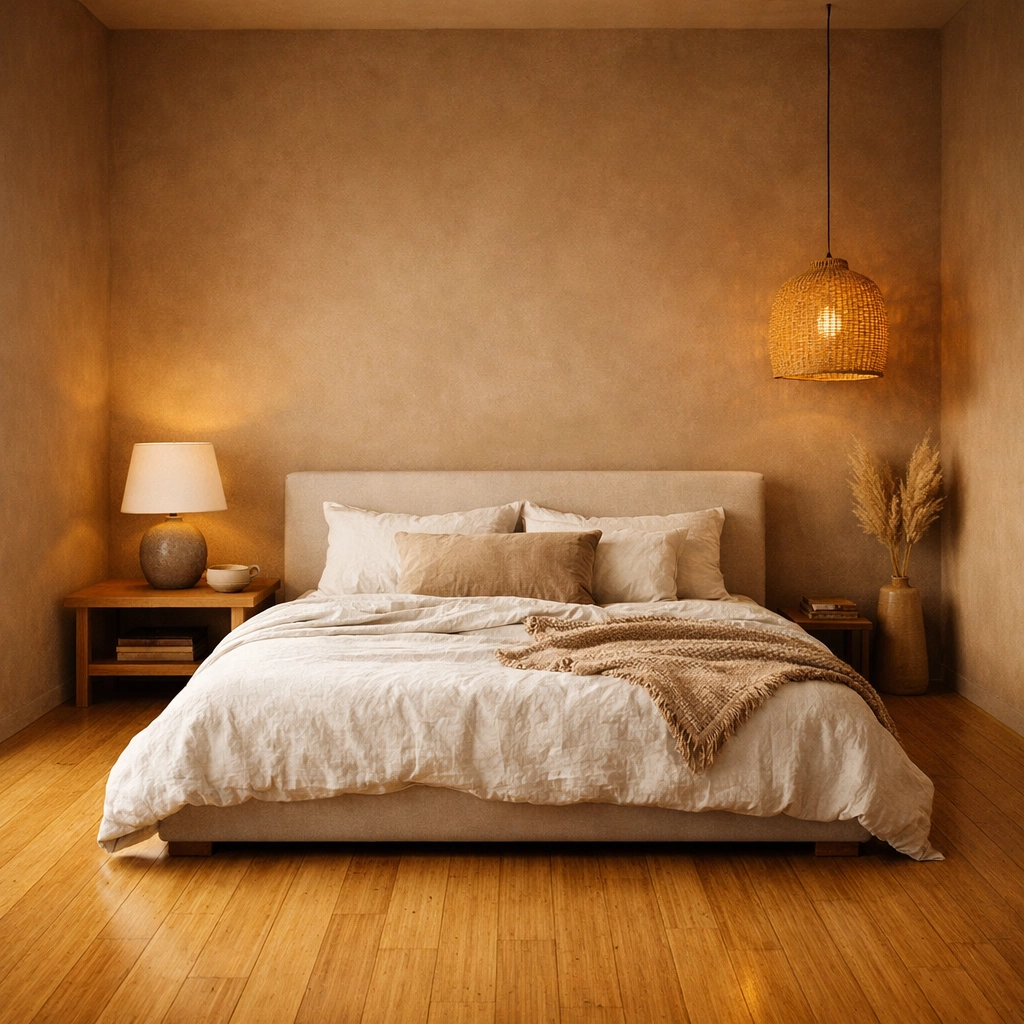
Consider linoleum (not to be confused with vinyl). True linoleum is made from natural materials like linseed oil, cork dust, and wood flour. It is durable, biodegradable, and naturally anti-bacterial. Alternatively, bamboo flooring is a rapidly renewable resource that grows much faster than traditional hardwoods, offering a contemporary look with impressive durability.
5. Cutting-Edge Eco-Innovations: Hempcrete and SIPs
For homeowners looking to push the boundaries of energy efficiency, there are several "next-gen" materials that are quickly becoming mainstream in high-end construction.
Hempcrete
Made from the inner woody core of the hemp plant mixed with a lime-based binder, hempcrete is a "carbon-negative" material. This means it actually absorbs more CO2 during its growth and curing process than is emitted during its production. It is lightweight, offers great thermal mass, and is highly fire-resistant. While it’s not yet the standard for every Westergate builder, it is an option worth exploring for those dedicated to a zero-carbon lifestyle.
Structural Insulated Panels (SIPs)
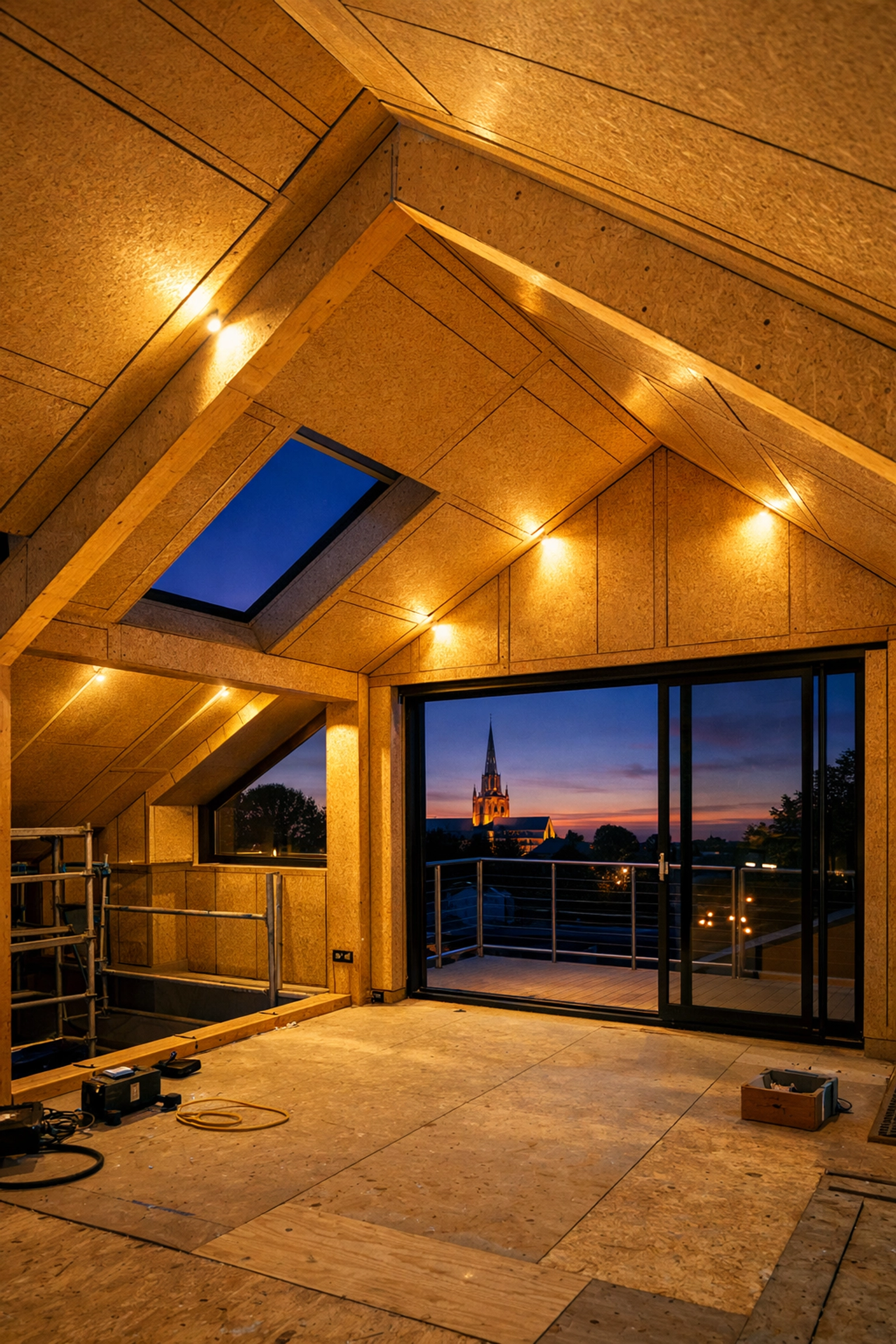
SIPs consist of an insulating foam core sandwiched between two layers of structural board (usually OSB). They are manufactured in a factory to precise specifications, which means minimal waste on-site and incredibly fast assembly times. Because they are so airtight, they provide some of the best energy performance figures in the industry, making them a popular choice for modern loft conversions in Chichester.
6. Why Sustainability Makes Financial Sense in West Sussex
You might wonder: Is the investment in eco-friendly materials worth it? While some sustainable options have a higher upfront cost, the long-term benefits are undeniable.
- Lower Energy Bills: Materials with high thermal mass and superior insulation properties mean your home retains heat more efficiently. Over the years, the savings on your energy bills can be substantial.
- Increased Property Value: In today's market, buyers are increasingly savvy about energy ratings and "green" credentials. A sustainable home is a future-proofed asset.
- Reduced Maintenance: Many natural materials, like high-quality timber cladding or clay tiles, age beautifully and require less chemical-heavy maintenance over time.
- A Healthier Home: Reducing toxins and improving breathability leads to better sleep and fewer health issues, which is a benefit you can't put a price on.
Building the Future with Swanbourne Construction Ltd
Choosing the right materials is a collaborative process. It requires a balance between your aesthetic vision, your budget, and your environmental goals. As a leading building service in the region, Swanbourne Construction Ltd is here to guide you through these choices.
We pride ourselves on our professional approach and our deep understanding of how to integrate modern, sustainable techniques into both contemporary builds and traditional West Sussex homes. Whether you are curious about the feasibility of a green roof or want to ensure your next renovation uses the best low-carbon materials available, we have the expertise to make it happen.
Are you ready to start your journey toward a more sustainable home? We invite you to explore our previous projects to see how we’ve helped other homeowners in the area achieve their goals.
Take the first step toward a greener future. To discuss your project and discover how eco-friendly materials can work for you, contact us today for a consultation. Let’s build something that lasts: for you and for the environment.