Converting your attic into usable living space can be one of the most cost-effective ways to add value to your West Sussex home. However, not every attic is suitable for conversion, and determining whether yours has the potential requires careful evaluation of several critical factors.
Essential Height Requirements
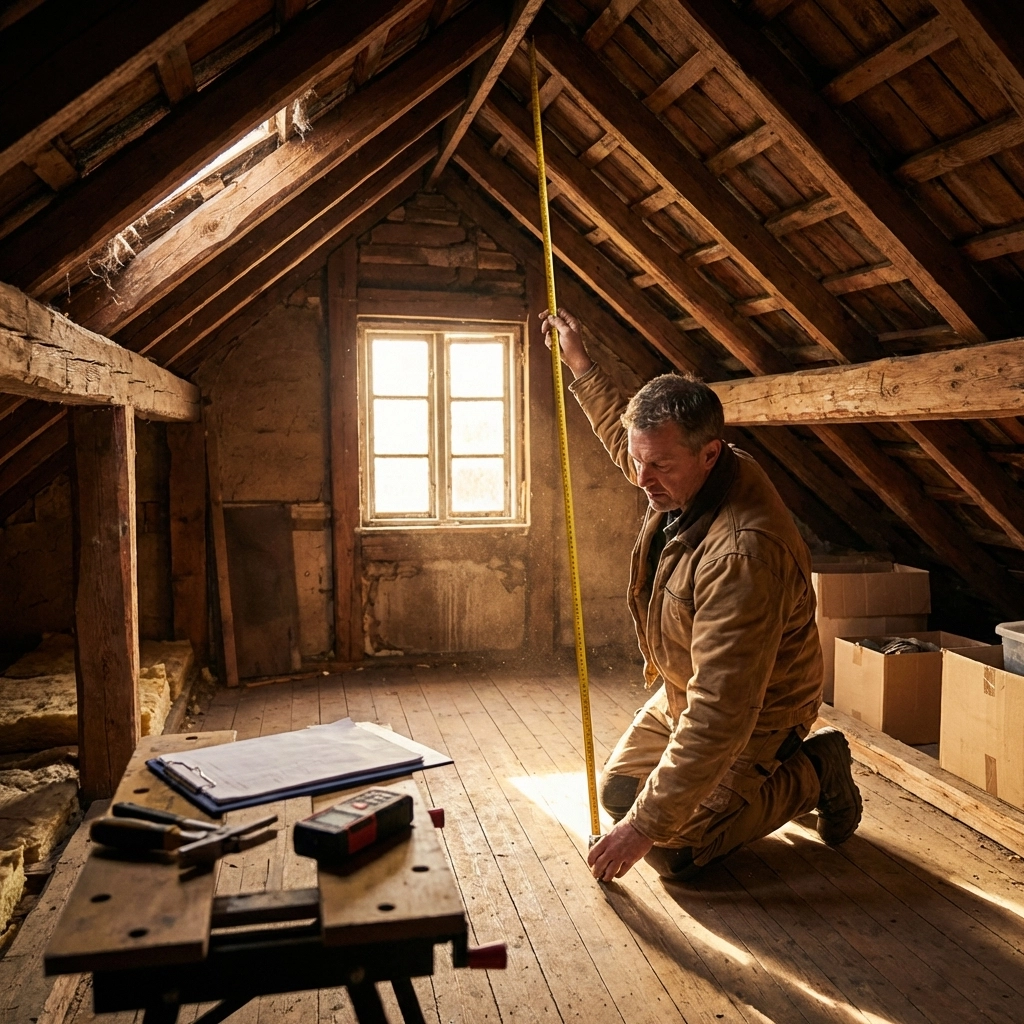
The most fundamental requirement for any attic conversion is adequate headroom. You need at least 2.2 metres of clear height after accounting for new flooring and insulation. This measurement should be taken from the finished floor level to the highest point of the roof.
When measuring your attic, remember that you'll lose some height to:
- New floor joists and boarding (typically 150-200mm)
- Insulation between and below rafters (200-300mm)
- Plasterboard ceiling finish (25mm)
If your current ridge height falls short, don't immediately dismiss the possibility. Options include lowering ceilings in the rooms below or raising the roof height, though these modifications add complexity and cost to your project.
Roof Structure Assessment
Your roof type determines conversion complexity more than any other single factor. Traditional cut timber roofs with individual rafters, purlins, and struts are generally easier and more cost-effective to convert. These older construction methods typically leave open, accessible space that can be modified without compromising structural integrity.
Modern properties often feature trussed roof systems – engineered frameworks with complex timber webs spanning the entire roof space. These systems are designed as complete structural units, and removing or altering any component can compromise the entire roof's stability. Converting trussed roofs requires extensive structural engineering work, significantly increasing costs and complexity.
Floor Structure Evaluation
Most attic floor joists weren't designed to support habitable room loads. Existing floor joists typically support only the ceiling below and stored items, not the dynamic loads of people, furniture, and everyday living.
You'll need to examine:
- Current joist size and spacing
- Span lengths and support points
- Condition of existing timbers
- Load-bearing capacity calculations
Professional structural assessment determines whether existing joists need strengthening or complete replacement. This evaluation directly impacts project costs and feasibility.
Available Floor Area
For a worthwhile conversion, you typically need at least 30 square metres of usable floor area. Smaller spaces may not provide sufficient room for practical living areas and often don't justify the conversion costs.
Consider how sloping rooflines affect usable space. Areas with less than 1.5 metres headroom are generally unsuitable for regular use, though they can provide valuable storage space. Plan your layout to maximize areas with full height while making productive use of lower zones.
Staircase Access Planning
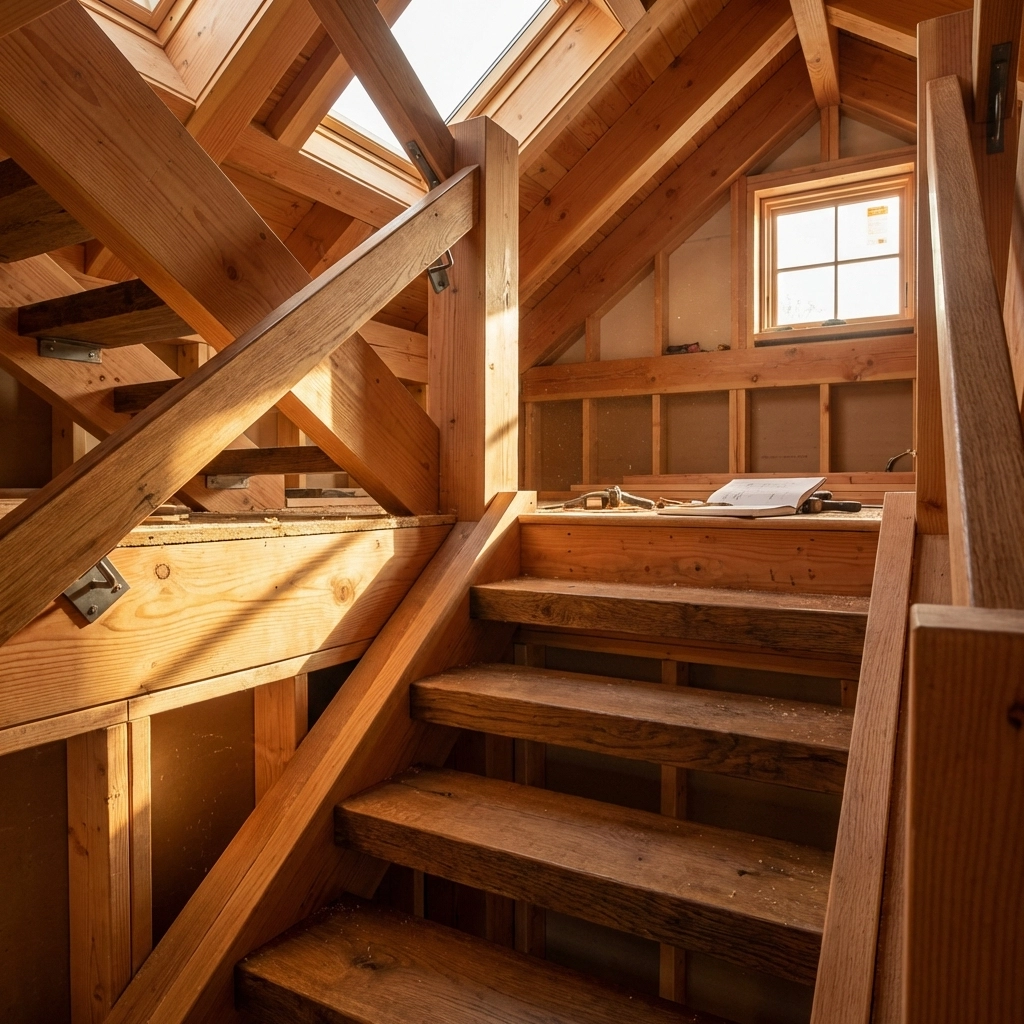
Building regulation-compliant stairs are mandatory for habitable loft conversions. This requirement significantly impacts both your existing home layout and project costs.
Evaluate potential staircase locations considering:
- Available space in rooms below
- Structural implications of floor openings
- Impact on existing room functionality
- Fire safety and escape route requirements
Poor staircase planning can disrupt your home's flow and waste valuable space in both the loft and existing rooms.
Identifying Potential Obstacles
Survey your attic for obstacles that could complicate or prevent conversion:
Water tanks and heating systems may require relocation, adding plumbing costs and complexity. Complex chimney arrangements can limit layout options and require specialist work. Extensive pipework or electrical systems running through the space may need rerouting.
Structural elements like purlins, struts, and load-bearing walls must be carefully evaluated. Some can be modified with proper engineering support, while others are immovable constraints on your design.
Planning Status and Restrictions
Your property's planning status significantly affects conversion options. Listed buildings face strict restrictions on alterations, potentially making conversions impossible or severely limited. Properties in conservation areas have specific guidelines about external changes, affecting window and dormer options.
Permitted development rights allow many loft conversions without planning permission, but these come with specific size and design limitations. Understanding these restrictions early prevents costly design changes later.
Building Regulation Compliance
All loft conversions must comply with current building regulations, regardless of planning permission requirements. Key areas include:
- Fire safety – escape routes, fire doors, and protected stairways
- Structural safety – adequate load-bearing capacity and proper construction
- Energy efficiency – insulation standards and thermal performance
- Ventilation – adequate air circulation and moisture control
These requirements are non-negotiable and significantly influence design possibilities and costs.
Natural Light Considerations
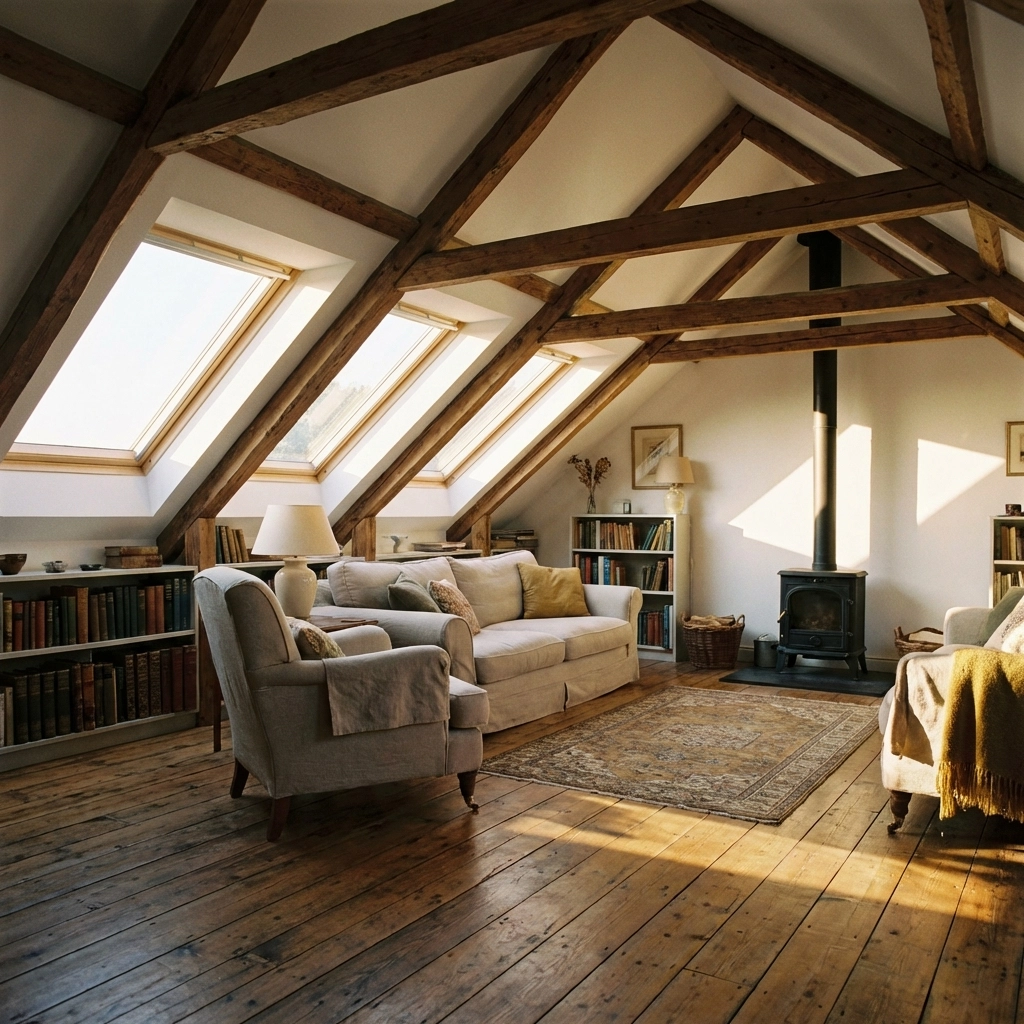
Assess opportunities for natural light through roof windows or dormers. Dark, cramped spaces feel unwelcoming regardless of size. Consider:
- Potential window positions and sizes
- Impact on neighboring properties
- Planning restrictions on external alterations
- Energy efficiency requirements for glazing
Good natural light makes loft spaces feel larger and more comfortable while reducing reliance on artificial lighting.
Roof Condition Assessment
Your roof's structural condition directly affects conversion feasibility and costs. Existing problems like leaks, rot, or beetle damage must be addressed before conversion work begins.
Professional roof surveys identify:
- Timber condition and any decay
- Roof covering integrity
- Structural movement or damage
- Previous repairs or modifications
Addressing roof condition issues during conversion often proves more cost-effective than separate remedial work.
Access for Construction
Consider practical access for construction materials and workers. Loft conversions require substantial materials – steel beams, floor joists, insulation, plasterboard, and fixtures. Limited access can increase labor costs and project duration.
Evaluate:
- External access possibilities
- Internal route restrictions
- Material handling requirements
- Impact on daily living during construction
Professional Assessment Benefits
While initial evaluation helps understand basic feasibility, professional assessment provides definitive answers. Experienced loft conversion specialists offer comprehensive analysis including:
- Detailed structural calculations
- Planning and building regulation guidance
- Accurate cost estimates
- Timeline projections
- Design optimization suggestions
This professional insight prevents costly mistakes and ensures realistic project expectations.
Making the Right Decision
Converting your attic represents a significant investment in your home's future. Proper assessment upfront prevents disappointment and financial loss later. Understanding your attic's potential – and limitations – enables informed decisions about whether conversion suits your needs and budget.
At Swanbourne Construction Ltd, our experienced team provides honest, comprehensive assessments of attic conversion potential. We evaluate all critical factors, identify necessary modifications, and provide clear guidance about costs and timelines.
Ready to discover your attic's potential? Contact our loft conversion experts for a professional assessment that gives you complete clarity about your conversion options before you commit to any project.
4 Responses