
If you are standing in your hallway in Bognor Regis, looking at dated wallpaper, cracked plaster, or a layout that simply doesn’t work for your family anymore, the dream of a "full renovation" is incredibly exciting. You can already see the open-plan kitchen, the sleek new bathrooms, and the polished finish. But then, reality sets in with one pressing question: How long is this actually going to take?
At Swanbourne Construction Ltd, we know that timing is everything. Whether you are juggling a mortgage on a second property, living with relatives, or trying to manage the chaos of a building site while staying in situ, having a clear timeline isn’t just a luxury: it’s a necessity.
The short answer is that a full home renovation typically takes between 3 and 12 months. However, that is a broad window. To give you a realistic expectation for your specific project in West Sussex, we need to dive into the variables that move the needle from "a few months" to "nearly a year."
Understanding the Scope: 2-Bed vs. 4-Bed Properties
Size is the most obvious factor, but it isn’t just about square footage; it’s about the volume of systems (plumbing, heating, electrics) that need replacing.
The 2-Bedroom Terrace or Apartment
For a standard 2-bedroom property, a full "back-to-brick" renovation usually falls within a 3 to 5-month window. Because the footprint is smaller, the demolition phase is shorter, and the "second fix" (the bit where it starts looking like a home again) happens much faster. However, if you are working on a period property in a tight street in Arundel or Chichester, logistics like skip placement and material deliveries can add a week or two to the schedule.
The 4-Bedroom Family Home
When you move up to a 4-bedroom detached or semi-detached home, the complexity scales. You aren't just adding two more rooms; you are likely adding an extra bathroom, a larger heating system, and more intricate electrical circuits. For these properties, you should budget for 6 to 9 months. If the renovation includes structural changes: like removing load-bearing walls to create that must-have kitchen-diner: you are firmly in the upper end of that timeline.
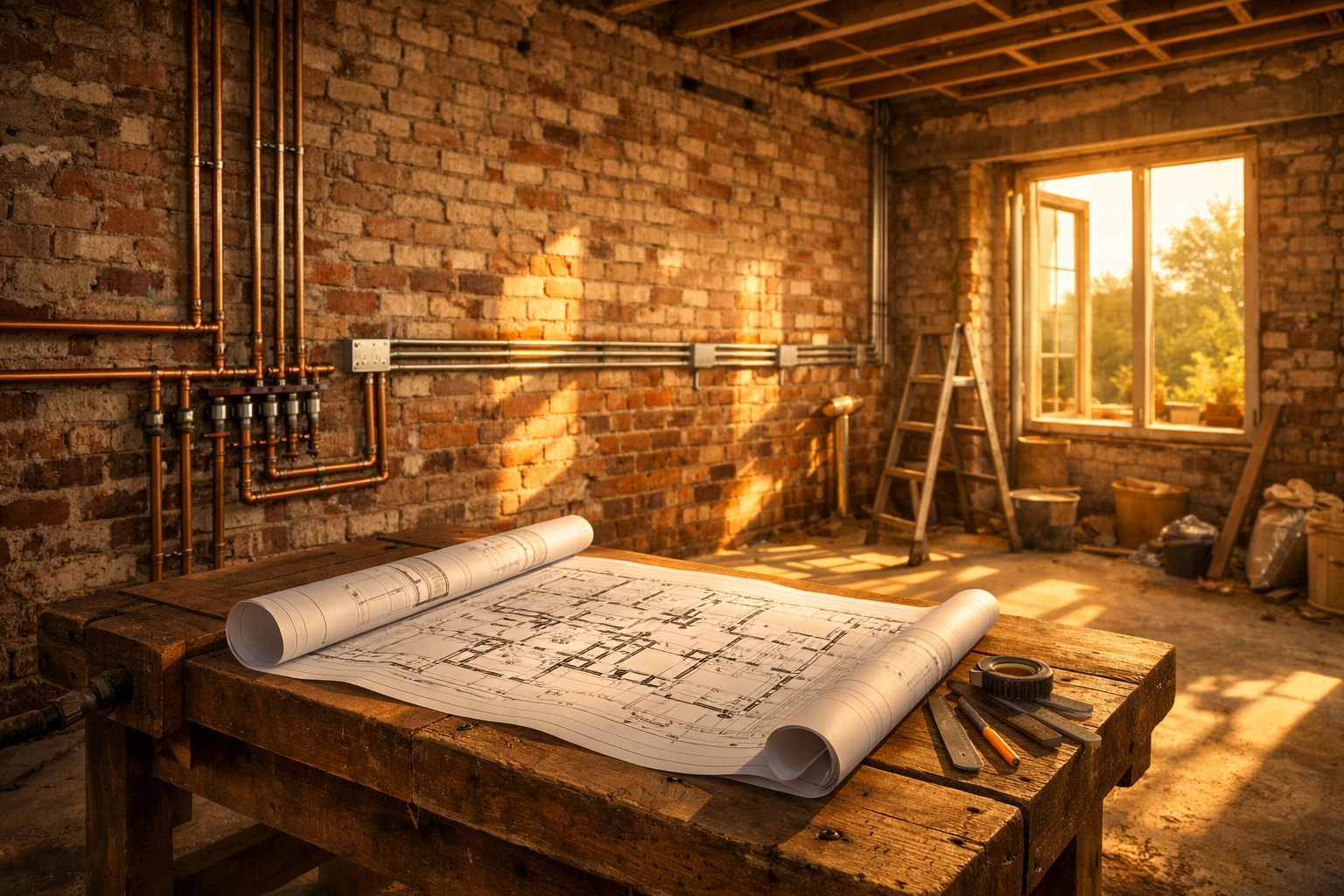
Cosmetic Refresh vs. Structural Overhaul
It is vital to distinguish between a "makeover" and a "renovation." Many homeowners use the terms interchangeably, but in the world of construction, they are worlds apart in terms of time.
- Cosmetic Updates: If your renovation consists of new flooring, painting, replacing kitchen cabinet doors, and upgrading bathroom fixtures without moving the plumbing, you might be finished in 4 to 8 weeks.
- Structural Renovations: This is where Swanbourne Construction Ltd usually steps in. If you are moving walls, replacing the roof, rewiring the entire house, or adding an extension, you are looking at a minimum of 6 months.
Why does structural work take so much longer? It’s the "invisible" work. Digging foundations, waiting for Building Control inspections, and allowing new concrete or plaster to dry properly cannot be rushed. If a builder tells you they can do a full structural renovation of a 4-bed house in two months, they are likely cutting corners that will cost you dearly later.
The Three Phases of Your Renovation Timeline
A renovation isn't just the time the builders are on-site with hammers. To plan your life, you need to look at the three distinct phases of the project.
1. The Design and Pre-Construction Phase (6 Weeks to 4 Months)
Before a single brick is moved, you need a solid plan. This includes:
- Architectural Drawings: Getting your vision onto paper.
- Structural Engineering: Calculating the steel beams needed if you’re opening up space.
- Permissions: If you are in a conservation area in Chichester or Bognor Regis, or if your project falls outside Permitted Development, you will need to wait for local council approval. This typically takes 8 to 12 weeks.
- Sourcing Materials: With current global supply chains, ordering "big ticket" items like bespoke bi-fold doors or specific kitchen ranges needs to happen months in advance.
2. The Construction Phase (3 to 9 Months)
This is the active phase. It begins with demolition (the messy part) and moves through "First Fix" (plumbing and electrics hidden in walls), "Second Fix" (plastering and fitting), and finally, the "Snagging" period.
3. The Completion and Handover (2 to 4 Weeks)
The final 5% of a job often feels like it takes the longest. This involves the fine-tuning: adjusting cabinet doors, final coats of paint, and getting the final sign-off from Building Control. At Swanbourne Construction Ltd, we pride ourselves on a thorough finish, ensuring that when we hand over the keys, the home is truly ready for you to enjoy.
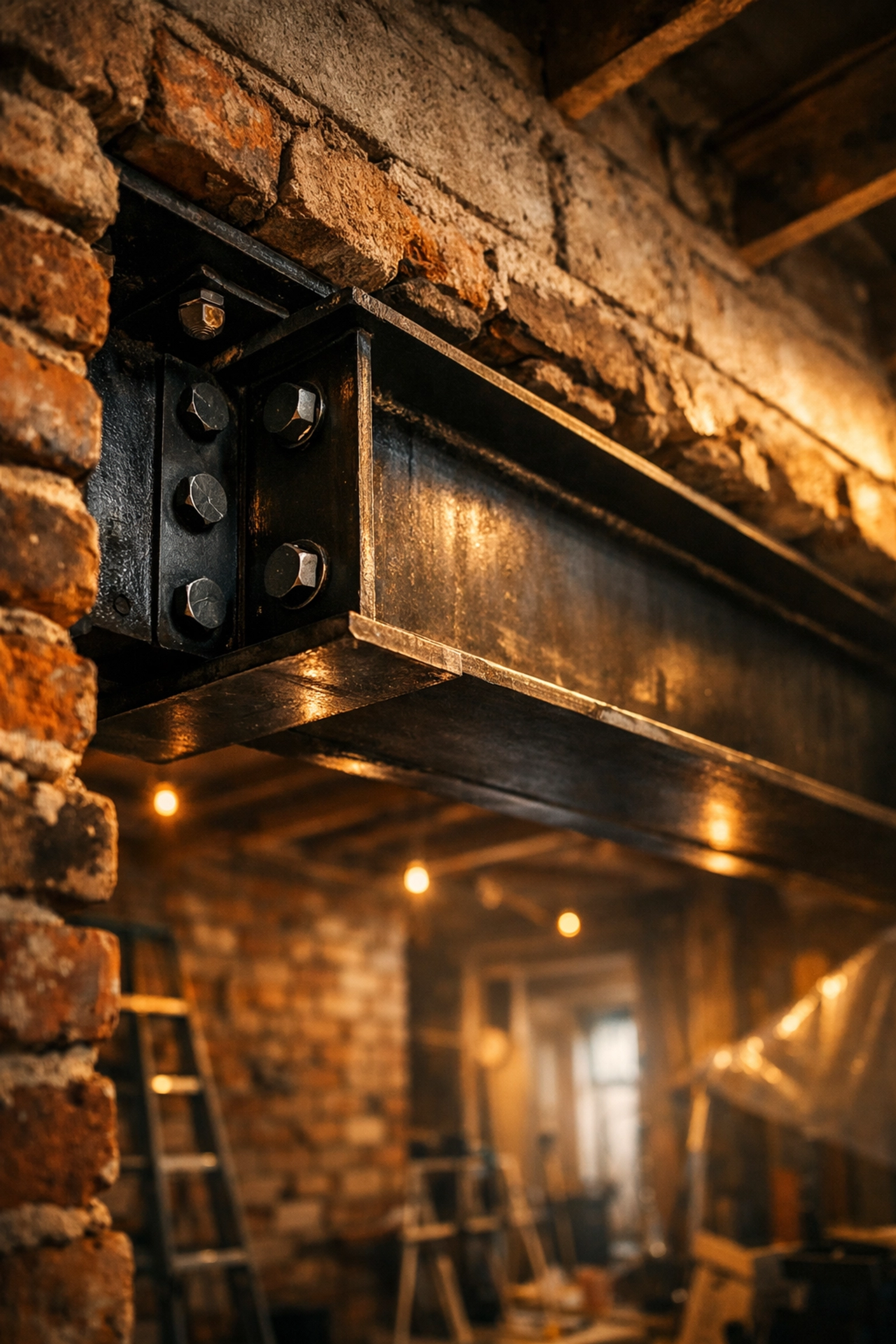
Key Factors That Can Shift Your Deadline
Even the best-laid plans encounter hurdles. Being aware of these common "time-thieves" can help you manage your expectations:
The Condition of the Property
Older homes in West Sussex often hide secrets. Once we strip the plaster, we might find "blown" brickwork, rising damp, or antiquated wiring that wasn't visible during the initial survey. Addressing these issues correctly adds time but ensures the safety and longevity of your home.
Weather Conditions
While internal work can continue during a rainy Bognor Regis winter, structural work, roofing, and extensions are at the mercy of the elements. Extreme cold can prevent bricklaying (as mortar won't set), and heavy rain can delay foundation pours.
Decision Fatigue
One of the most common causes of delay is the homeowner's "change of heart." Deciding to move a light switch or change the tile layout once the work has started might seem small, but it can create a domino effect on the schedule. A clear, finalized design before work starts is the best way to keep a project on budget and on time.
Can You Live in the House During the Renovation?
This is a question we get asked constantly. While it is technically possible to live in a house during a renovation, we usually advise against it for major projects.
Living on-site during a full renovation can actually extend the timeline. Why? Because the builders have to spend extra time each day making the site "safe and liveable" for you. They might have to work room-by-room rather than tackling the whole floor at once, which is less efficient. If you can move out for the most disruptive 3-4 months, the project will generally move faster and your stress levels will be significantly lower.
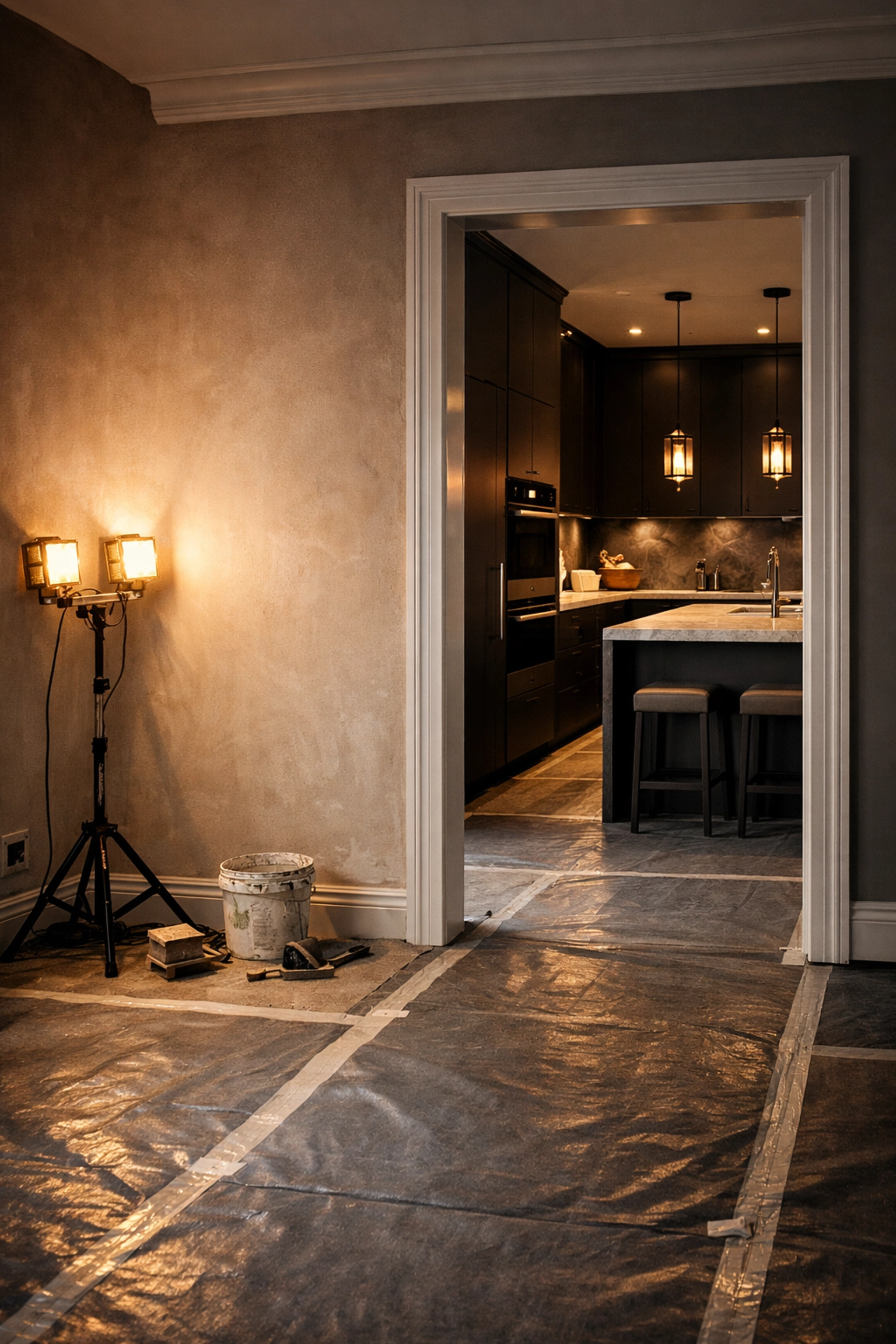
Why the "Middle" of the Project Feels the Slowest
There is a psychological element to renovation timelines. At the start, the demolition is fast and dramatic. At the end, the painting and flooring make the house look beautiful overnight.
However, the middle phase: when we are waiting for plaster to dry, installing complex wiring, or waiting for a specific structural inspector: can feel like nothing is happening. Rest assured, this is often the most critical stage where the "bones" of your home are perfected.
How to Keep Your Project Moving
If you want to ensure your renovation stays within that 3-6 month window for large projects, here are our expert tips:
- Hire a Pro: Work with a reputable company like Swanbourne Construction Ltd. We manage the subcontractors and the schedule so you don't have to.
- Be Decisive: Choose your fixtures, fittings, and finishes early.
- Have a Contingency Fund: Unexpected repairs take time and money. Having the funds ready means you can give the "green light" to fixes immediately, rather than pausing the project to move money around.
- Communicate: Regular check-ins with your project manager ensure everyone is on the same page regarding the upcoming milestones.
Your Dream Home is Worth the Wait
While a 6-month timeline might sound daunting when you’re standing at the starting line, remember the goal: a home that is safer, more energy-efficient, and perfectly tailored to your lifestyle. A rushed job is a job that will need fixing in five years. A well-planned, expertly executed renovation by a team that understands the local landscape in Bognor Regis and the surrounding West Sussex area is an investment in your future quality of life.
Are you ready to see what's possible for your property? Whether you are looking at a loft conversion in Chichester or a complete overhaul of a Victorian home in Bognor, we are here to guide you through every week of the process.
Ready to start the clock on your renovation?
Contact us today for a consultation, and let’s talk about how we can bring your vision to life within a realistic, professional timeframe. Check out our previous projects to see the level of finish you can expect when you choose a builder who values quality as much as you do.