
You’ve spent months: maybe even years: dreaming about that perfect house extension or loft conversion. You’ve visualised the bi-fold doors opening out onto your Bognor Regis garden, the sun hitting the new kitchen island, and the extra space your family desperately needs. But then comes the moment of truth: the quote arrives, and the builder asks for a deposit.
Suddenly, the excitement is replaced by a nagging question: How much is too much?
In the UK construction industry, and specifically across West Sussex, money is often the biggest source of friction between homeowners and contractors. You want to protect your hard-earned savings, while the builder needs to ensure they aren't out of pocket for materials and labour. Finding that middle ground is essential for a stress-free build.
At Swanbourne Construction Ltd, we believe that transparency is the foundation of every successful project. Whether you are in Chichester, Arundel, or right here in Bognor, understanding the industry standards for deposits will help you spot a professional a mile off: and more importantly, help you avoid the "cowboys."
The Industry Standard: What is Normal?
When you’re looking at a significant project, such as a loft conversion in Bognor Regis, you should expect to pay a deposit. However, this shouldn't be a random figure plucked out of thin air.
- The 10% to 25% Rule: For most medium-to-large residential projects, a deposit of 10% to 25% is considered the industry standard. This range typically covers the initial administrative costs, the booking of the time slot in the builder’s diary, and the first "draw" of materials.
- Small Jobs vs. Large Projects: On very small maintenance jobs (under £1,000), many reputable builders won't ask for a deposit at all, or perhaps just a token amount. Conversely, for massive renovations, the deposit might be lower in percentage terms but higher in actual value.
- The Material Factor: The main reason a deposit might lean toward the 25% mark is if your project requires high-value, bespoke items early on. If your builder needs to order custom-made timber frames, specialised glazing, or bespoke steel beams that cannot be returned, they will naturally need that cost covered upfront.

The "50% Red Flag": Why You Should Be Cautious
If a builder asks for 50% of the total project cost before they’ve even unloaded a single shovel from their van, be very careful.
While there are rare exceptions: such as a project that is almost entirely made of high-end, pre-fabricated materials: a 50% upfront demand is a major red flag in the UK building trade. Why? Because it suggests the builder might be "robbing Peter to pay Paul." In other words, they might be using your money to finish a previous client's job or to pay off old debts.
A professional company with healthy cash flow, like Swanbourne Construction Ltd, shouldn't need half the money upfront to start your extension in Chichester. A request for a massive deposit often signals financial instability, which is the last thing you want when your roof is being taken off.
Why Do Builders Need a Deposit Anyway?
It’s easy to feel defensive about handing over thousands of pounds, but it’s helpful to understand the builder's perspective. A deposit serves three main purposes:
- Commitment: It’s a "handshake" in financial form. It confirms you are serious about the project. Builders often book their schedules months in advance; if a client cancels at the last minute without a deposit in place, the builder loses weeks of work and has to scramble to fill the gap.
- Material Procurement: As mentioned, items like bricks, timber, and steel need to be ordered. Some suppliers require payment on delivery or even payment in advance for new accounts.
- Site Setup: Before the actual building starts, there are costs involved in hiring skips, scaffolding, and temporary site toilets.
The Power of Staged Payments
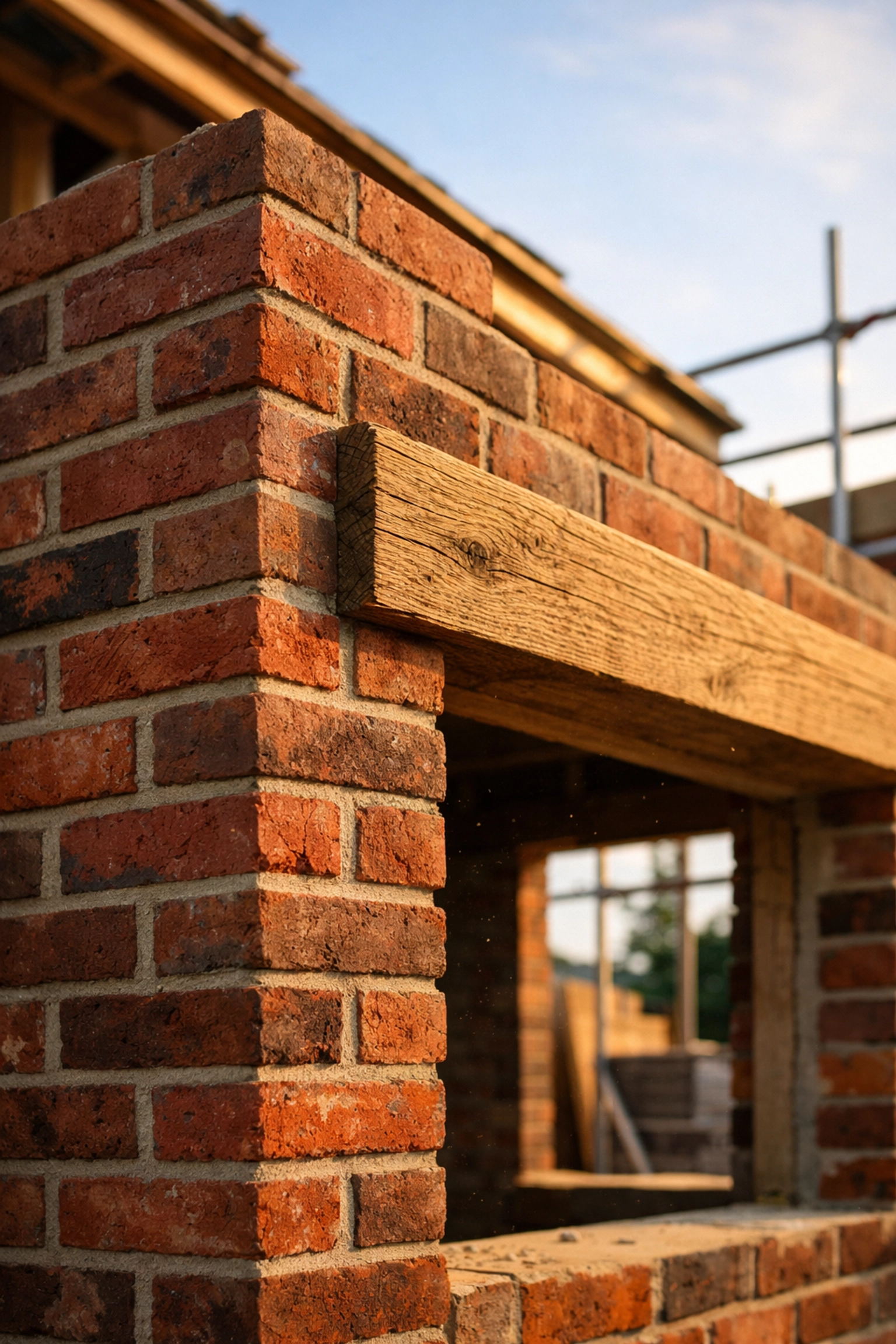
The deposit is just the beginning. The real secret to a secure building project is a staged payment schedule. Instead of paying a huge lump sum at the start and the rest at the end, the project is broken down into "milestones."
A typical schedule for a house extension might look like this:
- Deposit (10-20%): Paid upon signing the contract to secure the start date.
- Stage 1: Foundations and groundworks completed.
- Stage 2: Wall plate level (the "shell" of the building is up).
- Stage 3: Roof made watertight.
- Stage 4: First fix (plumbing and electrics hidden in walls).
- Stage 5: Plastering and second fix.
- Final Retention (2.5-5%): Paid only after the final "snagging" list is completed and you are 100% happy.
By using this method, you only pay for work that has actually been done. It keeps the builder motivated and keeps your risk to an absolute minimum.
Protecting Your Payment: Best Practices
Before you transfer a single penny for your West Sussex home improvement, ensure you have checked the following boxes:
- Get it in Writing: Never pay a deposit without a signed contract or at least a detailed written quote that outlines the payment stages.
- Avoid Cash: While "cash prices" might sound tempting, they offer zero paper trail if things go wrong. Always pay via bank transfer or credit card (if the builder accepts them) for added protection.
- Verify the Company: Is the builder a limited company? Do they have a physical office or yard? Check their previous projects and see if they have a track record in the Bognor Regis area.
- Insurance: Ensure the builder has public liability insurance and, ideally, employer’s liability insurance. This protects your property during the build.
The Swanbourne Approach: Fairness and Transparency
At Swanbourne Construction Ltd, we’ve built our reputation in Westergate and the surrounding areas on trust. We know that for many of our clients, an extension is the biggest investment they will ever make after the initial purchase of their home.
Our approach to deposits is simple: We keep it fair. We calculate deposits based on the actual initial outlays required for your specific project. We provide a clear, jargon-free payment schedule so you know exactly when money is due and, more importantly, why it is due.
We don’t believe in "hidden extras" or aggressive upfront demands. We want you to feel as confident in the financial side of the project as you are in the quality of our brickwork.
What Happens if a Builder Disappears with Your Deposit?
It’s the nightmare scenario every homeowner fears. If you have paid a deposit and the builder fails to show up, your options depend on the steps you took beforehand. If you have a contract and paid via a traceable method, you can pursue them through the Small Claims Court. However, the best way to deal with rogue builders is to avoid them entirely by doing your homework and sticking to the 10-25% deposit rule.

Final Thoughts: Moving Forward with Confidence
Paying a deposit shouldn't feel like a gamble. It should feel like the start of a partnership. By sticking to industry standards, insisting on a staged payment plan, and choosing a reputable local firm like Swanbourne Construction Ltd, you can protect your finances while your dream home takes shape.
Are you planning a project in West Sussex? Whether you're considering a loft conversion in Arundel or a kitchen extension in Bognor, we are here to help guide you through the process: from the first quote to the final coat of paint.
Ready to start your journey with a builder you can trust?
Contact us today for a transparent, professional consultation. Let's build something great together, with a payment plan that gives you total peace of mind.