
Owning a piece of British history is a dream for many. Whether it’s a flint-knapped cottage in the heart of Arundel, a grand Georgian townhouse overlooking Chichester’s cathedral, or a characterful coastal property in Bognor Regis, West Sussex is blessed with an incredible architectural heritage. However, that dream can quickly feel like a daunting responsibility when you decide it’s time to renovate.
At Swanbourne Construction Ltd, we’ve spent over 20 years navigating the complexities of historic renovations. We understand that you aren’t just a homeowner; you are a custodian of history. Renovating a listed building isn't about "fixing" it in the modern sense, it's about preserving the past while making it liveable for the future.
In this guide, we’ll walk you through the essential "dos and don’ts" of listed building renovation in West Sussex, ensuring your project respects the law, the local heritage, and your vision for a beautiful home.
1. Understanding the "Grades": What Does Your Status Actually Mean?
Before you even pick up a tape measure, you need to know exactly what you’re working with. In England, buildings are listed by Historic England to mark their special architectural or historic interest.
- Grade I: Buildings of exceptional interest (only 2.5% of listed buildings).
- Grade II*: Particularly important buildings of more than special interest.
- Grade II: Buildings of special interest (the most common type, covering about 92% of all listed properties).
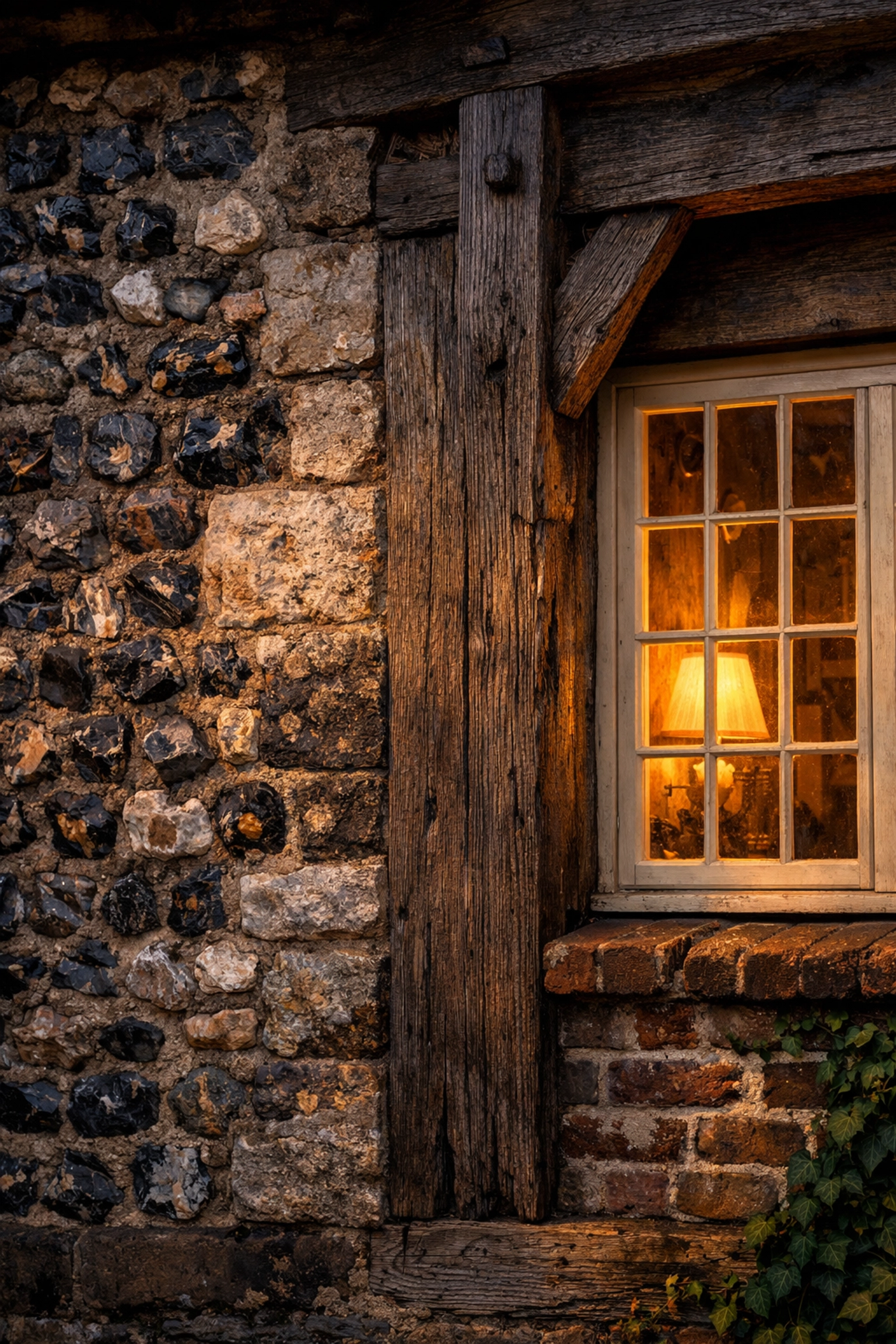
In places like Chichester and Arundel, Grade II listings are incredibly common. If you own one, the "listing" doesn't just cover the front door or the fancy fireplace, it usually covers the entire structure, inside and out, and sometimes even the outbuildings and garden walls.
Why does this matter? Because any work that affects the "character" of the building requires Listed Building Consent. This is separate from, and often more stringent than, standard planning permission.
2. The Golden Rule: Consent Before Construction
One of the biggest mistakes a homeowner can make is assuming that internal changes don't need approval. Want to move a non-structural wall? Check first. Want to replace those drafty single-glazed windows with modern double glazing? Stop right there.
Working without consent on a listed building is a criminal offence. Not only could you be forced to reverse the work at your own expense, but it could also make selling the property in the future nearly impossible.
When we work with clients in West Sussex, we always recommend engaging with your Local Planning Authority (LPA), such as Chichester District Council or Arun District Council, early in the process. They often have conservation officers who can provide invaluable advice before you submit a formal application. For more on navigating local regulations, see the ultimate guide to planning permission in West Sussex.
3. The "Do’s" of Historic Renovation
To master a historic renovation, you must adopt a different mindset than you would with a new build. Here are the core principles to follow:
Do: Use Traditional Materials
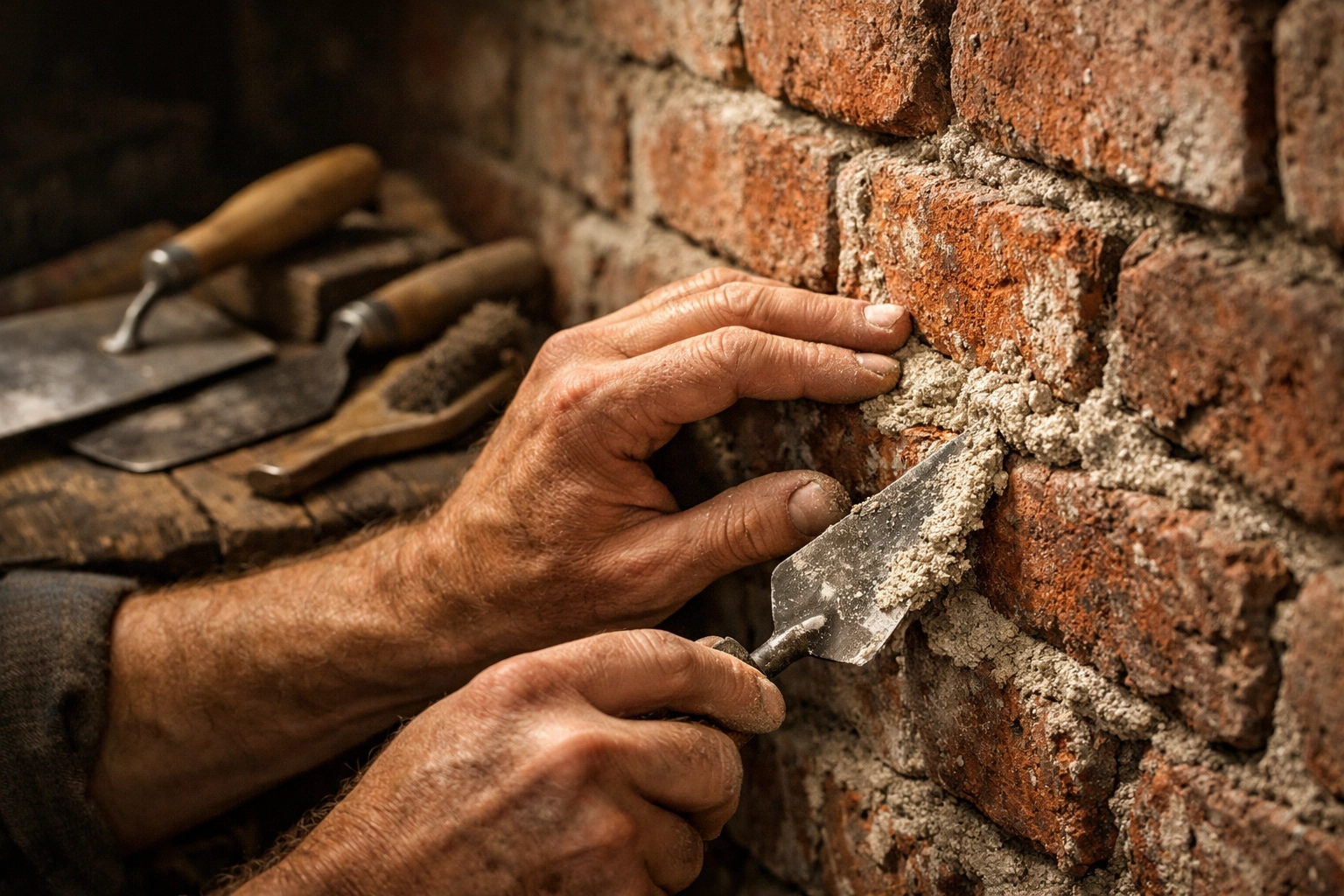
Modern materials like Portland cement and gypsum plaster are the enemies of historic homes. Older buildings were designed to "breathe." They use lime mortar and lime plaster, which allow moisture to evaporate. If you use modern, non-porous materials, you trap moisture inside the walls, leading to damp and timber decay.
Do: Restore Rather Than Replace
If an original sash window is rattling, your first instinct might be to replace it. However, conservation officers will almost always prefer that you restore the original. At Swanbourne Construction Ltd, we pride ourselves on our ability to repair historic fabric, whether it’s timber frames or flint walls, using techniques that match the original craftsmanship.
Do: Hire Specialist Experts Early
A historic renovation is not a standard DIY project. You need an architect who understands heritage statements and a builder who knows how to handle 200-year-old masonry. We’ve spent two decades building relationships with specialists across West Sussex to ensure every "snag" is handled with care. If you're curious about who you're trusting your home with, you can get to know Swanbourne Construction here.
4. The "Don’ts" of Historic Renovation
Avoiding these common pitfalls will save you time, money, and a lot of legal headaches.
Don’t: Assume Modern Is Better
In 2026, we have incredible technology for our homes, but it doesn't always belong in a listed building. Avoid "quick fixes" like plastic vents, modern roof tiles, or mass-produced doors. These elements clash with the building’s soul and will likely be rejected by conservation officers.
Don’t: Neglect the "Sacrificial" Layers
When installing new electrics or plumbing, don't drill holes through original beams or decorative cornices. Instead, look for ways to route services through "sacrificial" areas, like floor voids or modern partitions, or use surface-mounted solutions that can be painted to blend in.
Don’t: Ignore the Context of the Area
A renovation in Arundel (known for its steep hills and stone architecture) requires a different approach than a project in Bognor Regis (where sea air and salt spray dictate material choices). Always consider how your renovation fits into the local West Sussex landscape.
5. Balancing Modern Comfort with Heritage
The most frequent question we get is: "Can I make my listed home warm and energy-efficient?"
The answer is yes, but it requires a light touch. While you might not be allowed to install standard solar panels on a street-facing roof in a conservation area, you might be able to:
- Install high-quality secondary glazing that is invisible from the outside.
- Add breathable insulation to lofts or under floors.
- Upgrade your heating system to include modern, high-efficiency boilers or even air-source heat pumps, provided the external units are cleverly concealed.
For those considering more significant changes, like adding space to a period property, our guide on maximizing your home and lifestyle through extensions provides a great starting point for thinking about modern additions.
6. Budgeting for the Unexpected
If there is one thing 20+ years in the trade has taught us, it’s that historic buildings love to hide secrets. When you peel back a layer of wallpaper in a 19th-century home, you might find a hidden fireplace: or you might find a significant structural issue.
When budgeting for a listed building renovation, we recommend a contingency fund of at least 15-20%. Specialist materials like hand-made clay tiles or hydraulic lime are more expensive than their modern counterparts, and the skilled labour required to apply them takes longer. However, the investment pays off in the long-term value and prestige of the property.
7. Why Local Expertise Matters in West Sussex
Choosing a builder isn't just about the quote; it’s about knowing they understand the ground they’re standing on. From the chalky soils of the South Downs to the coastal conditions of Bognor, local knowledge is vital.
At Swanbourne Construction Ltd, we live and work in this community. We know the local planning officers, we know the local suppliers of reclaimed materials, and we know how to navigate the specific challenges of Sussex architecture. Why choose a local builder in Bognor Regis? Because we care about preserving the character of our towns as much as you do.
Final Thoughts: Your Heritage Journey
Renovating a listed building in West Sussex is a marathon, not a sprint. It requires patience, a respect for the past, and a partnership with the right experts. But when you finally sit down in a room that has been beautifully restored: where the original character shines through and the modern comforts are seamlessly integrated: you’ll know it was worth every effort.
If you’re just starting your journey with a historic home in Chichester, Arundel, or Bognor Regis, don’t feel you have to figure it all out alone. We’re here to help you navigate the "dos and don’ts" and turn your historic property into a masterclass of renovation.
Ready to discuss your heritage project?
Explore our blog for more tips or get in touch with the team at Swanbourne Construction Ltd today. Let’s make history together.