
Owning a piece of British history is a dream for many. Whether it’s a flint-walled cottage in the shadow of Arundel Castle, a grand Georgian townhouse within Chichester’s city walls, or a unique coastal property in Bognor Regis, these buildings are more than just homes: they are the physical narrative of West Sussex.
However, with great beauty comes great responsibility. If you’ve recently acquired a listed property or are planning a renovation in 2026, you likely already know that the rules of engagement are different. The standard "DIY" or "quick-fix" mentality doesn't apply here. Renovating a listed building requires a delicate balance of preservation, legal compliance, and modern comfort.
At Swanbourne Construction Ltd, we have spent over 20 years navigating the complexities of historic renovations. We understand that you want a home that functions for modern life: with efficient heating and a functional kitchen: without erasing the character that made you fall in love with the property in the first place.
Here are the essential "Dos and Don’ts" for successfully renovating a historic home in West Sussex.
1. DO Understand Your Grade (And What It Protects)
In England, buildings are listed to mark their special architectural or historic interest. In West Sussex, we primarily deal with Grade II listings, which cover the majority of historic homes. However, Chichester and Arundel are also home to Grade II and Grade I* buildings, which are of exceptional importance.
The most common misconception is that "only the front of the house is listed." This is a myth. Listing usually covers the entirety of the building, inside and out, and can even include outbuildings, garden walls, and internal features like floorboards, fireplaces, and even 19th-century plumbing fixtures. Before you lift a single hammer, you must know exactly what is protected.
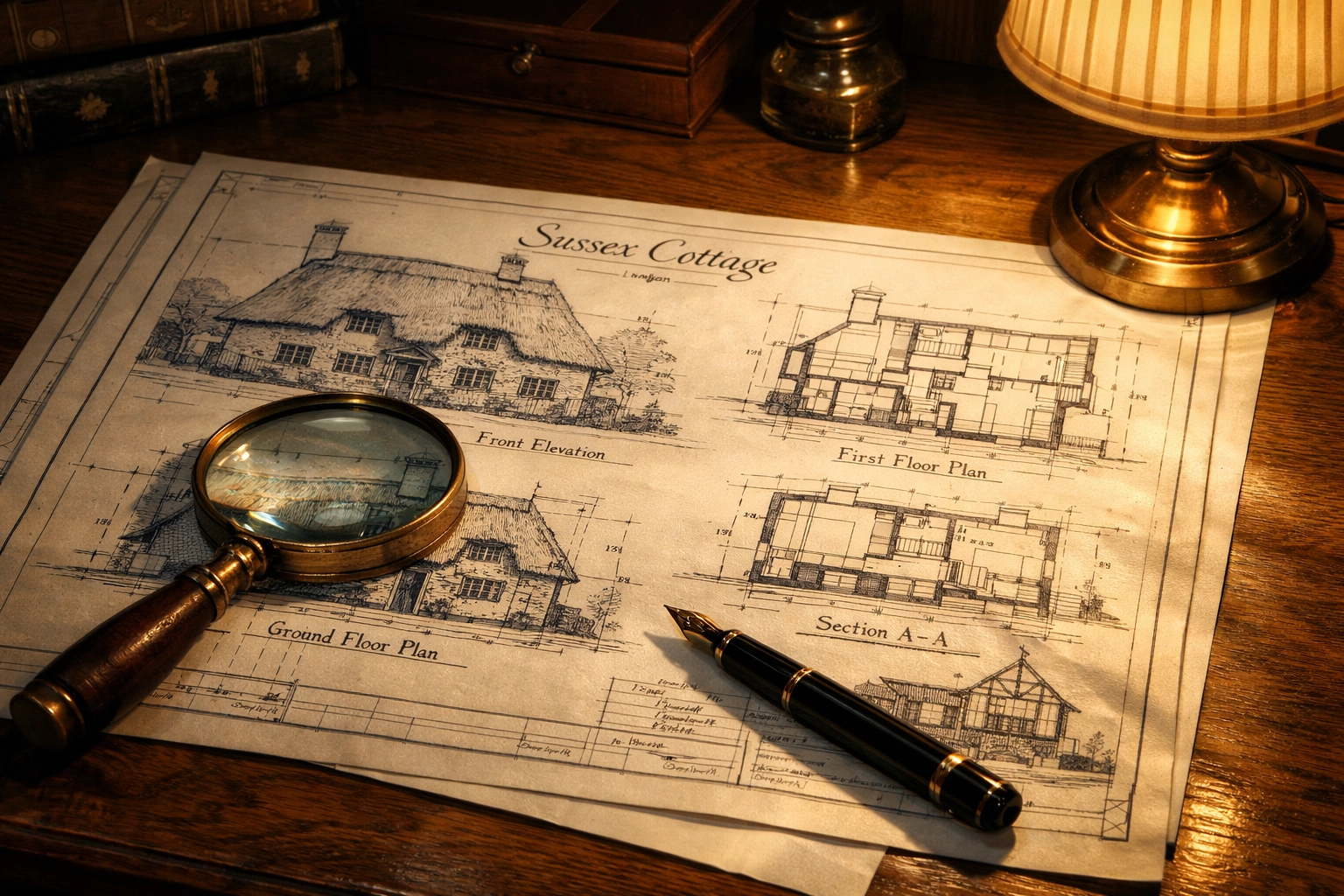
2. DO Prioritize Listed Building Consent (LBC)
If you take away only one piece of advice from this guide, let it be this: Listed Building Consent is mandatory for almost all work.
Unlike standard planning permission, LBC is required for any internal or external alterations that affect the character of the building. This includes:
- Changing window frames or glazing.
- Removing or adding internal walls.
- Replacing roof materials.
- Installing new heating systems or solar panels.
- Changing the paint colour (in some specific cases).
Carrying out unauthorized work on a listed building is a criminal offence, not just a civil one. It can lead to heavy fines and the requirement to "undo" the work at your own expense. If you are unsure if your project needs approval, we recommend checking the ultimate guide to planning permission in West Sussex for a broader context on local regulations.
3. DO Embrace the "Breathability" Factor
The biggest enemy of a historic Sussex home is damp. Most buildings constructed before 1919 were designed to "breathe." They used porous materials like lime mortar, timber, and stone that allow moisture to enter and escape freely.
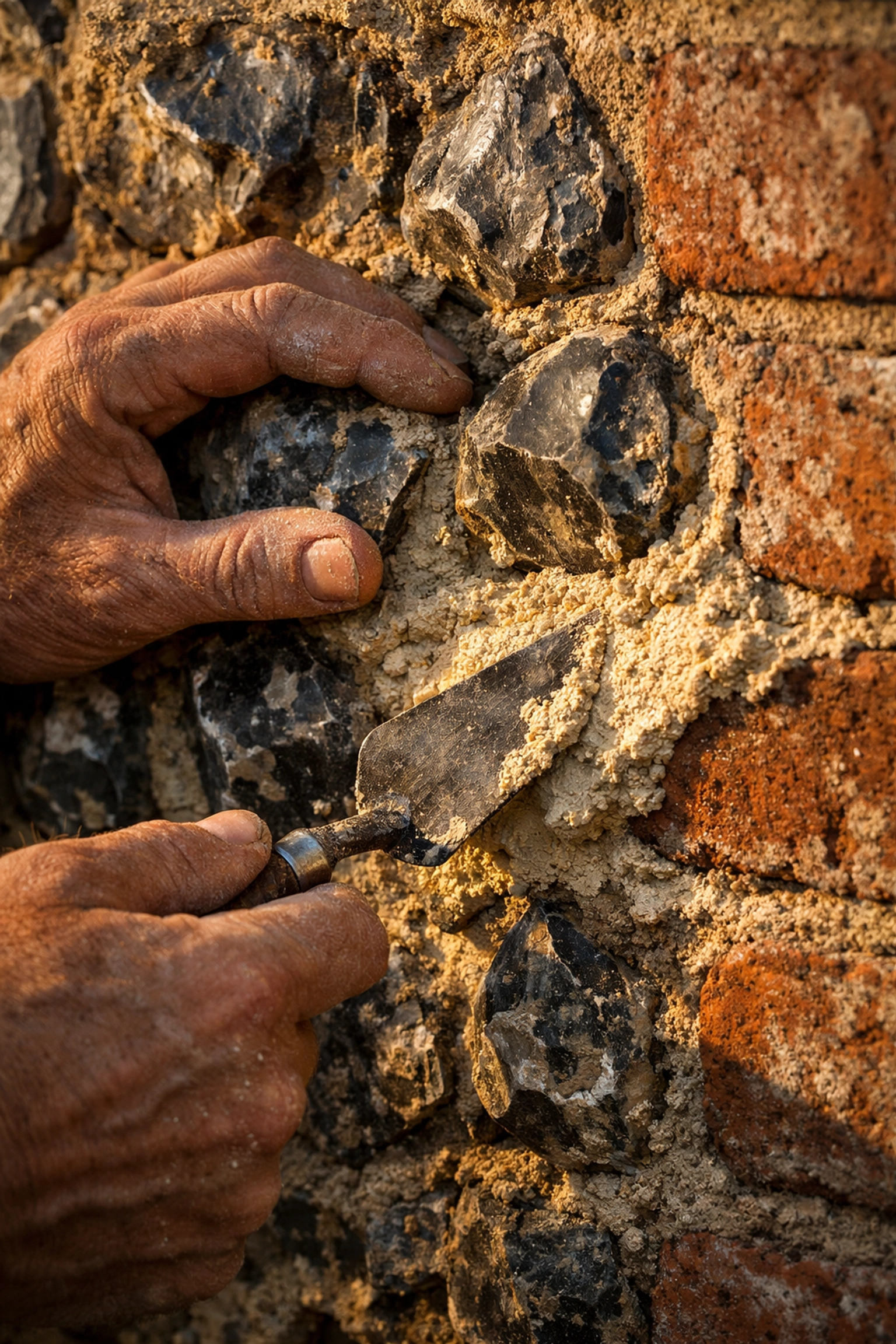
One of the most frequent mistakes we see is the use of modern cement or plastic-based paints on historic flint or brickwork. These materials "seal" the wall, trapping moisture inside and causing the stone to crumble or timber to rot.
- The Secret: Always use lime-based mortars and plasters.
- The Benefit: Not only does it protect the structural integrity of your home, but it also creates a healthier living environment by naturally regulating humidity.
4. DON’T Use Modern "Quick Fixes"
It can be tempting to use modern shortcuts to save time and money, but in a listed building, these often backfire.
- Plastic (uPVC) Windows: These are almost never allowed in listed buildings in Chichester or Arundel. They look out of place and fail to respect the building’s heritage.
- Standard Insulation: While we all want a warmer home in 2026, stuffing modern mineral wool into a 300-year-old roof without proper ventilation can lead to catastrophic rot.
- Drilling into Historic Fabric: Avoid drilling into original masonry or timber to hide wires or pipes. A skilled contractor will find "sacrificial" routes: such as through existing voids or under floorboards: to minimize damage.
5. DO Consult with Local Conservation Officers Early
Chichester District Council and Arun District Council have dedicated conservation officers whose job is to protect our local heritage. Many homeowners view them as "the people who say no," but in our 20+ years of experience, we’ve found that early engagement leads to a much smoother process.
Ask for pre-application advice. Show them your vision for a rear extension or a modernized kitchen. When they see that you are committed to using traditional materials and respecting the building’s "soul," they are far more likely to work with you to find a solution that satisfies both your needs and the law.
6. DON’T Ignore "Like-for-Like" Repairs
You might think that replacing a few rotten floorboards or repairing a window sash doesn't need consent if you are doing it "like-for-like." While minor maintenance is often exempt, the definition of "like-for-like" is incredibly narrow.
If you use a different species of timber or a different profile of moulding, you could be in breach of regulations. Always document your repairs with photos and, if possible, get a written confirmation from your local authority that the work is considered maintenance rather than an alteration.
7. DO Hire Specialist Contractors
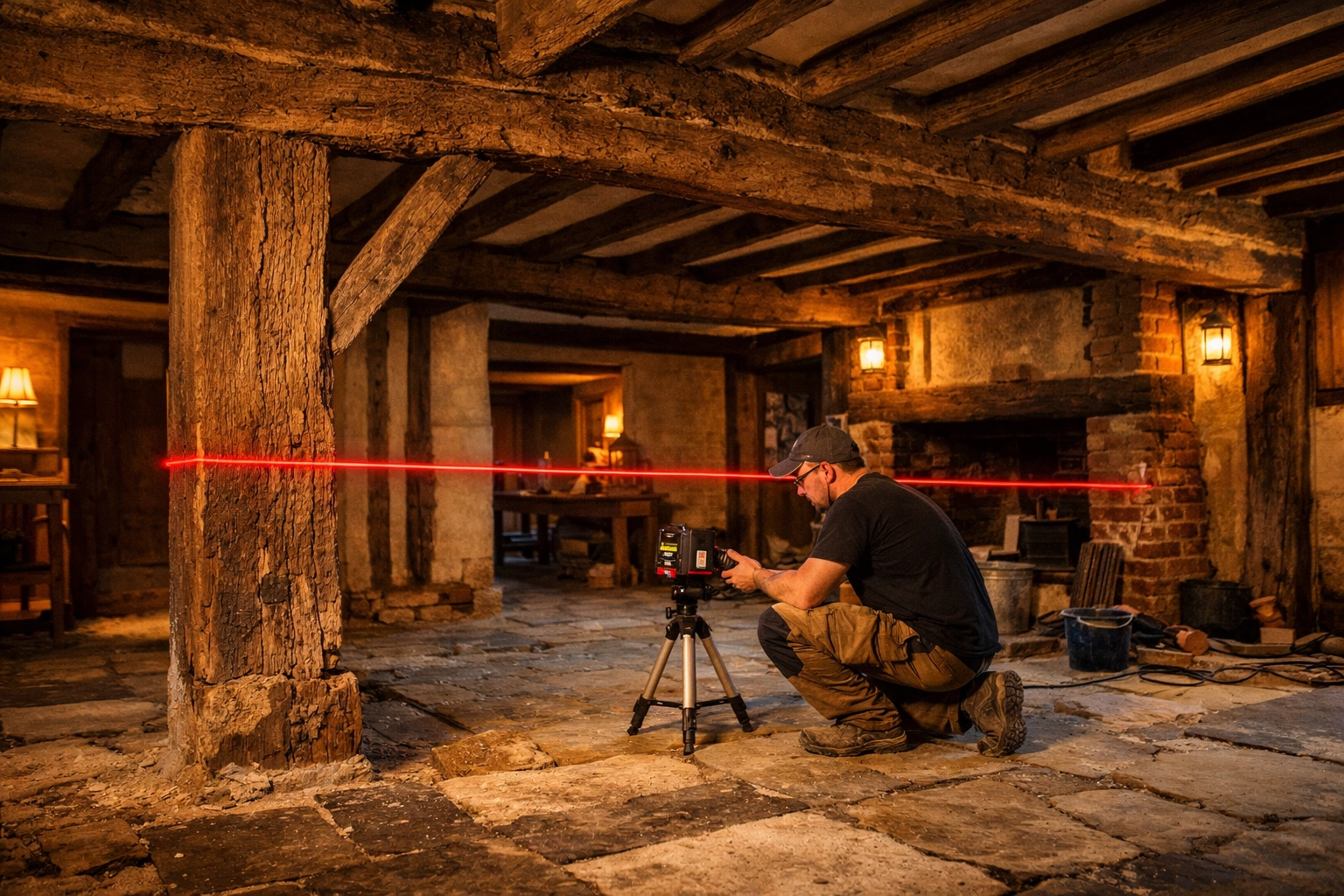
A listed building is not the place for a general builder who primarily works on modern housing estates. You need a team that understands the nuances of historic West Sussex architecture.
At Swanbourne Construction Ltd, we pride ourselves on being trusted builders in Bognor Regis and West Sussex with a deep respect for period properties. We know how to work with flint, how to source reclaimed Sussex peg tiles, and how to integrate modern services like underfloor heating without compromising a 200-year-old floor.
8. DO Focus on Reversible Changes
A key principle in heritage conservation is reversibility. If you want to add a modern feature: like a sleek glass partition or a contemporary lighting rig: try to design it so that it could be removed in the future without damaging the original historic fabric.
Conservation officers love this approach because it allows the building to evolve for the 21st century while "protecting the option" for future generations to see the building in its original state.
9. DON’T Neglect the Exterior Context
In West Sussex, the exterior of your building often contributes to a wider "Conservation Area." Whether it's the specific hue of the lime wash or the way your garden gate is constructed, your home is part of a larger historical tapestry.
- In Bognor Regis: Be mindful of how coastal salt air interacts with traditional materials. We often recommend specific lime mixes that can withstand the harsher maritime environment.
- In Arundel: The visual impact from the castle or the high street is often a major factor in what will be approved.
10. DO Prepare for the "Deep Dive"
Renovating a listed building often takes longer than a standard renovation. You may discover "surprises" behind walls: old doorways that were bricked up a century ago, or structural issues that were hidden by previous owners.
- The Strategy: Build a 15-20% contingency into your budget and timeline.
- The Reward: You might discover original features that add significant value and character to your home, such as a hidden inglenook fireplace or original oak beams.
Balancing Heritage with 2026 Living
Can you have a smart home in a Grade II listed cottage? Yes.
Can you have a luxury master suite in a Victorian terrace? Absolutely.
The secret is not in choosing between "old" and "new," but in the quality of the execution. By respecting the "Dos and Don’ts" of listed building renovation, you ensure that your home remains a valuable asset and a cherished piece of West Sussex history for years to come.
If you are planning a project and want to ensure it is handled with the care and expertise it deserves, we are here to help. At Swanbourne Construction Ltd, we don't just build; we preserve.
Ready to discuss your historic home renovation?
Get to know Swanbourne Construction and see how our 20+ years of local experience can turn your heritage project into a masterpiece. Contact us today for an initial consultation and let’s plan your home’s next chapter together.