
Living in Chichester is a unique experience. Whether you are tucked away in the narrow, winding streets of The Pallants or reside near the historic Cathedral Close, you are surrounded by centuries of architectural heritage. It’s why we love this city. However, when the time comes to update your home: perhaps to add that much-needed kitchen extension or to finally replace those drafty windows: you quickly realise that living in a Conservation Area adds a significant layer of complexity to your renovation plans.
At Swanbourne Construction Ltd, we’ve spent over 20 years navigating the specific challenges of West Sussex architecture. We know that a renovation in a conservation area isn't just a building project; it’s a balancing act between modern comfort and historical preservation. If you are planning a project, here are 10 essential things you need to know before you break ground.
1. Planning Permission is Rarely "Optional"
In many parts of the UK, "Permitted Development" (PD) rights allow homeowners to make certain changes without full planning permission. However, within Chichester’s conservation areas, these rights are often restricted or entirely removed via something called an Article 4 Direction.
This means that even minor changes: things you might assume are your right as a homeowner: require a formal application to Chichester District Council. This includes changing the colour of your front door, installing a satellite dish, or replacing a fence. Before you start dreaming of a modern glass extension, you need to check the ultimate guide to planning permission in West Sussex to understand how the local rules apply to your specific street.
2. The Exterior is Under a Microscope
The primary goal of a conservation area is to preserve the "character and appearance" of the neighbourhood. Consequently, the exterior of your home is subject to strict limitations.
- Extensions: They must be sensitive in scale and design. A massive, boxy extension that towers over your neighbours will likely be rejected.
- Roofing: Changing from traditional slate to modern concrete tiles is usually a non-starter.
- Paintwork: Even the palette of colours you choose for your exterior masonry can be regulated to ensure it fits the historical context of the street.
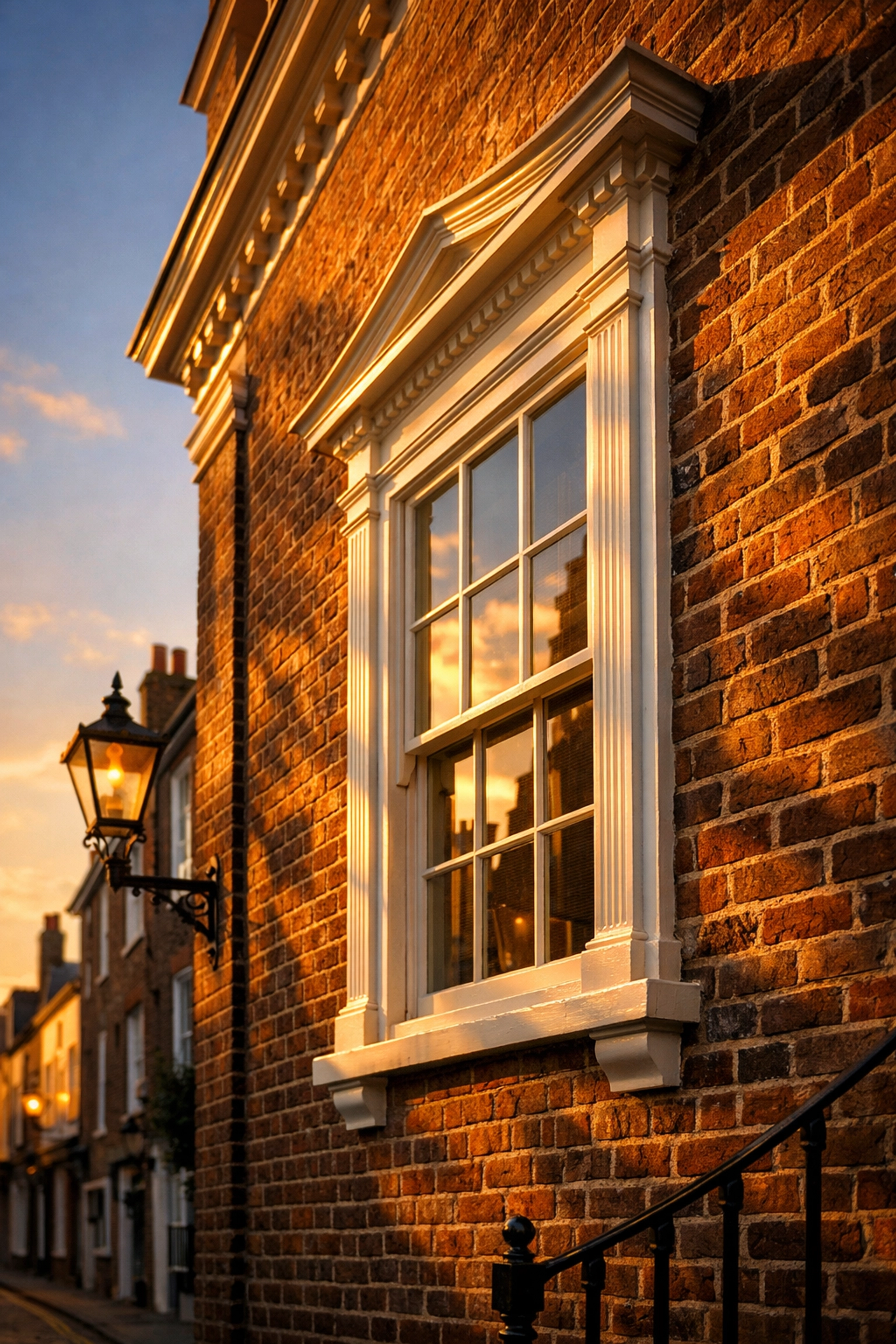
3. Materials Must Be Authentic
One of the most common pitfalls we see is homeowners underestimating the cost and availability of materials. In a Chichester conservation area, you can’t just head to a big-box DIY store and grab the cheapest bricks.
To maintain the local aesthetic, you will often be required to use:
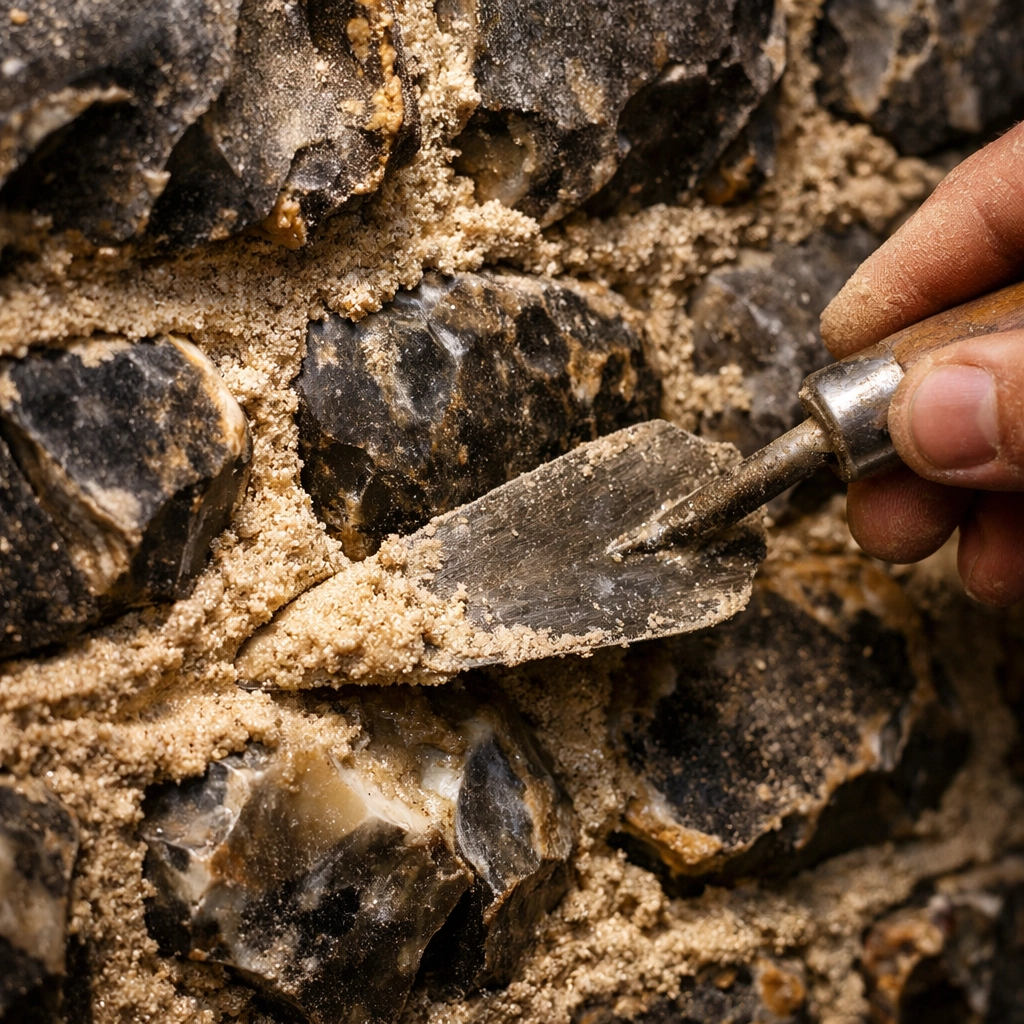
- Sussex Flint: Iconic to our region and requires specialist skill to lay correctly.
- Lime Mortar: Essential for older buildings to allow the walls to "breathe," preventing damp issues.
- Hand-made Clay Tiles: To match the weathered look of surrounding rooftops.
Using the wrong materials doesn't just look bad; it can actually damage the structural integrity of a period property and lead to enforcement action from the council.
4. The "Premium" of Windows and Doors
Windows are often described as the "eyes" of a building, and in conservation areas, the council is very protective of them. If you have original timber sash windows, the expectation is usually that you will repair rather than replace.
If replacement is the only option, you will likely be required to install bespoke timber frames that match the original profiles exactly. While modern high-quality timber windows offer excellent thermal performance, they represent a significantly higher investment than standard uPVC. Tip: Always check if slimline double glazing is permitted in your specific area; it's a great way to improve efficiency without ruining the look.
5. Maintenance Costs are Typically Higher
Maintaining a home in a conservation area is a marathon, not a sprint. Because you are often required to use specialised craftspeople (like those of us here at Swanbourne Construction Ltd) and traditional materials, the baseline cost for repairs is higher than in a modern estate.
However, regular maintenance is your best friend. In Chichester’s damp coastal climate, failing to repoint lime mortar or neglecting timber soffits can lead to expensive structural repairs down the line. It’s better to invest in high-quality upkeep now than to face a massive restoration bill later.
6. Property Value and "Heritage Stability"
While the rules can feel restrictive, there is a massive silver lining: stability. Properties within Chichester’s conservation areas often retain and grow their value better than those in non-designated areas.
Why? Because the strict rules prevent your neighbour from building a hideous, out-of-character eyesore that ruins the street scene. When you buy in a conservation area, you are buying into a guaranteed aesthetic. People pay a premium for the charm of Chichester, and your compliance with these rules helps protect your own financial investment.
7. You Are a "Custodian," Not Just an Owner
This is a mindset shift that helps many of our clients. In the eyes of the planning department and local heritage groups, you are a temporary custodian of a piece of Chichester’s history. Whether your home dates back to the Roman influence, the Georgian era, or the Victorian expansion, it is part of the city’s visual and cultural identity.
Embracing this role makes the planning process feel less like a battle and more like a collaboration. When we approach a project with the intent to enhance history rather than overwrite it, the results are always more spectacular.
8. Navigating the Conservation Officer
The Conservation Officer is the person at the council who will review your plans. They aren't there to stop you from improving your home; they are there to ensure the improvements don't harm the area.
Having a builder who knows how to speak their language is invaluable. We recommend engaging in pre-application advice. It’s a small fee that can save thousands by identifying "no-go" areas before you pay for full architectural drawings. We’ve found that showing a commitment to quality and heritage from day one goes a long way in getting your plans over the finish line.

9. Modernisation is Possible (With Creativity)
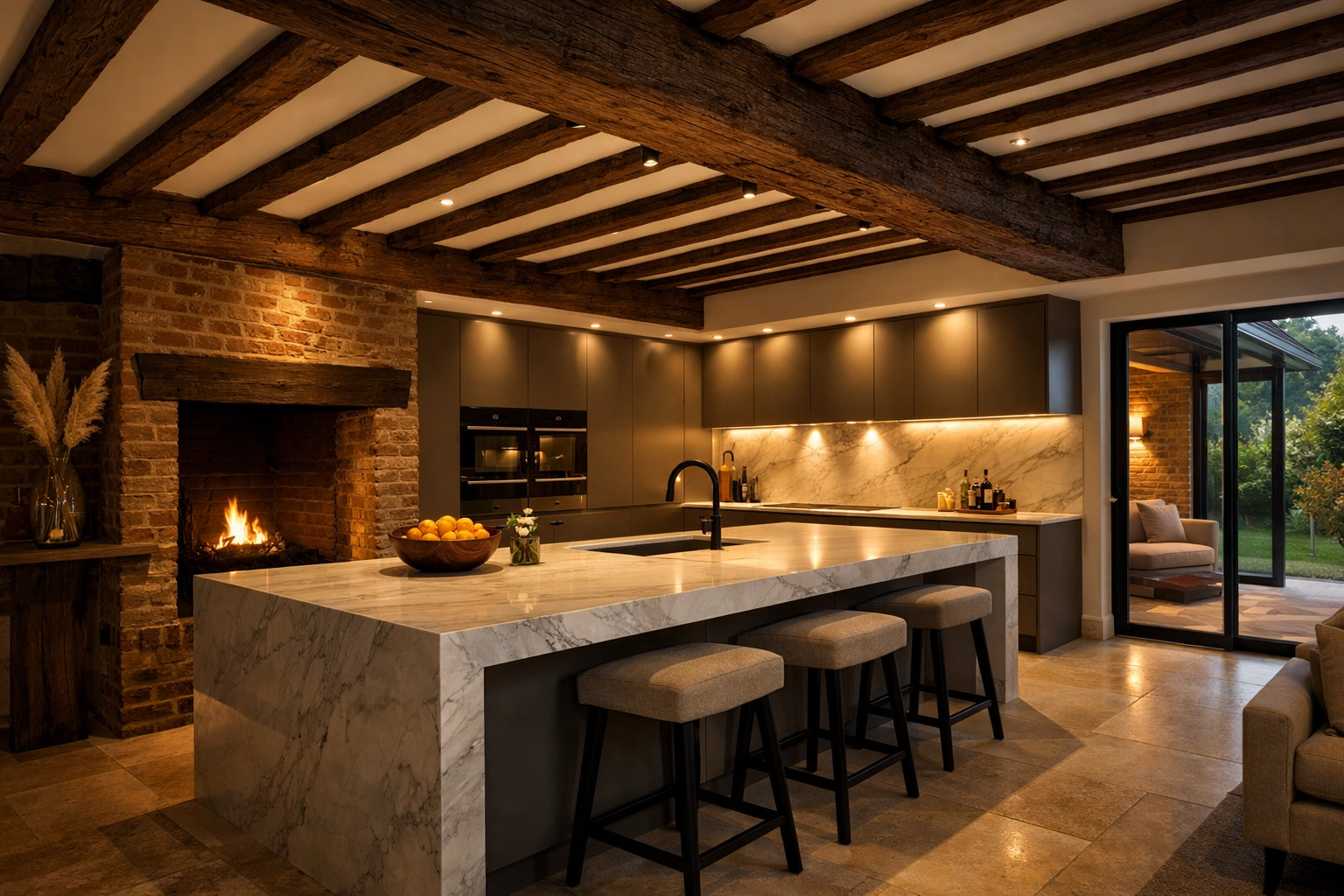
Don't think that living in a conservation area means living in a museum. You can still have a high-spec, modern lifestyle. We’ve successfully integrated:
- Underfloor heating beneath reclaimed flagstone floors.
- Hidden smart-home tech inside period-correct cabinetry.
- High-efficiency insulation tucked behind lath and plaster.
The key is "sensitive integration." It’s about making the 21st-century upgrades invisible or making them a high-quality contemporary contrast that respects the old. If you're curious about how this looks in practice, our blog on loft conversions explores how to add space without changing a roofline drastically.
10. Local Expertise is Non-Negotiable
You wouldn’t ask a general practitioner to perform heart surgery; similarly, you shouldn’t hire a builder who usually works on new-build estates to renovate a 200-year-old house in the heart of Chichester.
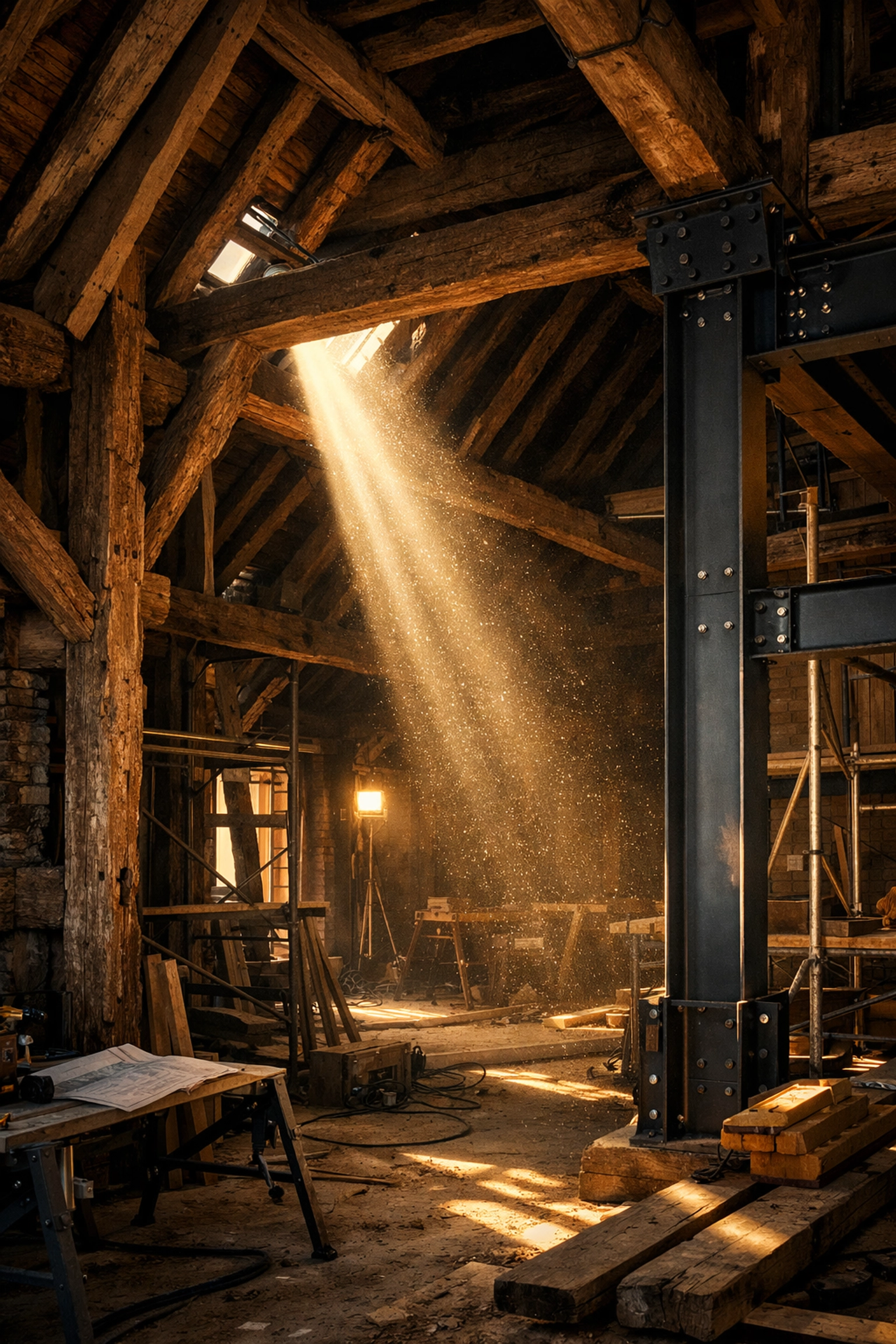
The nuances of local flintwork, the specific requirements of Chichester District Council, and the structural quirks of timber-framed buildings require experience. We have been building in Bognor Regis, Chichester, and West Sussex for over two decades. We know the local suppliers, the local regulations, and the local challenges.
Why Choose Swanbourne Construction Ltd for Your Chichester Project?
When you’re ready to transform your home, you need a partner who understands that your house is more than just bricks and mortar: it's a piece of West Sussex history. At Swanbourne Construction Ltd, we pride ourselves on a professional yet personal approach. We handle the heavy lifting, from initial consultations to the final lick of (historically appropriate) paint.
Are you worried about whether your dream extension will pass the conservation test? Or perhaps you're struggling with drafty windows and want to know your options?
Let’s talk. We offer expert advice tailored to the unique demands of Chichester’s historic districts. We don’t just build houses; we preserve the character of our community, one renovation at a time.
Ready to start your journey? Explore our latest projects or get in touch today to discuss how we can bring your vision to life while respecting Chichester’s incredible heritage.