
If you live in Bognor Regis, Chichester, or the historic streets of Arundel, you’ve likely noticed a trend. The modest, single-storey bungalows that line our coastal roads and quiet cul-de-sacs are undergoing a radical evolution. For decades, the bungalow was seen as the "forever home" for retirees, but in 2026, the narrative has shifted.
At Swanbourne Construction Ltd, we’ve spent over 20 years watching the West Sussex property market change. Today, bungalows are some of the most sought-after plots in the county: not necessarily for what they are, but for what they can become. Whether you’re a growing family needing more bedrooms or a homeowner looking to capitalise on stunning South Downs views, a bungalow transformation is often the smartest investment you can make.
But before you call the architects, there are specific nuances to "going up" in our corner of the world. Here are 10 essential things you should know about bungalow transformations in West Sussex.
1. Doubling Your Footprint Without Losing Your Garden
The most compelling reason to transform a bungalow is the math. Unlike a traditional two-storey house where an extension usually eats into your outdoor space, adding a second floor to a bungalow allows you to double your living area while keeping every square inch of your garden.
In areas like Westergate or the outskirts of Bognor Regis, where garden space is a premium, this is a game-changer. By replacing a tired roof with a full second storey or a high-spec chalet-style conversion, you can move all your bedrooms upstairs, leaving the entire ground floor free for expansive, open-plan living.
2. Capitalising on Coastal and Countryside Views
One of the hidden tragedies of the traditional West Sussex bungalow is the missed view. If you’re located near the Pagham Harbour nature reserve or on the slopes leading toward Arundel Castle, a single-storey home often keeps the best scenery hidden behind hedges or neighbouring rooftops.
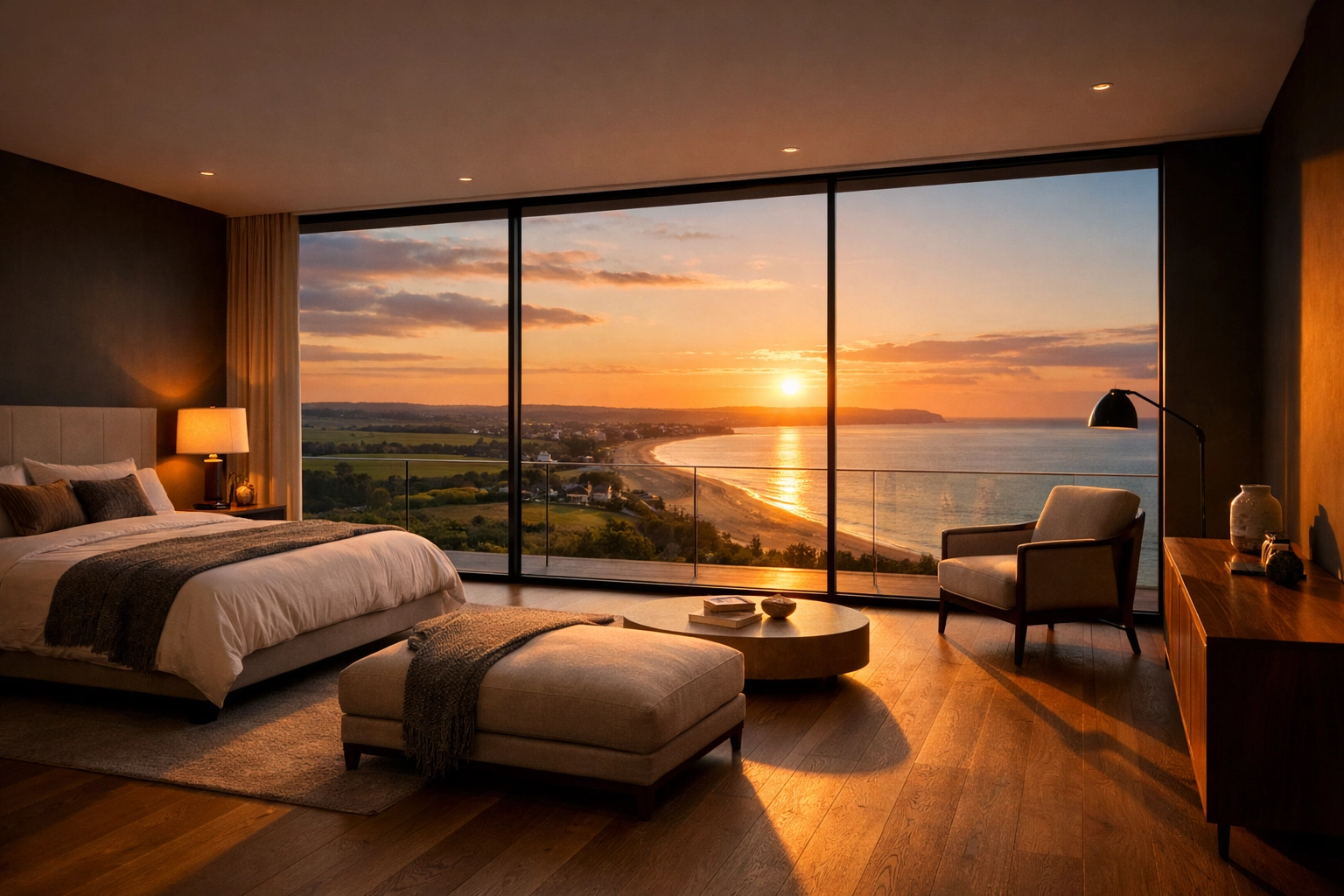
Maximising your vantage point: When we design second-storey additions, we often incorporate "upside-down living" or master suites with floor-to-ceiling glass. Imagine waking up to a panoramic view of the English Channel or the rolling hills of the South Downs. In Bognor Regis, adding a balcony to a new second floor doesn't just add space; it adds a lifestyle element that significantly boosts property value.
3. Navigating the Chichester and Arundel Planning Maze
West Sussex is beautiful because it is protected, but those protections mean planning permission can be nuanced. If your bungalow is within the Chichester City conservation area or the shadows of Arundel’s historic centre, a transformation requires a delicate touch.
The Swanbourne Edge: Having worked with builders in Chichester for over two decades, we understand the local planning authorities' preferences. They often look for designs that respect the "street scene." This might mean using traditional flint-work details in Arundel or specific roof pitches that match the local vernacular. We don't just build; we navigate the red tape to ensure your dream project doesn't stall at the first hurdle.
4. Structural Integrity: Can Your Walls Handle the Weight?
This is the technical hurdle that many homeowners overlook. A standard 1960s bungalow was designed to hold up a wooden roof, not a three-bedroom second floor with en-suites and heavy furniture.
Before the first hammer swings, we conduct a deep-dive structural assessment. Can your existing foundations support the extra load? In many cases, we integrate steel goalpost frames to transfer the weight of the new floor directly to the ground, bypassing the original walls if necessary. It sounds complex, but with the right team, it’s a standard part of the house extensions West Sussex process.
5. From Dark Corridors to Light-Filled Atriums
Original bungalow layouts are notorious for long, dark central hallways: the "rabbit warren" effect. A transformation is your chance to fix this.
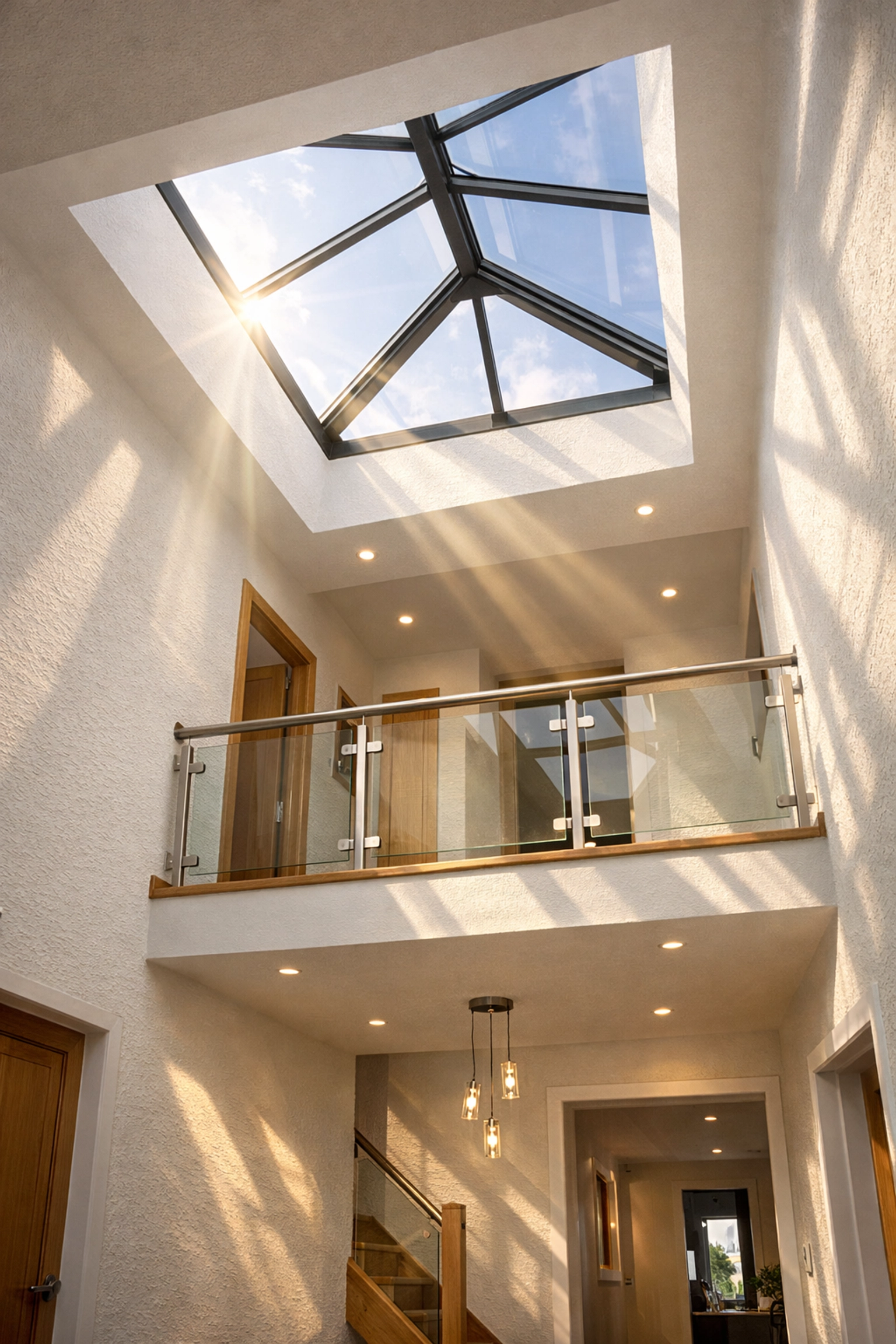
The power of the vaulted ceiling: When we remove the old roof, we have a blank canvas. Many of our clients in Bognor and Chichester opt for a double-height entrance hall or a "gallered landing." By using strategically placed roof lanterns and skylights, we can flood the centre of your home with natural light, making the entire property feel more modern and expensive.
6. Embracing the 2026 Energy Standards
If you’re renovating in 2026, "doing enough" is no longer enough. Energy costs and environmental standards mean that a bungalow transformation is the perfect time to future-proof your home.
Because we are essentially opening up the structure, it becomes incredibly cost-effective to install high-performance insulation, solar thermal systems, or air-source heat pumps. A transformed bungalow often ends up being 60-70% more energy-efficient than the original structure, saving you thousands in the long run. We often recommend exploring triple glazing as part of these upgrades, especially for homes exposed to the coastal winds in Bognor.
7. Modern Aesthetics: Cladding and Character
A bungalow transformation isn't just about space; it’s about a total identity shift. You can take a dated, pebble-dashed 1970s property and turn it into a contemporary masterpiece.
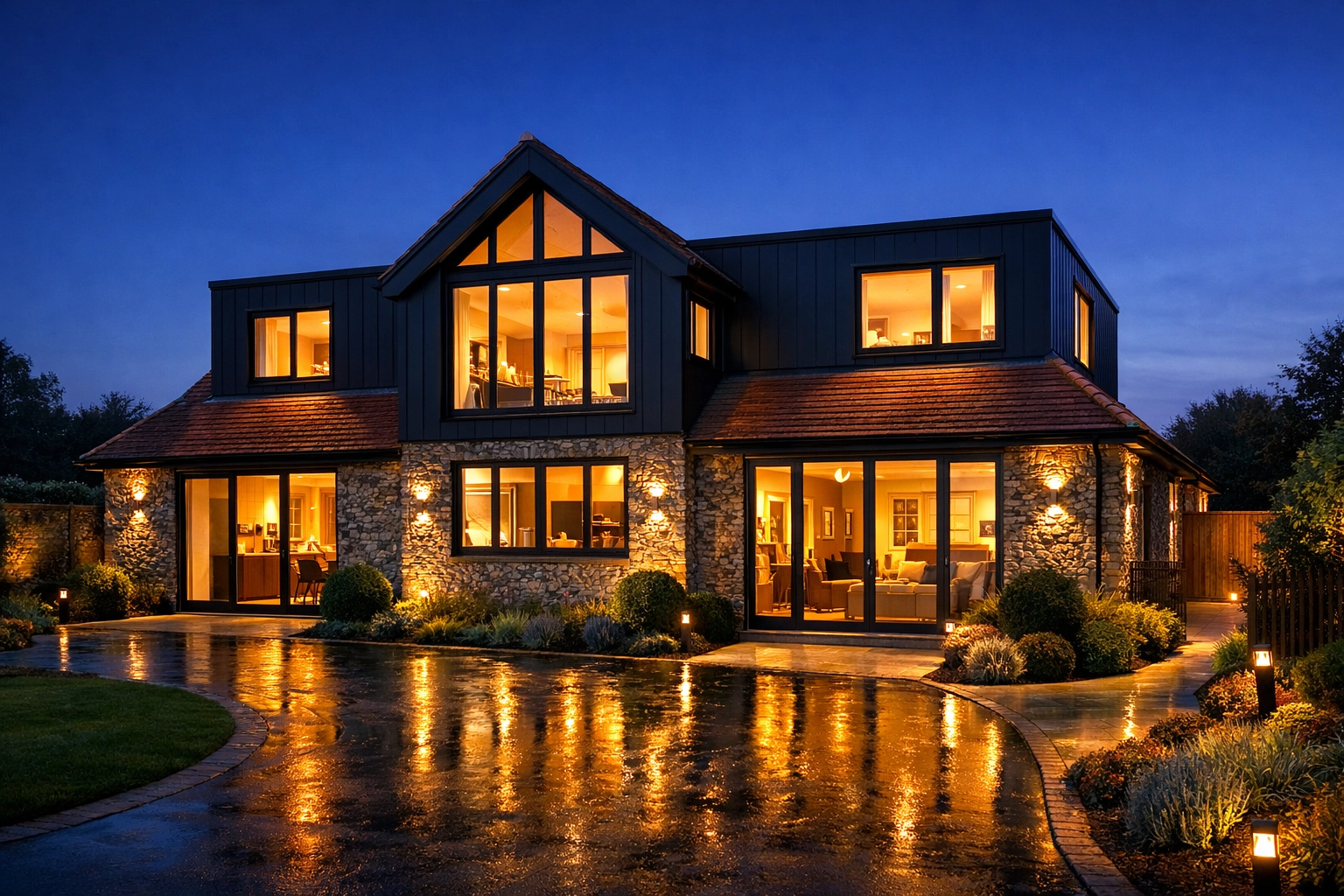
Material choices: In West Sussex, we’re seeing a huge rise in the use of Cedral cladding (which mimics wood but survives the salty sea air of Bognor) and grey aluminium window frames. Mixing these modern materials with traditional Sussex flint or red brick creates a home that stands out for all the right reasons. Check out our previous projects to see how dramatic these exterior changes can be.
8. Living Through the Build: The Reality
We’re always honest with our clients: a full bungalow transformation is a major undertaking. If we are removing the roof to add a second floor, the property will, for a time, be open to the elements (under heavy-duty scaffolding and tin-hat coverage).
While some homeowners choose to stay in a partitioned section of the ground floor, most find that moving out for 4-6 months makes the process faster and less stressful. We coordinate our timelines meticulously to ensure that "roof-off" to "watertight" happens in the shortest window possible, protecting your home from the unpredictable British weather.
9. The Financial Logic: Cost vs. Value
Is it cheaper to move or to transform? In the current West Sussex market, the costs of stamp duty, estate agent fees, and legal bills for a larger home in Chichester or Arundel can easily top £40,000–£50,000 before you’ve even bought a new rug.
By investing that "moving money" into your existing bungalow, you are creating equity. A four-bedroom house in a prime Bognor Regis or Chichester location is worth significantly more than a two-bedroom bungalow on the same plot. You aren't just spending money; you are shifting your asset into a higher price bracket.
10. Choosing a Partner with Local Pedigree
A bungalow transformation is one of the most complex residential builds because it combines renovation, extension, and new-build techniques. You need a team that understands the local soil (like the clay in parts of Chichester), the local weather, and the local trades.
At Swanbourne Construction Ltd, we don't just provide builders; we provide a partnership. With over 20 years of experience, we’ve seen every challenge a West Sussex bungalow can throw at us. From initial structural surveys to the final lick of paint, we manage the process so you can focus on the exciting part: choosing your new views.
Ready to Look Up?
If your current home is feeling a little tight, don't assume you need to leave the neighbourhood you love. Whether you’re in Bognor, Chichester, or Arundel, the potential sitting right above your head is likely greater than you imagine.
A bungalow transformation is more than just an extension; it’s a second chance for your home to become everything you need it to be.
Want to explore what’s possible for your property?
Browse our loft conversions page for inspiration, or if you're ready to discuss the structural possibilities of adding a second floor, contact us today for an expert consultation. Let’s see how far your home can grow.