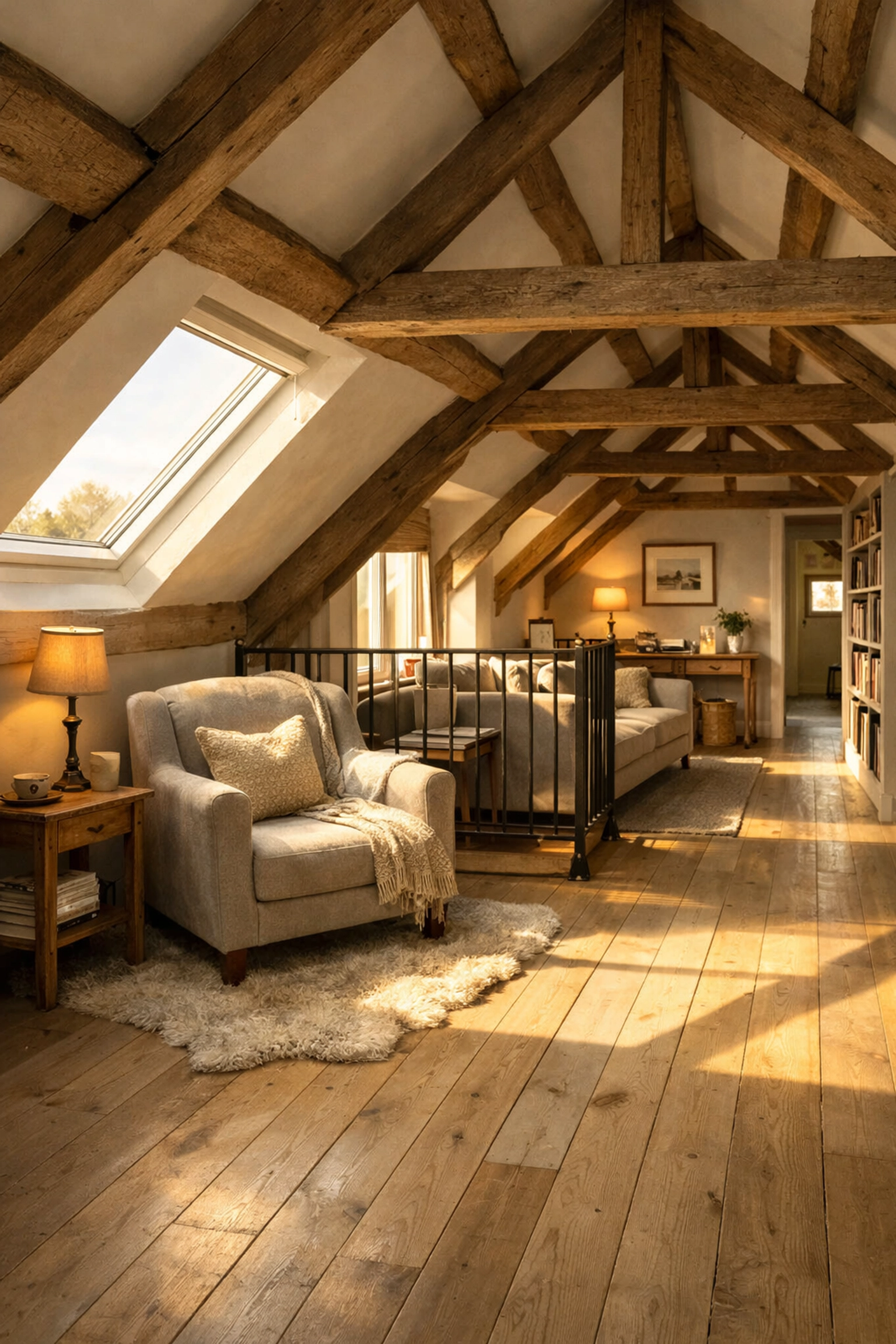
If you're a homeowner in Bognor Regis, Chichester, or Arundel, you've probably looked up at your loft space and wondered: Could this be our new bedroom? Home office? Or that playroom the kids desperately need? You're not alone. With property prices still climbing across West Sussex and the cost of moving higher than ever, loft conversions have become one of the smartest ways to add space and value without leaving the neighbourhood you love.
But here's the thing: building regulations can feel like a minefield, especially with updates that came into force in 2026. The good news? Once you understand what's actually required, the process becomes far less daunting. Let's break down exactly what the 2026 Building Regulations mean for your loft conversion project, and why getting it right from the start matters more than you might think.
The Big Distinction: Planning Permission vs Building Regulations
First, let's clear up the confusion that trips up most homeowners. Planning permission and Building Regulations are two completely different beasts, and understanding this distinction will save you headaches down the line.
Planning permission is about how your conversion affects the external appearance of your home and its impact on neighbours. The brilliant news for most West Sussex homeowners? Your loft conversion will likely qualify as "permitted development," meaning you can proceed without formal planning permission, provided your design stays within volume limits (40m³ for terraced houses, 50m³ for semi-detached or detached properties) and doesn't significantly alter the roofline at the front.
However, there are important exceptions. If your property is in a Conservation Area (common in parts of Chichester and Arundel), is a listed building, or is leasehold, you'll need to obtain planning permission. Always get written confirmation from your local planning authority before starting work.
Building Regulations approval, on the other hand, is mandatory for every single loft conversion, no exceptions. This isn't bureaucratic red tape; it's about ensuring your new living space is structurally sound, fire-safe, and properly insulated. At Swanbourne Construction, we've seen firsthand the problems that arise when homeowners skip this crucial step, and trust us, the consequences aren't worth it.
What the 2026 Building Regulations Actually Cover
The current Building Regulations focus on three critical areas that directly impact your loft conversion in West Sussex:
Part A: Structural Integrity
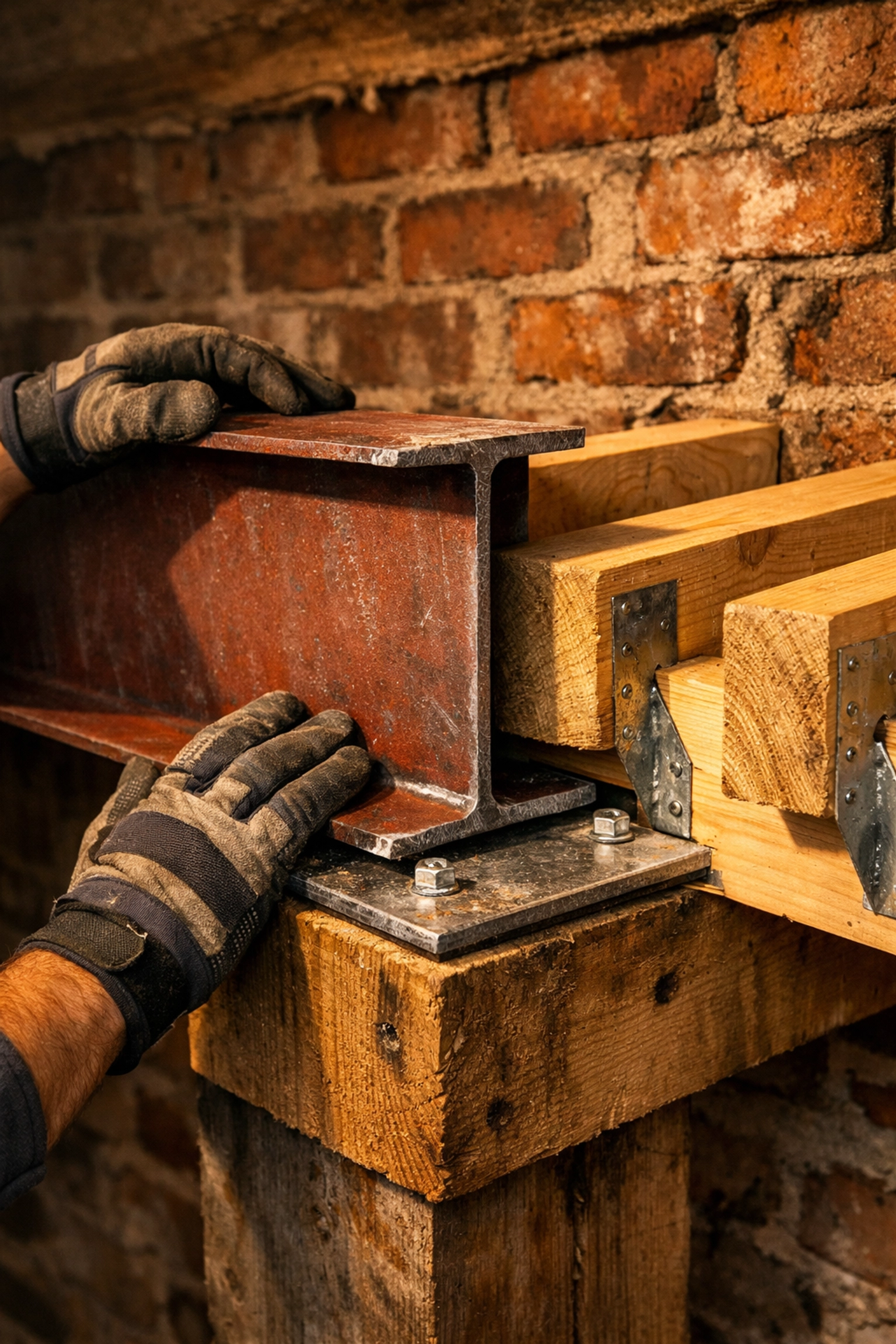
Your existing ceiling joists weren't designed to support a habitable room, they're only meant to hold up the ceiling below. This means you'll need new load-bearing joists designed and certified by a qualified structural engineer. Depending on your property's age and construction, this might also involve installing steel beams (RSJs) to distribute the load properly.
If you live in a terraced or semi-detached property in Bognor Regis, you'll also need to consider the Party Wall Act. Before inserting any beams into shared walls, you must notify your neighbours, it's a legal requirement, not just good manners.
Part B: Fire Safety (This Is Non-Negotiable)
Fire safety regulations have become increasingly stringent, and for good reason. Your loft conversion must include:
- Fire-resistant materials throughout the construction
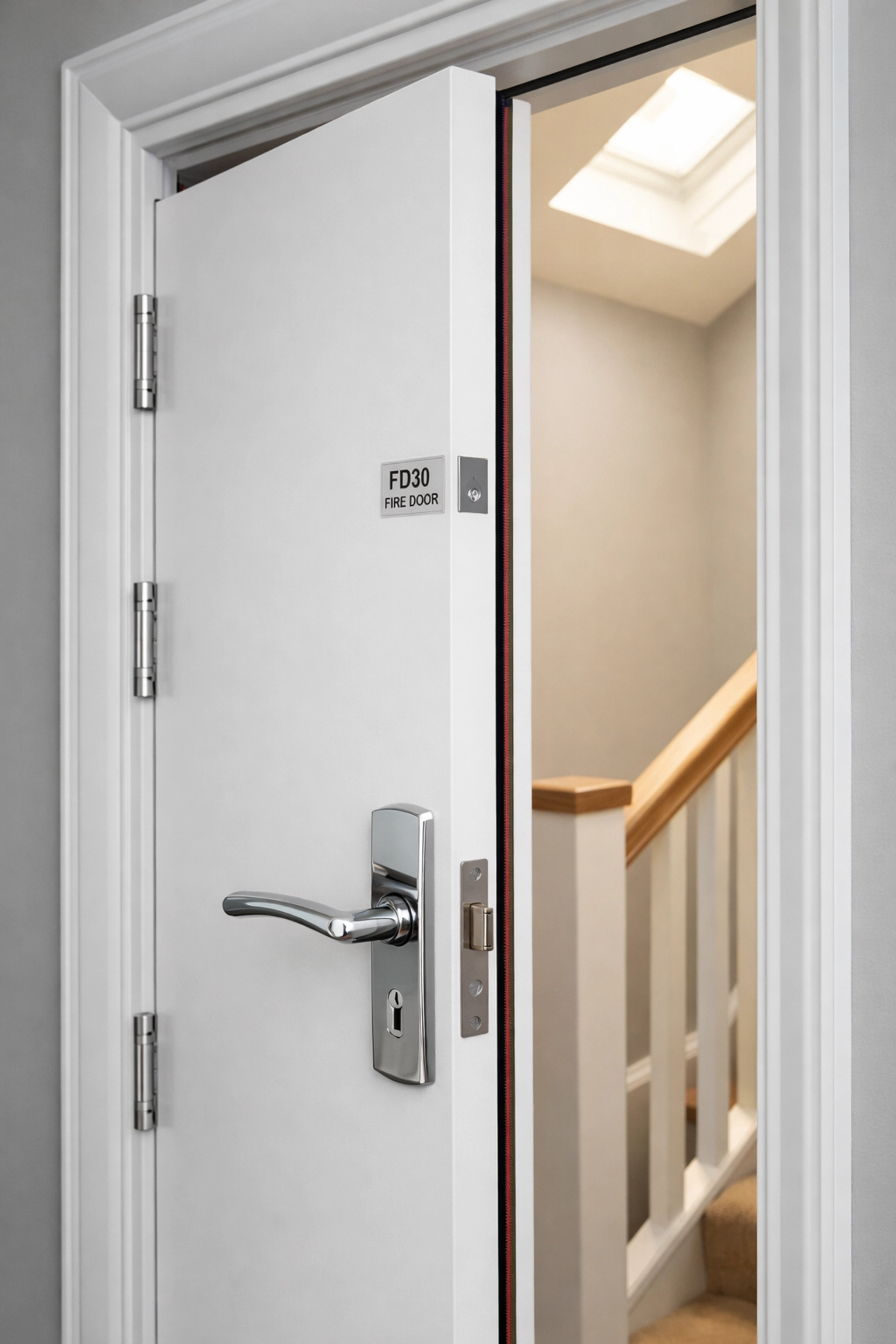
- FD30 fire doors (30-minute fire rating) on every floor level
- Interlinked mains-powered smoke alarms that communicate with each other
- A protected escape route with fire-resistant construction from your new loft space all the way to your front door
Here's where many DIY projects fall short: your staircase matters enormously. You need a fixed staircase with a maximum pitch of 42 degrees, a continuous handrail, and at least 2 metres of headroom. Those pull-down loft ladders? Not compliant for habitable loft conversions.
For two-storey homes and bungalows in West Sussex, there's some flexibility: escape windows can serve as alternative exits if they're positioned less than 4.5 metres from ground level. But for three-storey properties (which your home becomes once you convert the loft), the requirements are stricter.
Part L: Insulation and Energy Efficiency
The 2026 regulations place heavy emphasis on energy efficiency, which is actually brilliant news for your energy bills. Your loft conversion must meet stringent insulation standards, including:
- Proper insulation in the roof structure
- Adequate ventilation to prevent condensation and moisture problems
- Energy-efficient windows and skylights
Yes, this adds to your upfront costs, but consider this: a properly insulated loft conversion can significantly reduce your heating bills while making your new space comfortable year-round. In West Sussex, where we experience everything from coastal winds to surprisingly warm summers, this matters.
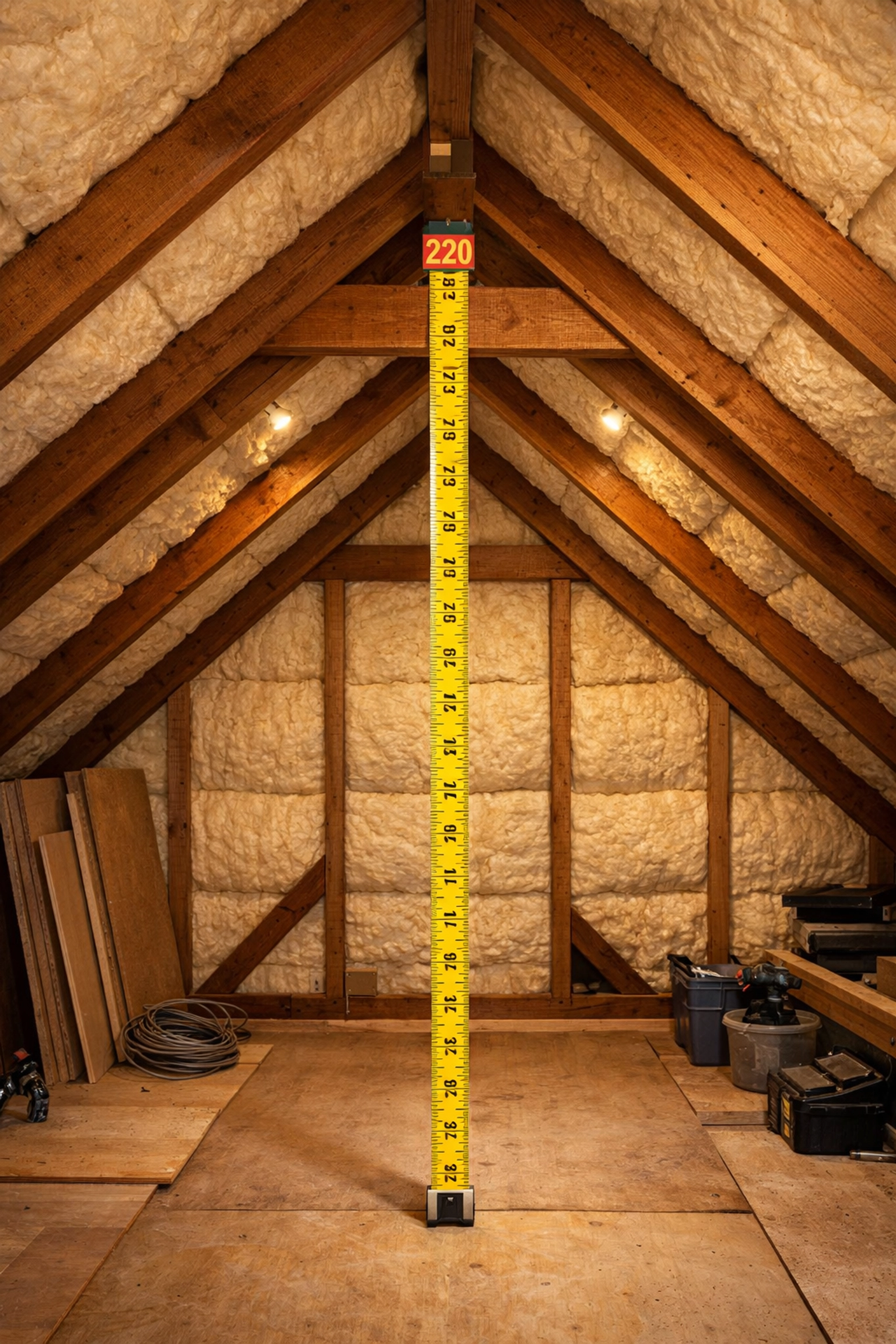
Why Your Loft Needs to Be at Least 2.2 Metres High
One question we get asked constantly: "Will my loft be high enough to convert?" The minimum height requirement is 2.2 metres, measured from the top of your existing floor joists to the underside of your roof structure. This isn't arbitrary, it's about creating a space where you can actually stand up and move around comfortably.
If your loft doesn't quite meet this requirement, don't despair. Depending on your roof type and property, there are solutions like dormer conversions or hip-to-gable conversions that can create the necessary headroom.
The Three Most Common Loft Conversion Types in West Sussex
Different conversion approaches trigger different regulatory demands:
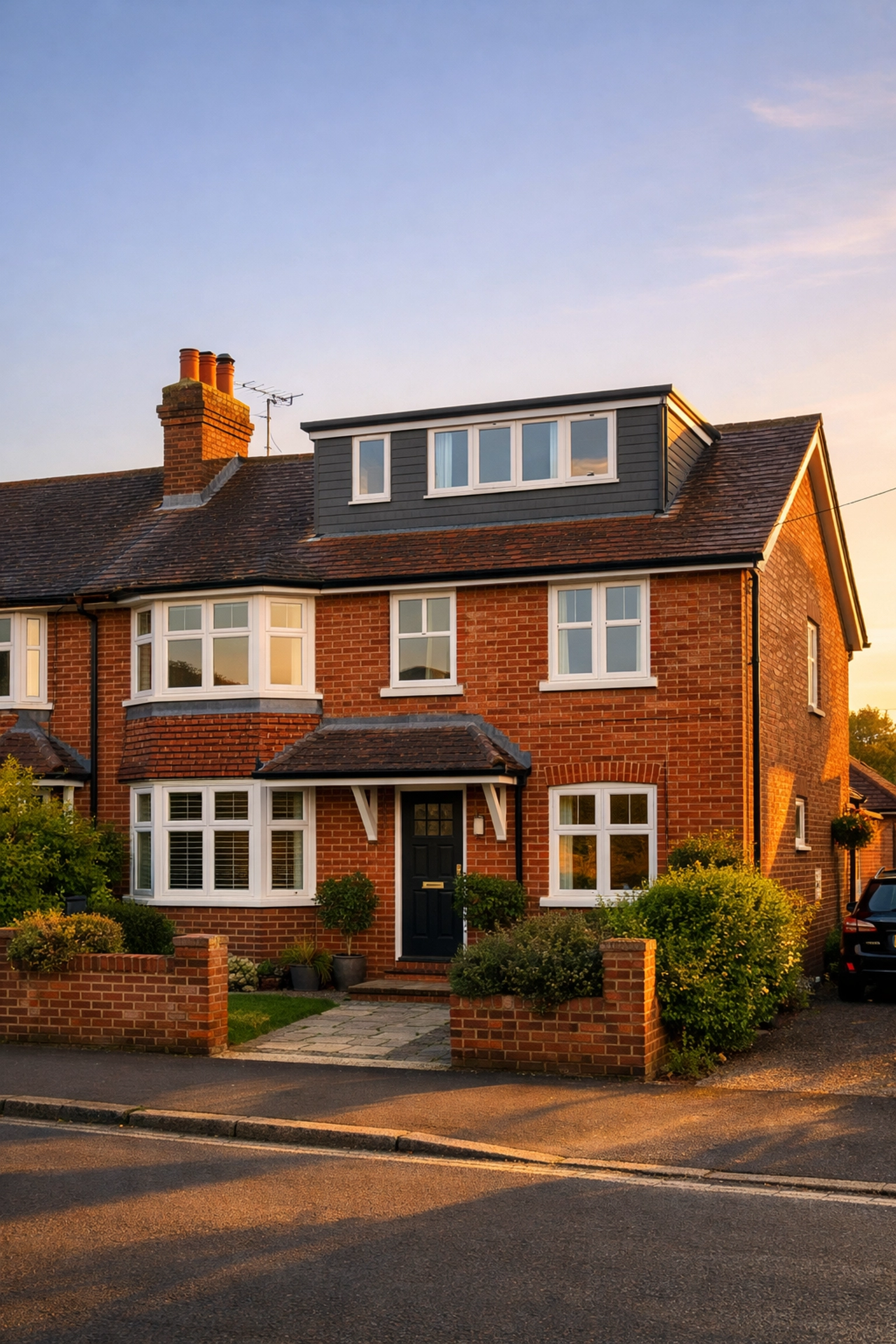
Dormer Conversions are extremely popular across Bognor Regis and Chichester because they maximise usable space. These involve cutting into the roof and building out a box-like structure with vertical walls. You'll need fire-rated dormer walls and careful attention to waterproofing, critical in our coastal climate.
Hip-to-Gable Conversions work beautifully for 1930s semi-detached homes (there are thousands across West Sussex). This approach converts the sloping side of your roof into a vertical gable end, dramatically increasing floor space. The structural work is more complex, but the results are spectacular.
Velux or Rooflight Conversions are the least invasive option. If your loft already has sufficient headroom, adding skylights might be all you need. These still require full Building Regulations compliance for fire safety and insulation, but the structural complexity is significantly lower.
At Swanbourne Construction, we help you determine which approach works best for your specific property and budget during our initial consultation.
The Approval Process: Full Plans vs Building Notice
You have two routes for obtaining Building Regulations approval:
Full Plans (recommended for most loft conversions): You submit detailed architectural drawings and structural calculations before work begins. Your local building control authority reviews everything, and once approved, you have a clear roadmap. This approach costs slightly more upfront but provides certainty and reduces the risk of expensive surprises mid-project.
Building Notice (for simpler projects): You give notice that you're starting work without submitting detailed plans. Building control inspects at key stages and can require changes if they spot issues. This sounds flexible, but it can actually create delays and uncertainty.
For loft conversions in Bognor Regis, we typically recommend the Full Plans route. It means your project runs smoother, your building control inspections go faster, and you're far less likely to encounter compliance issues that halt construction.
The Document That Makes or Breaks Your Property Sale
Here's what many homeowners don't realise until they try to sell: without a Building Regulations Completion Certificate, you cannot legally classify your loft conversion as habitable living space. This can knock thousands off your property value or even collapse a sale entirely when your solicitor can't provide the documentation.
Your local authority has four years to take enforcement action if they suspect non-compliance. After this period, your conversion is considered "lawful," though obtaining a Certificate of Lawfulness is highly advisable for future sales. The stakes are high: failure to comply can result in unlimited fines and enforcement notices requiring you to remove the work entirely.
We've helped several West Sussex homeowners rescue botched loft conversions completed by unlicensed contractors. It's always more expensive to fix than doing it right the first time.
Why Working with Experienced Local Builders Matters
Building regulations aren't just a box-ticking exercise, they're designed to protect you and your family. At Swanbourne Construction, we work with Building Control throughout your project, scheduling inspections at critical stages:
- Foundation and structural work inspection
- Fire safety measures inspection
- Insulation and ventilation inspection
- Final completion inspection
Our experience with properties across West Sussex means we understand local building control requirements inside and out. We know which structural solutions work best for Victorian terraces in Chichester, 1930s semis in Bognor Regis, and modern detached homes in Arundel.
Your Next Step
Planning a loft conversion shouldn't feel overwhelming. Yes, Building Regulations are comprehensive, but they exist to ensure your investment is safe, compliant, and adds genuine value to your home.
The smartest move? Get professional advice early. Before you start browsing Pinterest for design inspiration, have a qualified builder assess whether your loft is suitable for conversion and what regulatory requirements you'll face.
We offer free, no-obligation consultations for homeowners throughout West Sussex. We'll visit your property, assess your loft space, discuss your vision, and provide a clear picture of what's involved: including realistic costs and timelines. Want to explore what's possible for your home? Get in touch with Swanbourne Construction today, and let's turn that unused loft space into the room you've been dreaming about.