
There is something undeniably special about owning a home in the heart of West Sussex. Whether it’s a flint-walled cottage tucked away in the shadow of Arundel Castle or a Georgian townhouse within the Roman walls of Chichester, these properties aren't just buildings; they are pieces of history.
However, as many local homeowners discover, that historic charm comes with a unique set of responsibilities. If you are planning a renovation, an extension, or even a seemingly simple window replacement, you aren't just dealing with standard building regulations. You are the custodian of a Conservation Area.
At Swanbourne Construction Ltd, we’ve spent over 20 years navigating the delicate balance between modern luxury and heritage preservation. We know that the "red tape" can feel overwhelming, but it doesn’t have to stall your dreams. Here are 10 essential things you need to know before you pick up a sledgehammer in Chichester or Arundel.
1. The Meaning of 'Conservation' Goes Beyond the Walls
A Conservation Area is designated because of its "special architectural or historic interest." In Chichester and Arundel, this doesn't just apply to the buildings themselves, but to the entire character of the area: including trees, open spaces, and even the paving under your feet.
When you apply for planning permission, the council isn't just looking at your house; they are looking at how your proposed changes affect the "street scene." Will your new extension in Chichester obscure a historic view of the Cathedral? Will your choice of brick clash with the surrounding 18th-century masonry? Understanding that your home is part of a wider visual narrative is the first step to a successful application.
2. Article 4 Directions: The End of 'Permitted Development'
In most parts of the UK, you can perform certain minor works: like changing a door or adding a small porch: under "Permitted Development" (PD) rights. However, many parts of Chichester and Arundel are subject to Article 4 Directions.
These directions specifically withdraw your PD rights. This means you might need formal planning permission for things you’d never expect, such as:
- Replacing a front door.
- Painting exterior brickwork that has never been painted before.
- Installing a satellite dish.
- Removing a chimney stack.
Before you start any work, it is vital to check with the local planning authority or consult with experienced builders in Arundel who understand the specific Article 4 nuances of your street.
3. Windows Are the 'Eyes' of Your Home
If there is one thing conservation officers are most protective of, it’s windows. In a historic West Sussex street, the rhythm of the windows defines the character of the terrace.
The Golden Rule: Like-for-like is the goal. If you have original timber sash windows, the council will almost certainly insist on timber replacements. While uPVC technology has improved significantly by 2026, many conservation areas still strictly forbid it on any elevation visible from a public highway.
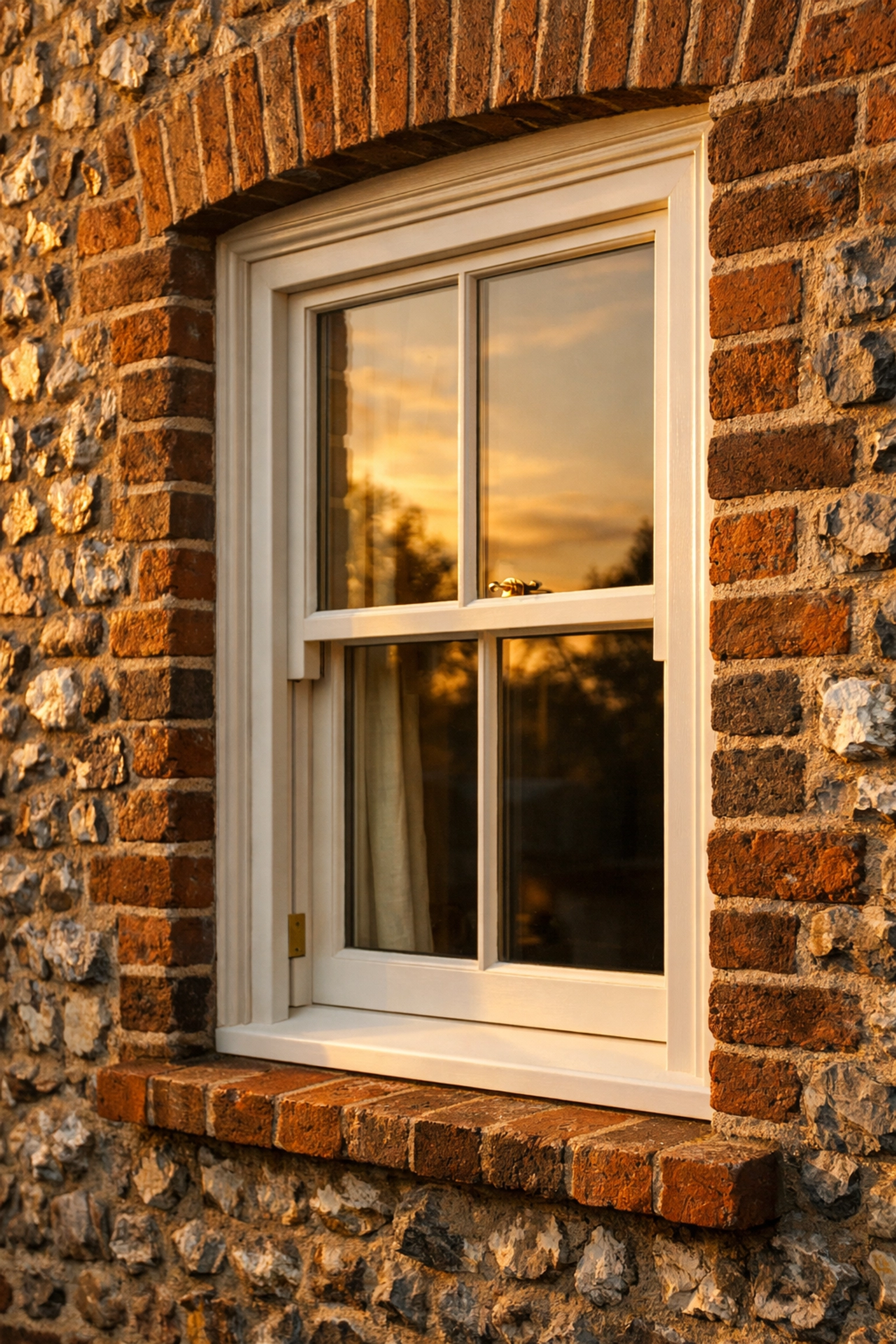
You may need to look into slimline double glazing, which offers modern thermal efficiency while mimicking the thin profile of historic single glazing. It’s a specialized area, but getting it right adds massive value to your property.
4. The 'Like-for-Like' Myth
You might hear people say, "If I’m replacing it with the same thing, I don’t need permission." This is a dangerous assumption.
Even if you are using the same materials, the method of construction or the slight change in aesthetic can trigger a requirement for consent. For example, replacing handmade clay roof tiles with machine-made versions might seem like a "like-for-like" swap to a layman, but to a conservation officer, it completely changes the texture and "soul" of the roofline. Always verify your plans with a professional before ordering materials.
5. You Will Likely Need Specialist Materials
Standard "off-the-shelf" materials from a national builders' merchant rarely cut it in the heart of Arundel or Chichester. To maintain the integrity of the area, you may be required to source:
- Chalk flint for traditional Sussex walling.
- Lime mortar instead of modern cement (which allows old bricks to "breathe").
- Hand-cast lead for flashing and guttering.
- Reclaimed materials to match existing weathered textures.
Because we’ve been builders in Chichester for two decades, we’ve built a network of local suppliers who specialize in these heritage materials. It may cost more upfront, but the result is a home that looks like it has belonged there for centuries.
6. Energy Efficiency vs. Heritage
In 2026, we are all conscious of our carbon footprint and rising energy costs. But how do you make a drafty Georgian home energy efficient without ruining its character?
The good news is that local authorities are becoming more pragmatic. Solar panels, for instance, are increasingly allowed, provided they are placed on "non-prominent" roof slopes (usually the back of the house). Internal wall insulation and high-spec loft conversions are also excellent ways to boost efficiency. If you’re considering a loft conversion in Arundel, we can help you design a space that meets modern thermal standards while respecting the historic roof structure.
7. The Importance of Professional Drawings
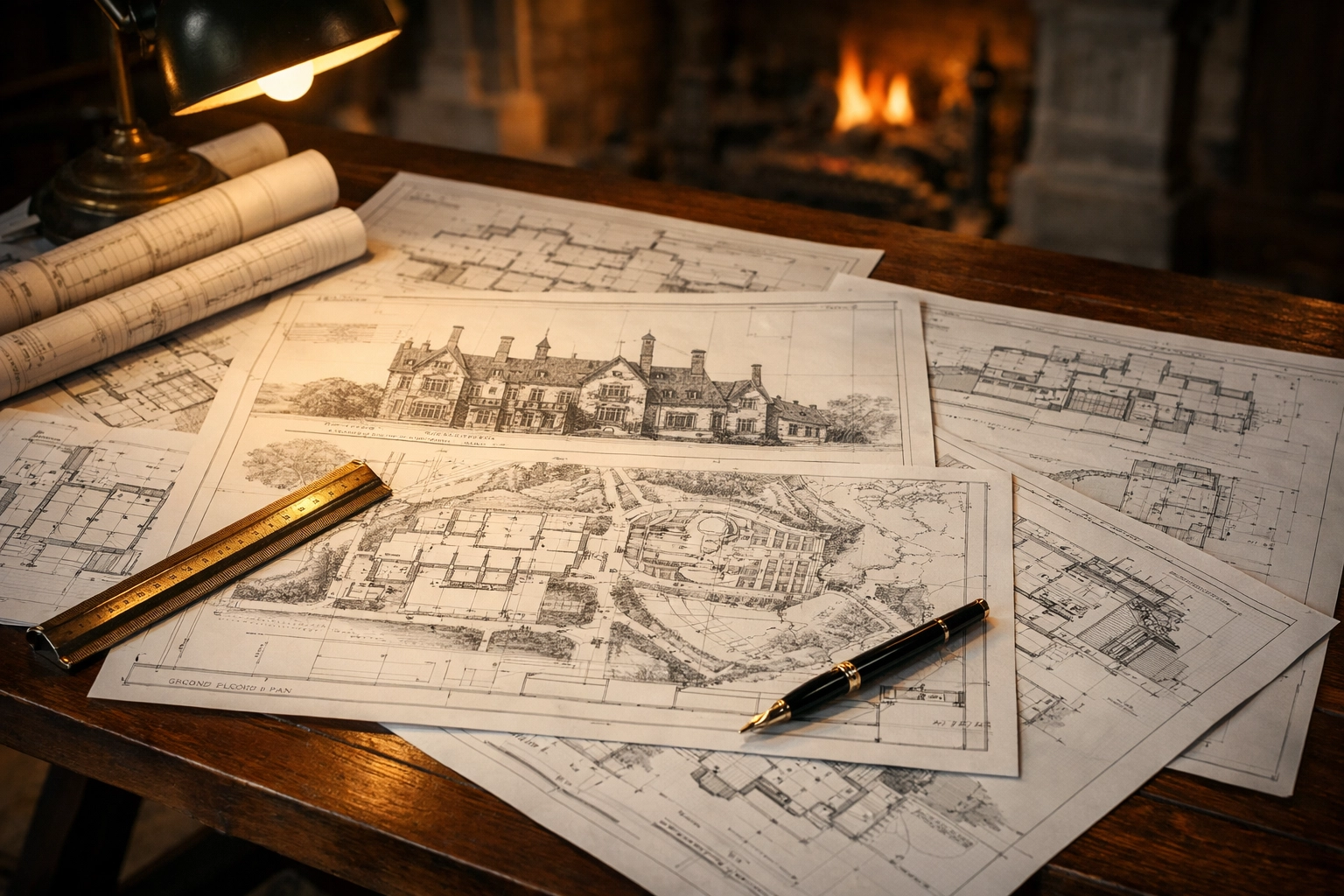
In a standard renovation, basic sketches might suffice for a builder. In a Conservation Area, you need high-quality, detailed architectural drawings.
The planning department will want to see "existing" and "proposed" elevations in great detail. They will look at the "reveal" of the windows (how far they sit back in the wall), the exact pitch of the roof, and the bond of the brickwork. Investing in professional design at the start prevents costly delays and "refusal" letters later down the line.
8. Trees Are Protected Too
Did you know that in a Conservation Area, almost all trees are protected? If you want to prune or fell a tree with a trunk diameter greater than 75mm, you must give the council six weeks' notice. This is called a Section 211 notice.
If your extension project requires clearing a small garden space, don’t just reach for the chainsaw. Doing so without permission can lead to heavy fines and a permanent stain on your planning record.
9. Don’t Fear the Conservation Officer
It’s easy to view the conservation officer as the "enemy" of your renovation, but they are actually there to protect your investment. The reason property prices remain so high in Chichester and Arundel is specifically because these areas are protected from ugly, sympathetic development.
We always recommend pre-application advice. This is a service where you can share your initial ideas with the council for a small fee before submitting a formal application. It allows you to "negotiate" your design. If they hate your choice of cladding but love your roof design, you can fix the issue before it becomes a legal hurdle.
10. Timing is Everything
Renovating in a Conservation Area takes longer. Period.
- Planning: Usually takes 8–12 weeks, but can be longer if the committee needs to meet.
- Sourcing Materials: Specialist timber windows or reclaimed bricks can have lead times of several months.
- Craftsmanship: Laying flint or working with lime mortar is a slower process than modern blockwork.
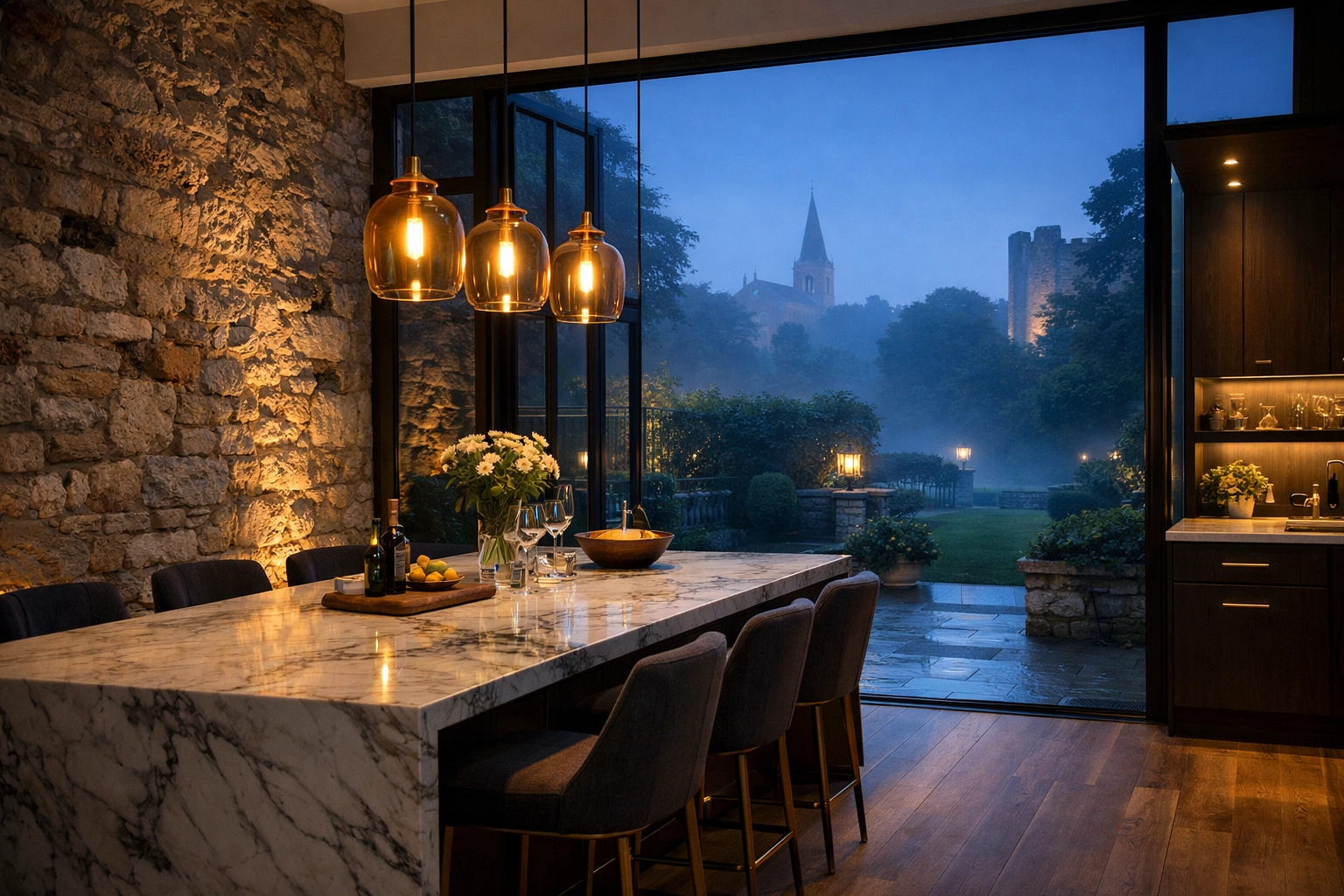
When we manage previous projects in these areas, we build a "heritage buffer" into the timeline. If you’re planning to be in your new kitchen by Christmas, you should ideally be talking to us by the previous January.
Why Swanbourne Construction Ltd?
Renovating a historic home is a journey of discovery. Sometimes you find beautiful hidden beams; sometimes you find 200-year-old structural issues that need expert intervention.
With over 20 years of experience as builders in West Sussex, we’ve seen it all. We don't just build; we consult. We help you navigate the planning maze, source the right materials, and ensure that your renovation adds value to your home and the local community.
Whether you are looking for a complete house extension or a sensitive bathroom remodel, we treat every historic home with the respect it deserves.
Ready to start your heritage project?
Don't let the regulations hold you back from creating your dream home. Let’s discuss how we can bring your vision to life while keeping the planners happy.
Contact Swanbourne Construction Ltd today for a consultation.