
If you own a bungalow in West Sussex, you already know the appeal. Whether it’s the coastal charm of Bognor Regis, the historic elegance of Chichester, or the rolling hills surrounding Arundel, you’ve likely fallen in love with your location. But as 2026 unfolds, many homeowners are finding that while they love their postcodes, they’ve simply outgrown their floor plans.
Maybe the kids need their own space, or perhaps you’ve transitioned to a permanent "work-from-home" lifestyle and that spare bedroom-turned-office is feeling a little claustrophobic. Traditionally, the answer was to move. But with the current property market and the sheer cost of stamp duty and legal fees, many are looking upward instead.
At Swanbourne Construction Ltd, we’ve spent over 20 years helping Sussex homeowners transform modest bungalows into commanding, two-storey family homes. Adding a second floor isn't just a renovation; it’s a total reimagining of your lifestyle. In this guide, we’ll walk you through everything you need to know to navigate this journey successfully.
1. Why Go Up Instead of Out?
The most common question we get at our Westergate office is: "Should I extend into the garden or build a second floor?" While a ground-floor extension has its merits, building vertically offers a unique set of advantages that are particularly relevant to our local area.
- Preserving Your Outdoor Sanctuary: In Bognor Regis and the surrounding coastal villages, garden space is a premium asset. A rear extension eats into your lawn, your patio, and your privacy. By building a second storey, you double your square footage without sacrificing a single blade of grass.
- Unlocking the View: Many bungalows in West Sussex are nestled in beautiful landscapes. A second storey can unlock views of the South Downs or glimpses of the Solent that were previously hidden by your own roofline.
- Significant Value Appreciation: You aren't just adding a room; you are changing the property’s category. Moving from a two-bedroom bungalow to a four- or five-bedroom house fundamentally shifts your home’s market value.
- Total Layout Flexibility: When you remove the roof, you aren't just adding a top floor; you are freeing up the ground floor. You can finally have that sprawling, open-plan kitchen and living area you’ve seen on our previous projects page.
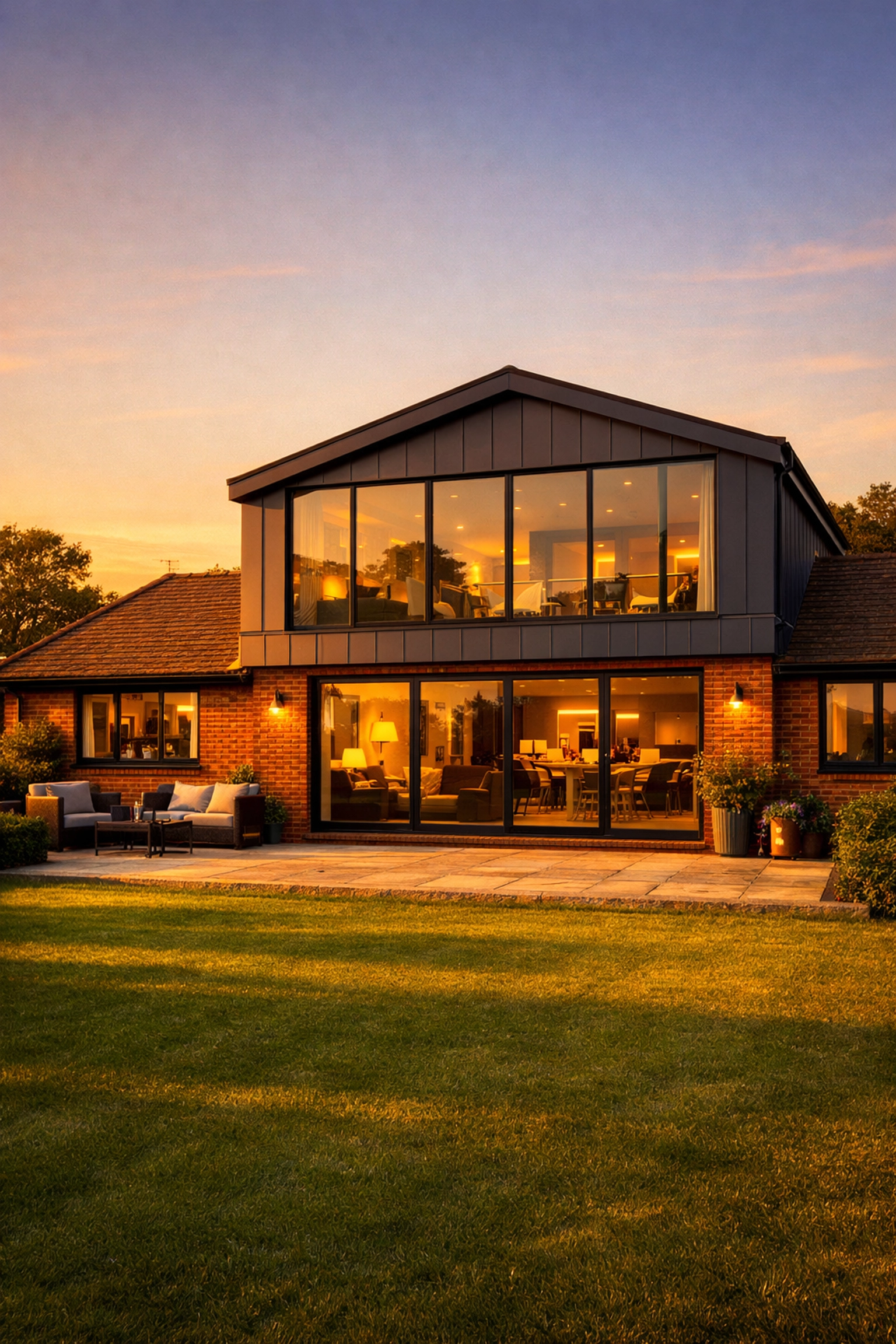
2. Navigating the Planning Maze: Chichester vs. Arundel vs. Bognor
Planning permission is often the biggest mental hurdle for homeowners. It’s important to understand that a full second-storey addition almost always requires formal planning permission. Unlike a standard loft conversion, you are fundamentally altering the height and character of the building.
- The 'Subservient' Rule: Planners (particularly at Chichester District Council) often prefer designs where the new second floor looks "subservient" to the original building. This might mean setting the front wall back from the original line or using a different material palette to break up the massing.
- Conservation Areas: If you live in the historic heart of Arundel or near the Chichester Cross, rules are tighter. The design must respect the heritage of the streetscape. We’ve found that using traditional materials like Sussex flint or high-quality timber cladding can often help bridge the gap between modern needs and historic requirements.
- Right to Light: This is a big one. Your new height cannot unfairly overshadow your neighbor’s windows. At Swanbourne Construction Ltd, we work closely with architects who use 3D modeling to prove to planners that your new home won't leave the neighbors in the dark.
3. The Structural Foundation: Can Your Bungalow Take the Weight?
This is where our 20+ years of building experience really matters. A bungalow built in the 1960s or 70s was designed to carry the weight of a timber roof: not the weight of three bedrooms, two bathrooms, a hallway, and all the furniture that comes with them.
Before a single tile is removed, a structural investigation is essential. We look at:
- Foundation Depth: We often dig "trial pits" to see how deep your current foundations go.
- Wall Strength: Are the internal walls load-bearing? Can they support the new floor joists?
- The "Steel" Factor: Most bungalow transformations require a network of steel beams to distribute the new weight down to the foundations.
If your foundations aren't up to the task, don't panic. Underpinning is a common solution, though it does add to the budget. Our team specializes in these technical challenges, ensuring your home is as safe as it is beautiful.
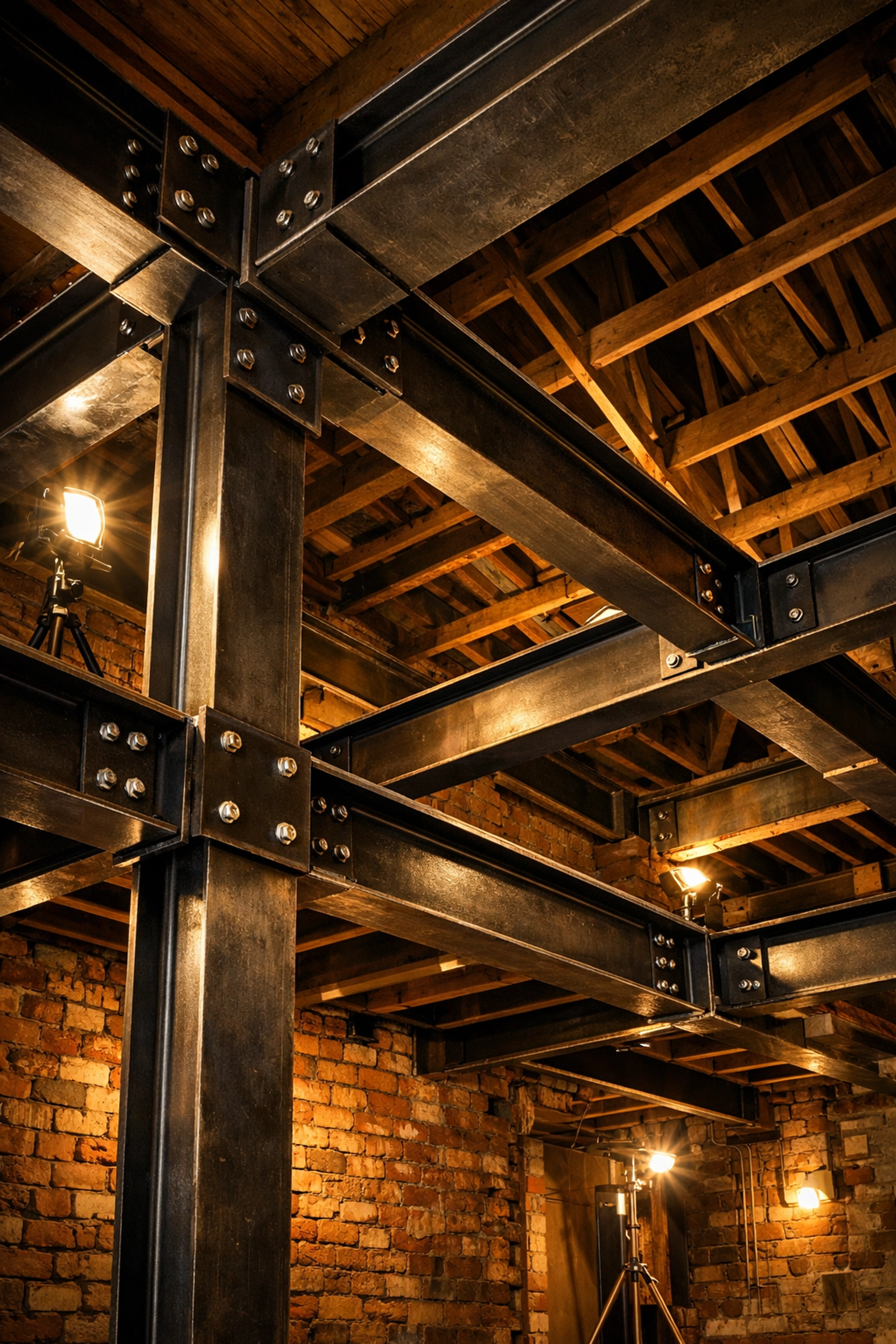
4. Designing for the 2026 Lifestyle
When you add a second floor, you have a blank canvas. This is your chance to include the "luxury" features that modern living demands.
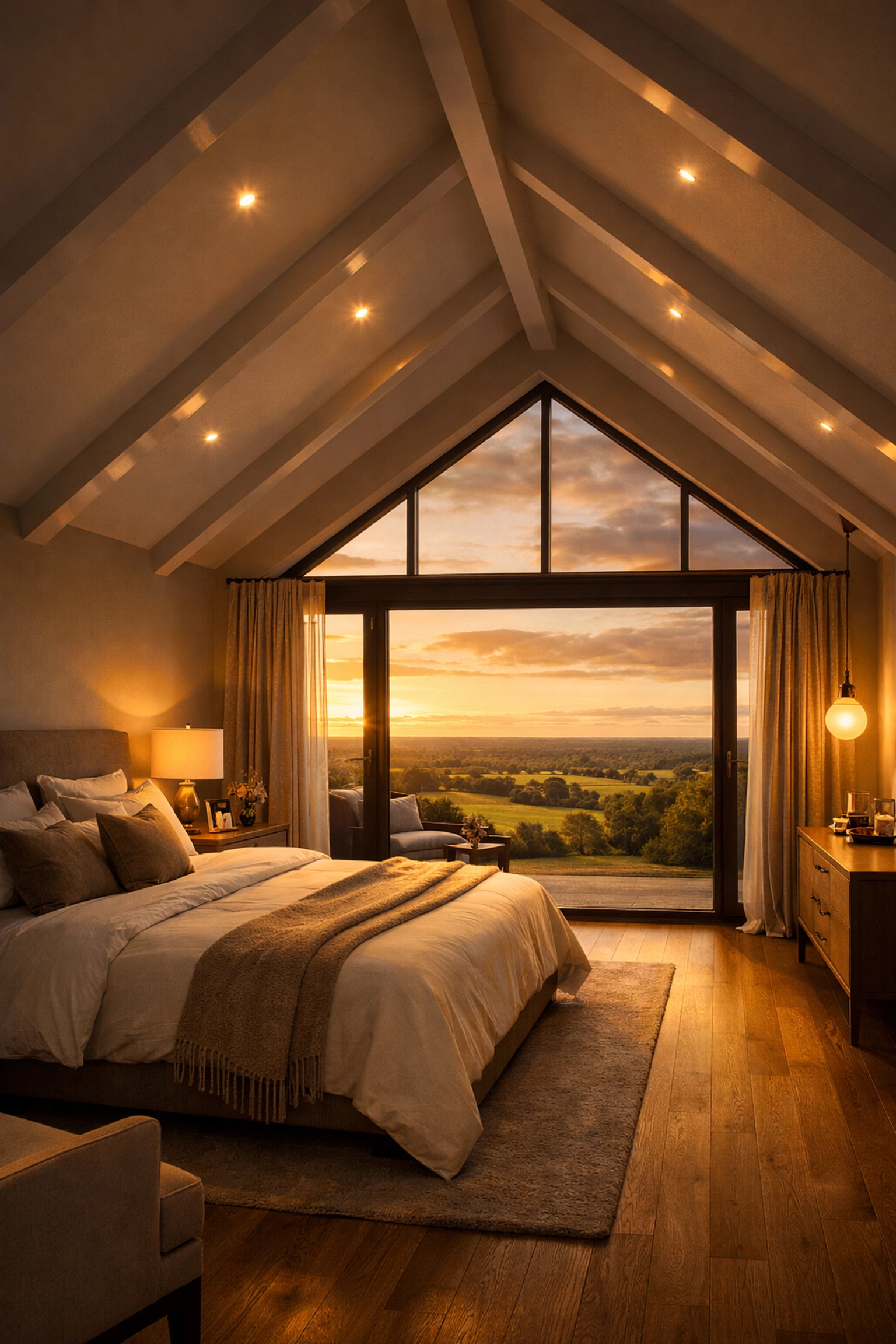
- Vaulted Ceilings: Adding height doesn't just mean more rooms; it means more volume. A master suite with a vaulted ceiling and gable-end windows can feel like a boutique hotel.
- The Master Sanctuary: In many of our loft conversions in Bognor Regis, we see owners moving their primary bedroom upstairs to create a private retreat away from the noise of the ground-floor living areas.
- Future-Proofing: While we are adding a floor, many clients choose to leave one bedroom on the ground floor. This "future-proofing" ensures that if mobility becomes an issue later in life, the home remains fully functional.
5. The Reality of the Build: Timeline and Logistics
We believe in being honest with our clients: A bungalow transformation is a major project. Unlike a kitchen fit-out, you cannot live in the house while the roof is off.
- Relocation: You will typically need to move out for 3 to 6 months. Most of our clients in the Chichester and Arundel areas find short-term rentals nearby so they can keep an eye on the progress.
- The "Big Reveal": Once the structural steels are in and the new floor is deck-ready, the transformation happens remarkably quickly. Seeing the new silhouette of your home for the first time is always an emotional moment for our clients.
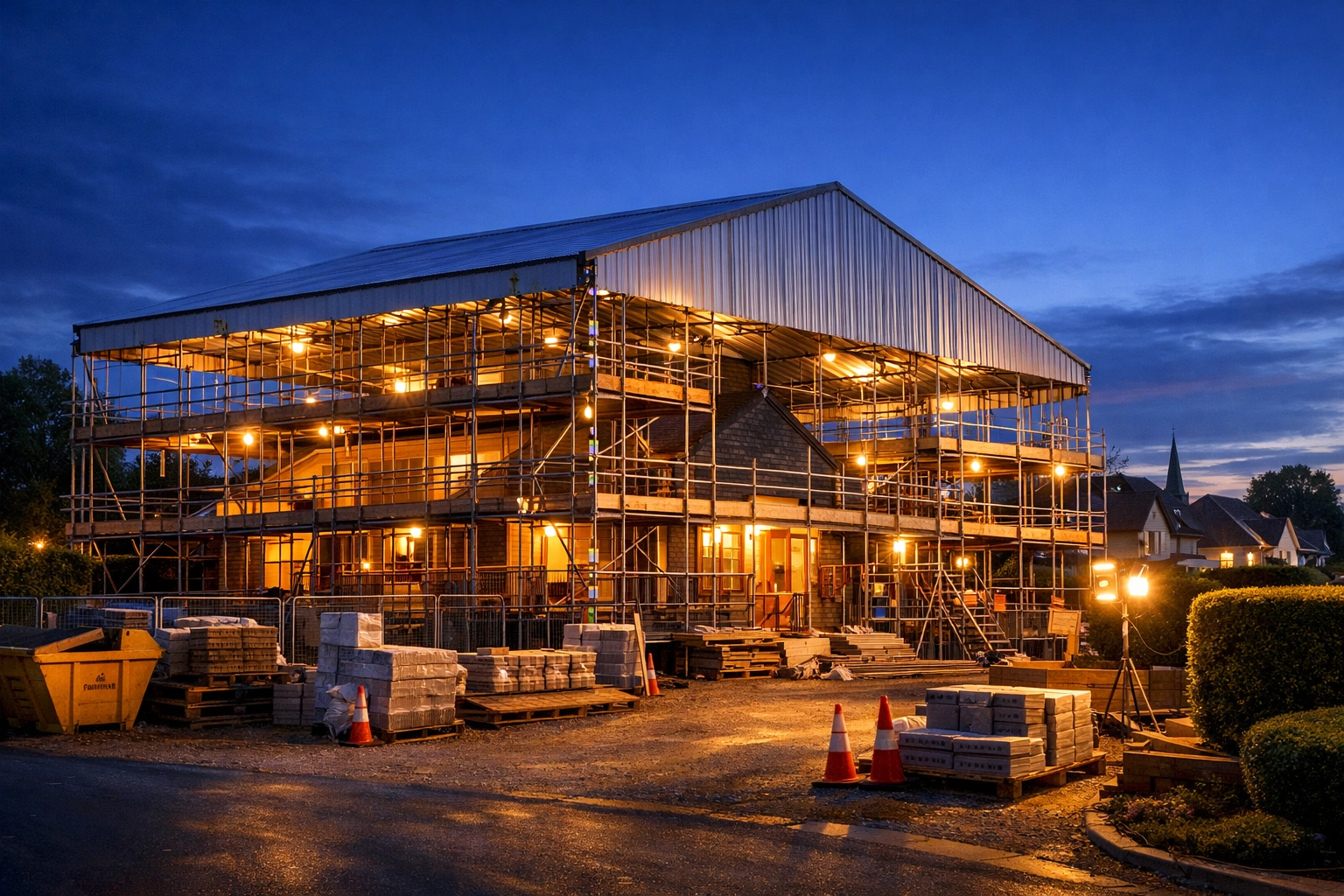
- Weather Management: We plan our starts carefully around the British weather. We use advanced scaffolding systems and temporary roofing (often called a "tin hat") to keep your existing ground floor dry while we work.
6. Is It Worth the Investment?
In 2026, the cost of "upsizing" by moving house is at an all-time high. When you factor in the 5-7% of the property value lost to fees and taxes, that money is better spent on your own doorstep.
A well-executed bungalow transformation in West Sussex typically yields a significant return on investment. In areas like Chichester, where family homes are in high demand, the value added by two extra bedrooms and an ensuite often exceeds the cost of the build itself.
Beyond the finances, there is the quality of life aspect. You get to design a home that fits your family perfectly, rather than trying to fit your family into someone else’s old layout.
The Swanbourne Approach
Choosing a builder for a project of this scale is a massive decision. At Swanbourne Construction Ltd, we pride ourselves on being more than just contractors; we are your partners in this transformation. From the initial feasibility study to the final "snagging" walk-through, our goal is to make the process as stress-free as possible.
We understand the local nuances of building in Chichester, Arundel, and the surrounding villages. We know the local planners, we know the local ground conditions, and most importantly, we know how to build homes that last.
Ready to Look Up?
If you’re sitting in your bungalow today, looking at the ceiling and imagining what could be, let’s talk. A second-storey addition is a journey, but with the right team, it’s one of the most rewarding things you can do for your family and your future.
Don't just move: improve.
Whether you are in the early stages of dreaming or you already have a set of architectural drawings, we’d love to hear from you. Explore our house extensions service or reach out directly for a consultation.
Contact us today: https://swanbourneconstruction.co.uk/contact-us