
Your bathroom should be a sanctuary of comfort and reliability, but faulty bathroom fittings can quickly turn this essential space into a source of daily frustration. Whether you're dealing with persistent drips, inconsistent water pressure, or fixtures that simply won't work properly, these issues don't just affect your daily routine: they can lead to significant water damage, inflated utility bills, and costly emergency repairs.
At Swanbourne Construction Ltd, we've encountered virtually every bathroom fitting problem imaginable across properties throughout West Sussex. From minor irritations to major failures, understanding these common issues can help you identify problems early and know when professional intervention is necessary.
The Most Persistent Offender: Leaking Pipes and Faucets
Leaking fittings represent the single most common bathroom problem we encounter, and they're rarely as simple as they initially appear. That innocent drip from your bathroom tap might seem negligible, but even a slow leak can waste hundreds of litres annually while creating ideal conditions for mold growth and structural damage.
Faucet leaks typically stem from worn internal components: washers, cartridges, or O-rings that have deteriorated over time. What starts as an occasional drip often progresses to a constant stream, particularly in homes with hard water where mineral buildup accelerates wear. The challenge lies in diagnosing whether you're dealing with a simple washer replacement or a more complex cartridge failure that requires complete disassembly.
Pipe leaks present a more serious concern, especially those hidden behind tiles or within wall cavities. These often remain undetected until water damage becomes visible, by which point repair costs can escalate dramatically. Common leak locations include joint connections, where thermal expansion and contraction create stress points, and areas where pipes pass through walls or floors.
Professional Installation Makes the Difference
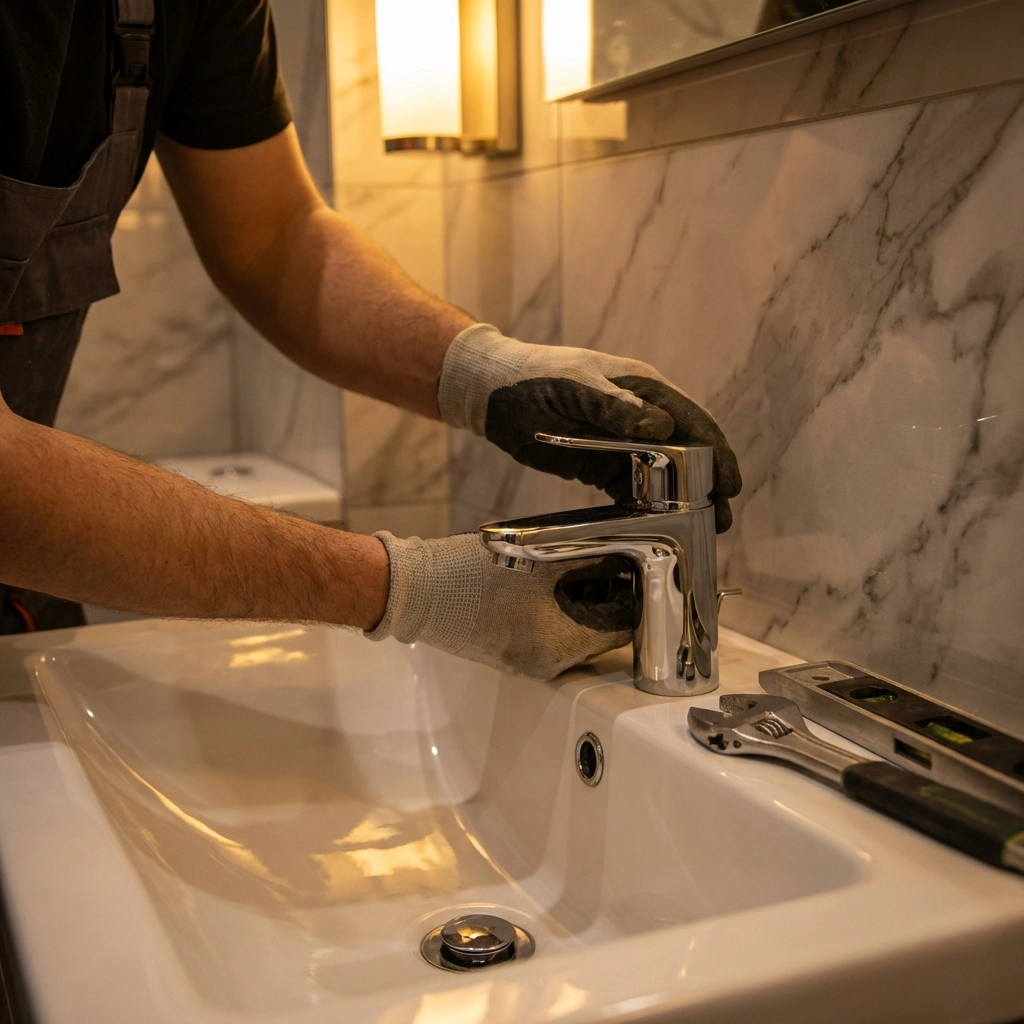
The quality of initial installation significantly impacts long-term reliability. Properly installed fittings, with correctly torqued connections and appropriate sealants, dramatically reduce the likelihood of premature failure. At Swanbourne Construction Ltd, our systematic approach ensures every connection is tested under pressure before completion.
Water Pressure Woes: When Your Shower Disappoints
Low water pressure transforms your refreshing shower into a frustrating trickle, but the underlying causes vary considerably. Many homeowners assume the problem lies with their water supply, when often the culprit is much closer to home.
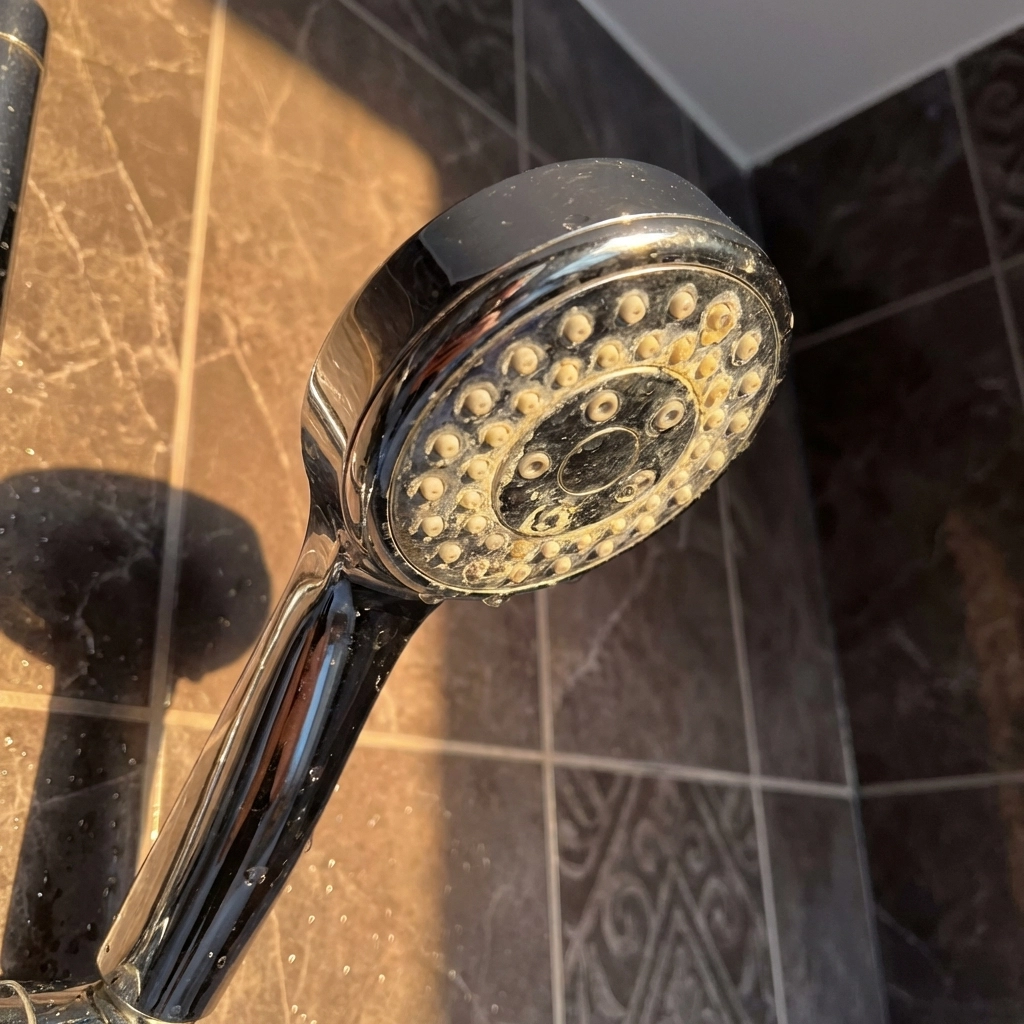
Mineral buildup on aerators and showerheads represents the most common cause of pressure reduction. Hard water, prevalent throughout much of West Sussex, leaves calcium and lime deposits that gradually restrict water flow. These blockages don't occur uniformly: you might find excellent pressure from your basin tap while your shower barely produces a gentle spray.
Internal fixture blockages can develop within the fitting itself, particularly in areas with high mineral content. Cartridge valves, mixing chambers, and internal screens can become partially obstructed, creating inconsistent pressure that varies with temperature settings.
More concerning are supply line restrictions caused by corroded internal pipe surfaces or debris accumulation. These issues typically affect multiple fixtures simultaneously and often indicate broader plumbing system problems requiring professional assessment.
The Running Toilet: A 24/7 Water Waster
A continuously running toilet can waste up to 200 gallons per day, making it both an environmental concern and a financial burden. This problem typically manifests as a constant trickling sound from the cistern, though sometimes the leak is silent and only detectable through unusually high water bills.
Flapper valve failures account for most running toilet issues. The rubber flapper that seals the flush valve can warp, become misaligned, or develop mineral buildup that prevents proper seating. When the flapper doesn't seal completely, water continuously flows from the cistern into the bowl.
Fill valve malfunctions represent another common cause, where the mechanism responsible for refilling the cistern fails to shut off properly. This creates a continuous flow situation that not only wastes water but can eventually lead to overflow if the system becomes completely stuck.
The chain connecting the flush handle to the flapper can also cause problems when it becomes too long, too short, or corroded. These seemingly minor adjustments can restore proper function, but they require understanding the precise mechanics involved.
Drainage Disasters: When Water Won't Go Away
Blocked drains create immediate inconvenience and potential health hazards through standing water and unpleasant odors. Bathroom drains face unique challenges from the combination of hair, soap residue, toiletries, and organic matter that regularly pass through them.
Shower and basin drains typically clog gradually, with hair forming the foundation for larger blockages. Soap scum, skin cells, and product residues adhere to hair strands, creating increasingly substantial obstructions. What begins as slightly slower drainage can progress to complete blockage requiring professional intervention.
Toilet blockages often result from inappropriate items being flushed or excessive toilet paper use. However, recurring blockages might indicate more serious issues such as partial pipe collapse, root intrusion, or inadequate fall in the waste pipes.
Ventilation-related drainage problems occur when the system cannot draw sufficient air to maintain proper flow. This creates gurgling sounds, slow drainage, and sometimes allows sewer gases to enter your bathroom.
The Hidden Threat: Corroded Pipes and Fittings
Corrosion represents a progressive problem that often remains hidden until failure becomes catastrophic. In older properties throughout the region, original metal pipes and fittings may have reached the end of their service life, particularly in areas with aggressive water chemistry.
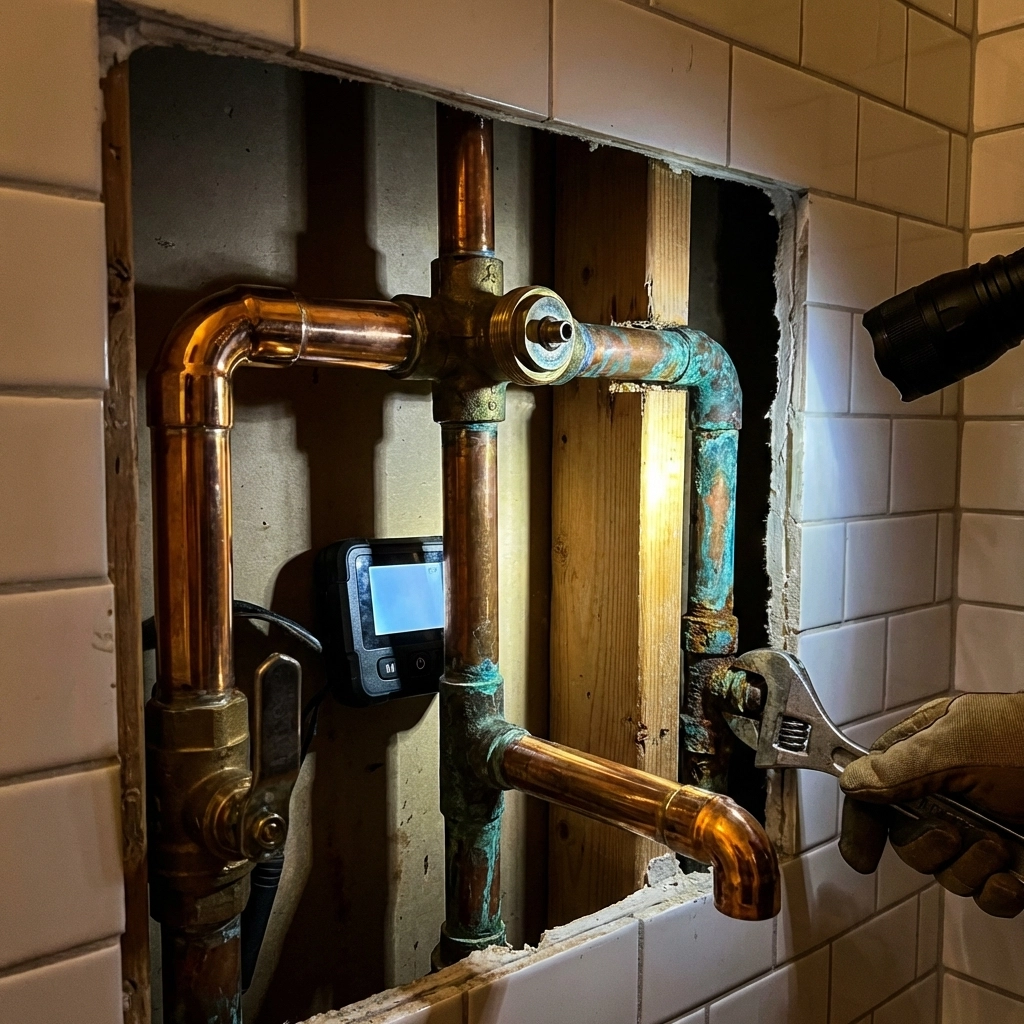
Copper pipe corrosion typically manifests as green or blue discoloration around joints and fittings. While copper generally provides excellent longevity, factors such as water pH, mineral content, and electrical activity can accelerate deterioration. Pinhole leaks often develop at stress points where the pipe changes direction or connects to fittings.
Iron pipe systems show rust formation that gradually restricts internal diameter while weakening pipe walls. These systems often produce discolored water and may affect taste, indicating advanced corrosion requiring complete replacement.
Galvanized steel fittings can develop serious corrosion issues, particularly where dissimilar metals connect. Electrolytic corrosion at these junction points can cause rapid deterioration and unexpected failures.
Poor Sealing: The Gateway to Water Damage
Inadequate sealing around bathroom fittings creates pathways for water infiltration that can cause extensive damage to surrounding structures. Properly executed sealing requires understanding both the materials involved and the movement characteristics of different building elements.
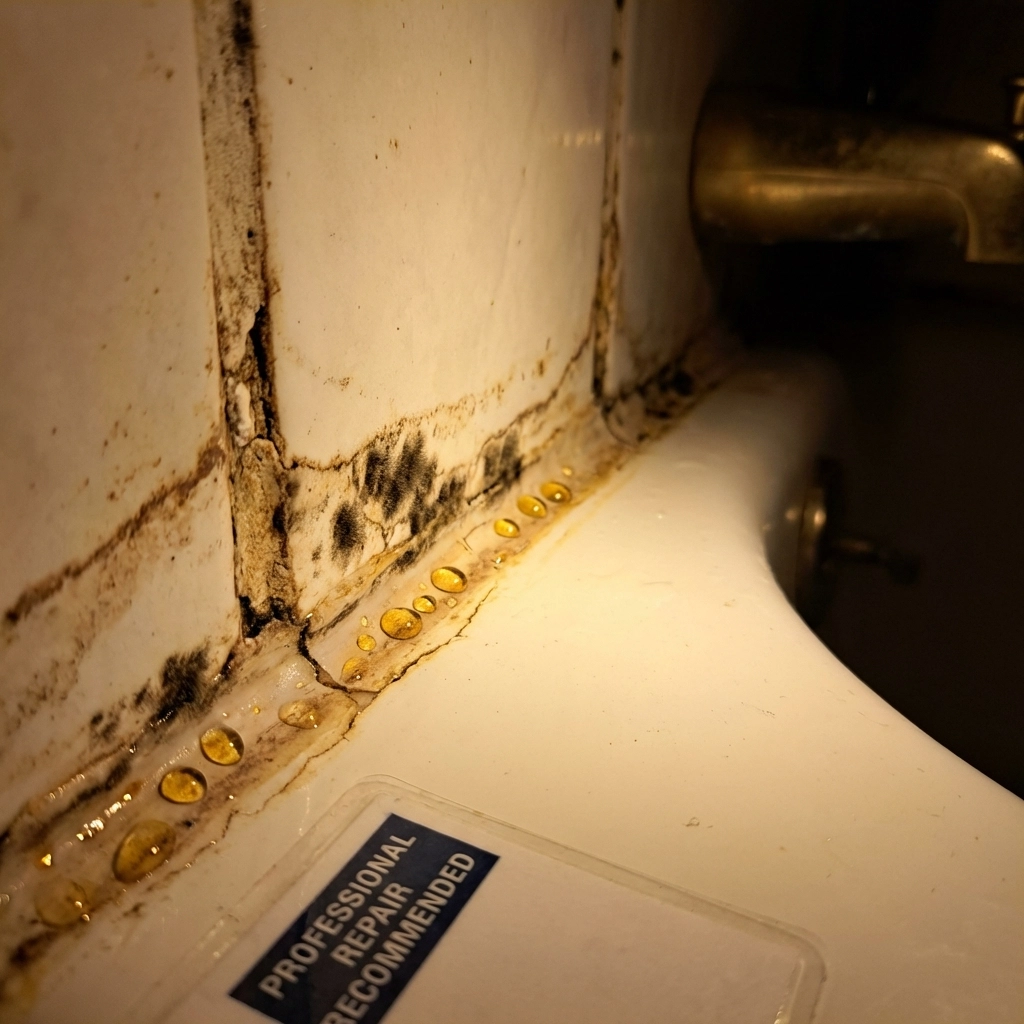
Silicone sealant failures occur through age-related deterioration, poor surface preparation, or inappropriate product selection. Gaps in sealant allow water penetration behind tiles and into wall cavities, where it can cause rot, mold growth, and structural damage.
Grout deterioration around tiled areas provides another avenue for water ingress. Natural movement in buildings can cause grout to crack or separate, creating channels that direct water into areas where it can cause significant damage.
Base sealing issues around toilet installations can allow contaminated water to seep beneath flooring materials. This creates both structural damage and serious hygiene concerns that require immediate professional attention.
Installation Errors: The Root of Many Problems
Incorrect installation techniques create problems that may not manifest immediately but inevitably lead to premature failure and costly repairs. Professional installation ensures compliance with current standards and building regulations while maximizing fixture longevity.
Inadequate pipe support can cause stress concentrations that lead to joint failures and leaks. Pipes must be properly supported at specified intervals to prevent sagging and stress on connection points.
Incorrect fall calculations in waste pipes can cause drainage problems and blockage issues. Even small errors in gradient can significantly impact system performance and create recurring maintenance problems.
Electrical safety violations in bathroom installations can create serious hazards. Proper zones must be observed, and appropriate IP ratings maintained for all electrical components.
Prevention: Your First Line of Defense
Regular maintenance significantly extends fitting lifespan while identifying problems before they become emergencies. Simple preventive measures can save thousands in repair costs while ensuring reliable bathroom function.
Inspect visible pipes and fittings monthly for signs of corrosion, leaks, or damage. Clean aerators and showerheads quarterly to prevent mineral buildup. Test toilet flush mechanisms regularly and address minor adjustments promptly.
Professional annual inspections can identify hidden issues before they cause significant damage. At Swanbourne Construction Ltd, our comprehensive bathroom assessments evaluate all systems and provide clear recommendations for maintenance or improvement.
When to Call the Professionals
Certain bathroom fitting problems require professional expertise to resolve safely and permanently. Attempting DIY repairs on complex issues often exacerbates problems and can create safety hazards.
Contact professionals immediately for any electrical issues, major leaks, persistent blockages, or problems affecting multiple fixtures. Gas-related issues require immediate professional attention due to safety implications.
Swanbourne Construction Ltd provides comprehensive bathroom fitting services throughout West Sussex, from minor repairs to complete system replacements. Our experienced team ensures all work complies with current building regulations while providing reliable, long-term solutions.
Understanding common bathroom fitting problems helps you maintain your property effectively while knowing when professional intervention becomes necessary. Don't let minor issues develop into major problems: address concerns promptly and trust experienced professionals for complex repairs and installations.
For expert assessment of your bathroom fitting concerns or to discuss improvement options, contact Swanbourne Construction Ltd today. We're here to ensure your bathroom functions reliably for years to come.