
When designing any interior space, whether it's a luxurious master bathroom or a compact family kitchen, understanding the fundamental principles of interior design can make the difference between a space that merely functions and one that truly transforms your daily experience. These seven core rules form the foundation of every successful design project, guiding decisions from the initial layout through to the final finishing touches.
At Swanbourne Construction Ltd, we've seen firsthand how applying these principles correctly can completely transform a space: particularly in bathrooms where functionality and aesthetics must work in perfect harmony. Let's explore each rule and understand why they matter so much in creating spaces that both look stunning and work beautifully for everyday life.
1. Balance: Creating Visual Stability
Balance is the foundation of any well-designed space, referring to how visual weight is distributed throughout a room. Think of it as creating a sense of equilibrium that makes a space feel stable and comfortable rather than chaotic or lopsided.
There are three main types of balance you can achieve:
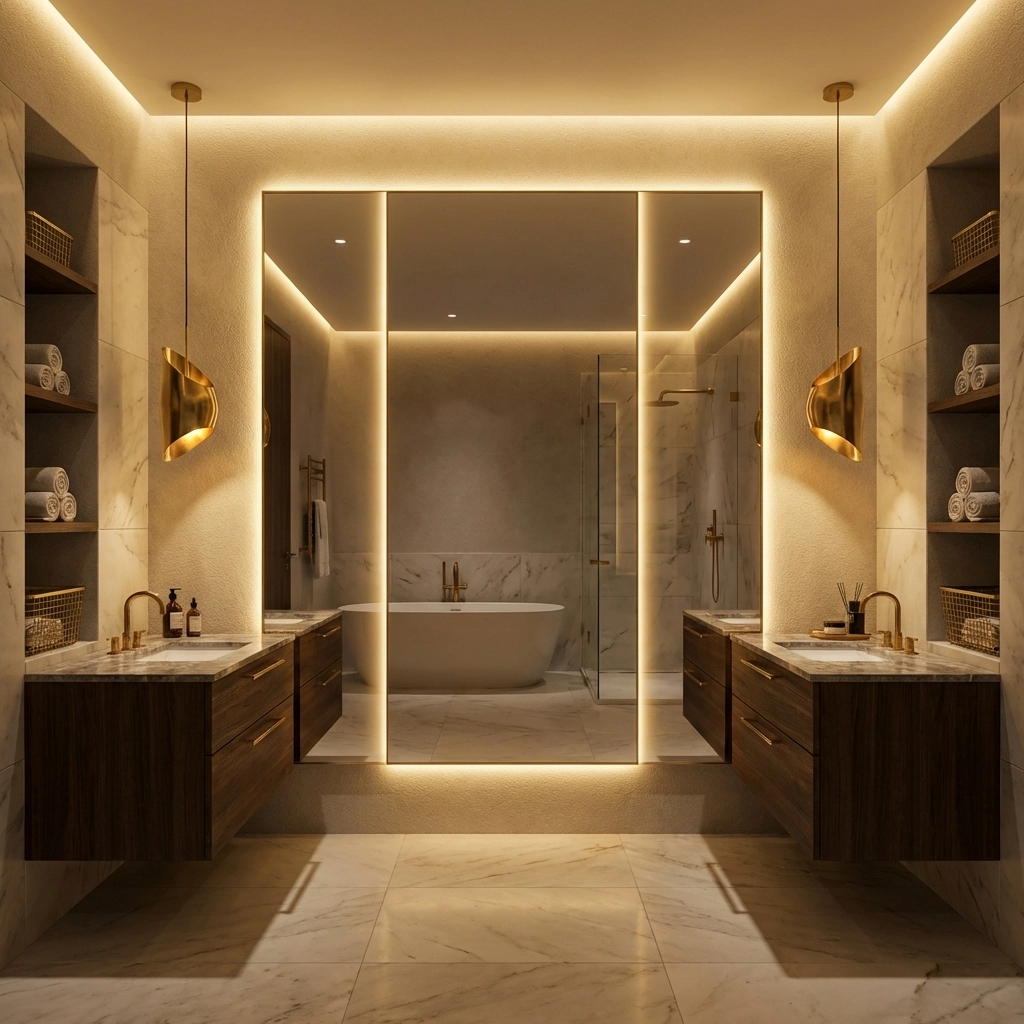
Symmetrical balance involves mirroring elements on either side of a central point: imagine identical bedside tables flanking a bed or matching wall sconces on either side of a bathroom mirror. This creates a formal, ordered feeling that works particularly well in traditional designs.
Asymmetrical balance uses different elements that carry equal visual weight to create equilibrium. For example, you might balance a large piece of artwork with a grouping of smaller decorative objects on the opposite side of the room.
Radial balance centers around a focal point with elements radiating outward, like arranging dining chairs around a circular table or positioning furniture around a fireplace.
In bathroom design, balance is crucial for creating a space that feels harmonious rather than cramped or awkward. This might mean positioning your vanity to balance the visual weight of your bath, or ensuring towel storage doesn't overwhelm one side of the room.
2. Unity: Bringing Elements Together
Unity ensures all design elements work together seamlessly to create a cohesive whole. Without unity, even the most expensive fixtures and finishes can look disconnected and chaotic.
You can achieve unity through:
- Consistent color palettes that flow naturally from one area to another
- Repeated materials such as using the same stone for countertops and shower surrounds
- Similar design styles that complement rather than compete with each other
- Coordinated finishes like matching all hardware in brushed nickel or matte black
This principle is particularly important in smaller spaces like bathrooms, where every element is visible simultaneously. The tiles, fixtures, lighting, and accessories should all feel like they belong together, creating a harmonious environment that feels intentional rather than thrown together.
3. Rhythm: Creating Movement and Flow
Rhythm establishes movement through your space by repeating specific design elements at regular intervals. This repetition creates a visual pathway that guides the eye naturally around the room, preventing it from feeling static or boring.
You can create rhythm through:
- Color repetition: using the same accent color in different areas throughout the space
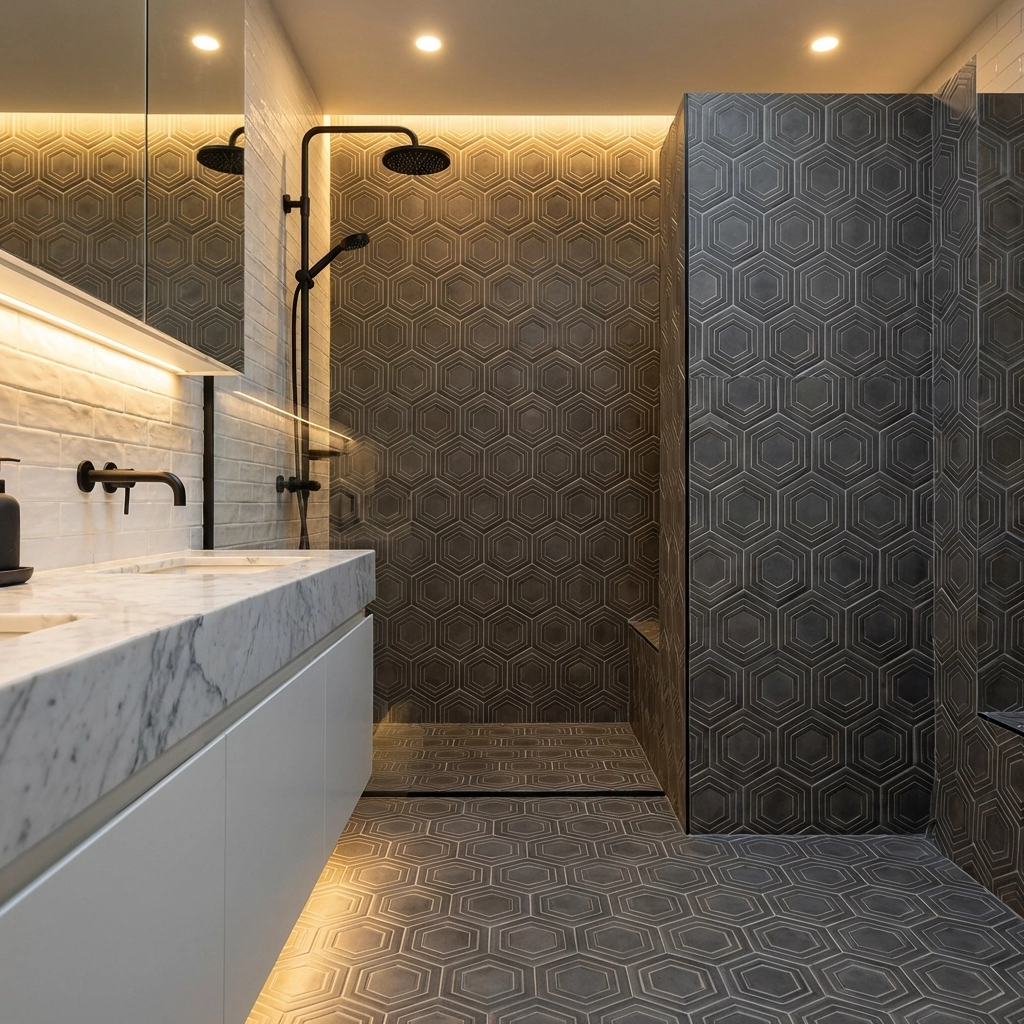
- Pattern repetition: incorporating similar geometric or organic patterns in tiles, textiles, or wallpaper
- Shape repetition: echoing curved lines in different fixtures or architectural elements
- Texture repetition: balancing smooth and rough surfaces throughout the design
In bathroom design, rhythm might involve repeating the same tile pattern from floor to shower wall, using consistent lighting fixtures throughout the space, or echoing the curves of your freestanding bath in your choice of mirrors and accessories.
4. Emphasis: Creating a Focal Point
Every well-designed space needs a focal point: an element that immediately draws attention and serves as the room's star feature. This prevents the space from feeling bland while giving visitors something interesting to focus on.
Your focal point should be the first thing people notice when they enter the room. In living spaces, this might be a stunning piece of artwork, an architectural feature like a fireplace, or a beautiful view. In bathrooms, popular focal points include:
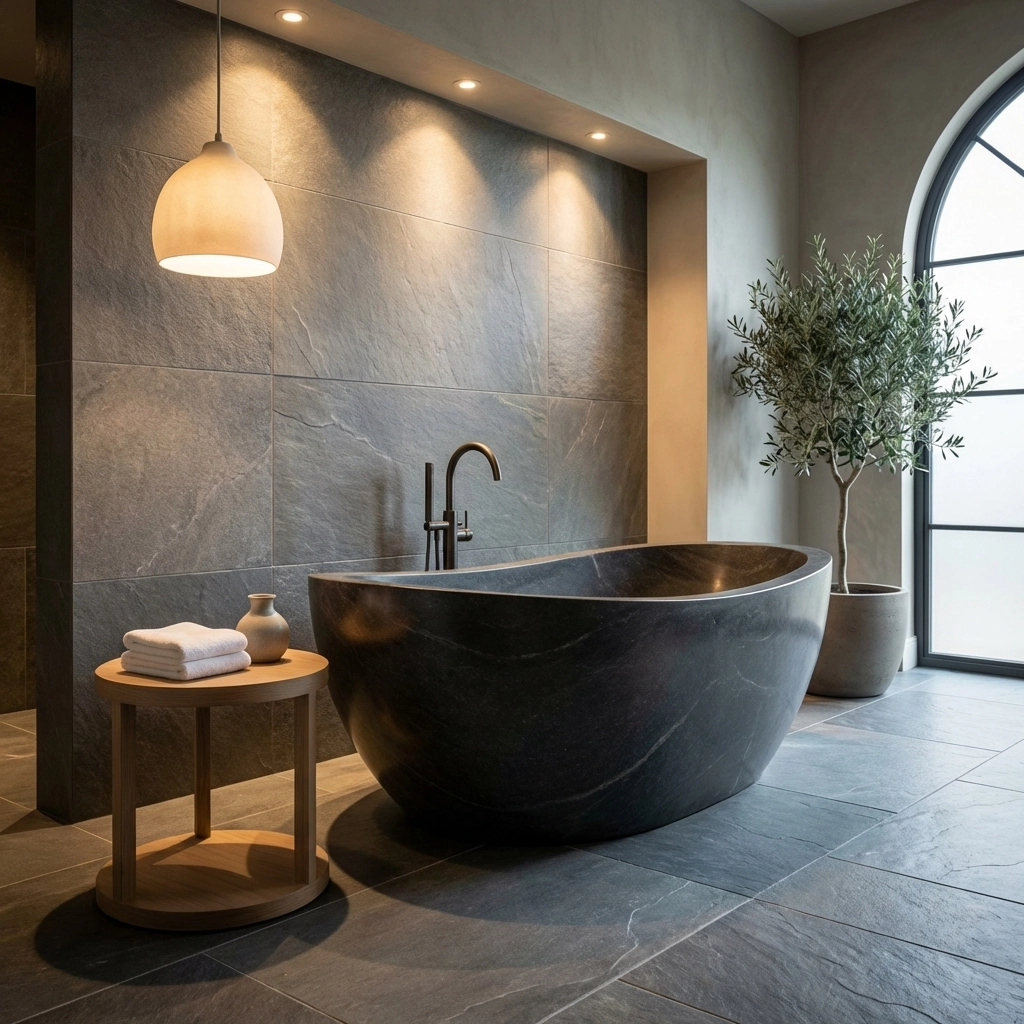
- A striking freestanding bathtub
- An impressive vanity with beautiful stonework
- A dramatic shower with floor-to-ceiling tiles
- A stunning mirror or piece of artwork
The key is ensuring your focal point truly stands out while keeping other elements more subdued. If everything in the room demands attention, nothing will successfully capture it.
5. Scale and Proportion: Getting the Size Right
Scale and proportion ensure that furniture and fixtures are appropriately sized for both the room and human use. Nothing makes a space feel more uncomfortable than elements that are dramatically too large or too small for their environment.
Scale refers to how objects relate to the space itself: a massive dining table in a compact room will feel overwhelming, while tiny furniture in a large space will seem lost. Proportion focuses on how different elements relate to each other and to human dimensions.
In bathroom design, scale and proportion are absolutely critical due to limited space and safety considerations. You need adequate clearance around toilets, basins, and shower areas for comfortable use. Swanbourne Construction Ltd always carefully measures and plans these clearances during the design phase to ensure your finished bathroom feels spacious rather than cramped, regardless of its actual size.
6. Contrast: Adding Visual Interest
Contrast prevents your space from feeling monotonous by introducing differences in color, texture, pattern, or style. Strategic contrast creates visual interest and helps define different areas within a space.
Effective contrast might involve:
- Light and dark colors to create drama and depth
- Smooth and textured surfaces to add tactile interest
- Curved and angular shapes to create dynamic relationships
- Matte and glossy finishes to play with light reflection
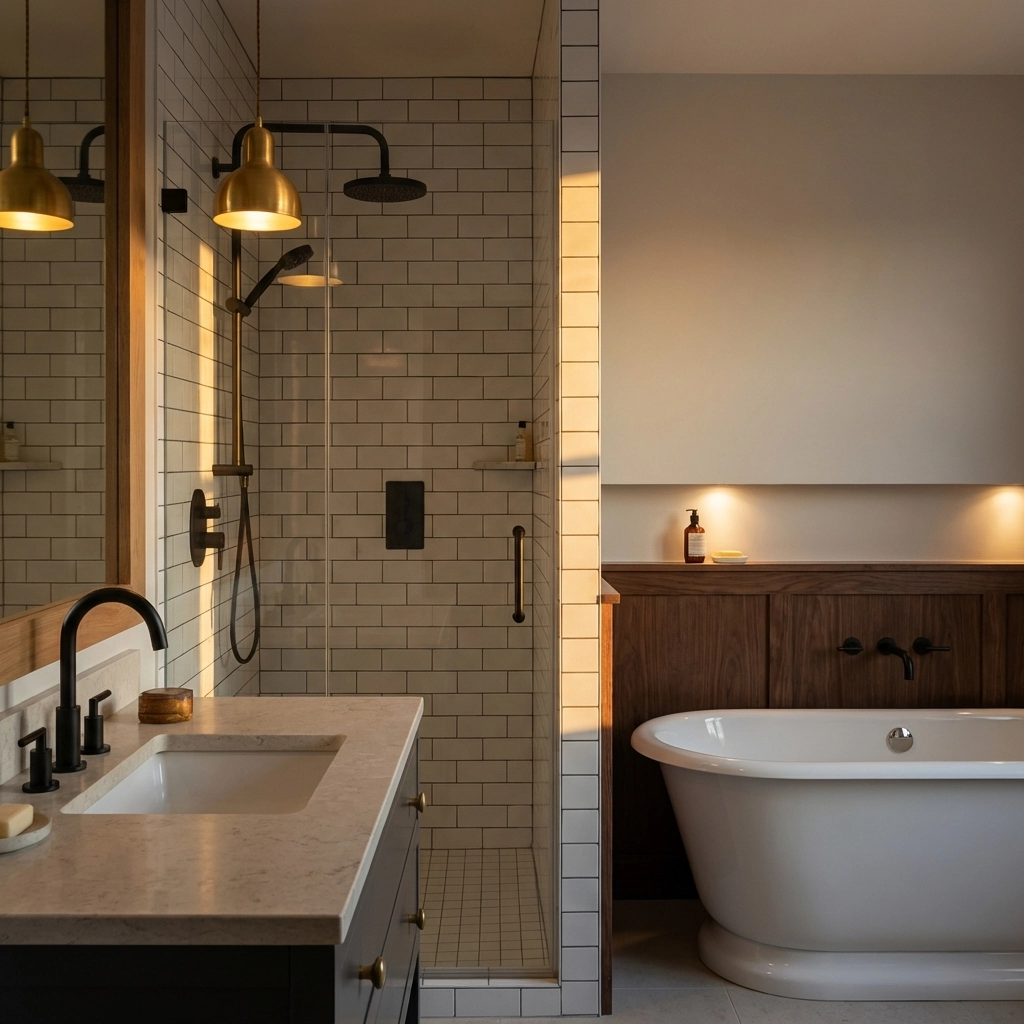
In bathrooms, contrast is particularly effective: think white subway tiles with dark grout, matte black fixtures against light stone, or the interplay between smooth porcelain and natural wood textures. The key is using contrast purposefully rather than randomly, ensuring it enhances rather than overwhelms your design.
7. Functionality: The Foundation of Great Design
While all seven principles matter, functionality is arguably the most important, especially in bathrooms where the space must work flawlessly for daily use. No matter how beautiful a design looks, if it doesn't function properly for the people using it, it fails as interior design.
Functionality encompasses:
- Efficient layouts that allow comfortable movement and use
- Adequate storage for daily essentials and cleaning supplies
- Proper lighting for tasks like shaving, makeup application, and general use
- Appropriate ventilation to prevent moisture problems
- Durable materials that can withstand daily use and humidity
- Safety considerations such as non-slip surfaces and grab bar provisions
The golden rule for bathroom layouts is function before aesthetics. Your bathroom must be practical, safe, and comfortable before focusing on design choices. This means allowing enough clearance around the toilet, basin, bath, and shower, ensuring doors open freely, and keeping plumbing runs efficient.
Poor layouts often lead to cramped spaces and costly changes later. At Swanbourne Construction Ltd, we always plan layouts carefully to maximize space, improve flow, and future-proof the bathroom for daily use. We understand that a beautiful bathroom that doesn't function well will quickly become a source of frustration rather than enjoyment.
Applying These Principles in Practice
Understanding these seven principles is one thing: applying them successfully in real-world projects is another. Each principle works best when balanced with the others, creating spaces that are both beautiful and highly functional.
When we work with clients on bathroom renovations, we begin by assessing how each principle applies to their specific space and needs. A small powder room will emphasize different aspects than a large master bathroom, but all seven principles remain relevant to creating the best possible result.
For instance, in a compact bathroom, we might use vertical rhythm through tall, narrow tiles to create the illusion of height, while ensuring the scale of fixtures remains appropriate for comfortable use. We'll create a focal point with a beautiful vanity or mirror while maintaining unity through consistent finishes and colors.
Functionality remains our primary concern throughout the process. We've learned that clients are far happier with spaces that work beautifully for their daily routines, even if some aesthetic compromises are necessary. The good news is that with careful planning and design expertise, these compromises are rarely needed: great design makes functionality and beauty work together seamlessly.
Why Professional Design Expertise Matters
While understanding these principles is valuable for any homeowner, applying them successfully requires experience, spatial awareness, and technical knowledge. Professional designers understand how to balance competing demands, work within structural limitations, and create solutions that maximize both form and function.
At Swanbourne Construction Ltd, we've applied these design principles across countless bathroom projects, from compact family bathrooms to luxurious master suites. We understand how to create rhythm with tile patterns, achieve perfect scale in fixture selection, and design focal points that enhance rather than overwhelm smaller spaces.
More importantly, we never lose sight of functionality. Our team ensures that beautiful design choices also support practical daily use, creating bathrooms that remain stunning and functional for years to come.
Whether you're planning a complete bathroom renovation or simply looking to improve your existing space, these seven rules provide a framework for making decisions that will enhance both the beauty and functionality of your home. Remember that great interior design isn't about following trends: it's about creating spaces that work beautifully for the people who use them every day.