Loft conversions can transform unused attic space into valuable living areas, but they come with significant challenges that catch many homeowners off guard. Understanding these common problems before you start your project can save you thousands of pounds and months of frustration.
Insufficient Headroom Issues
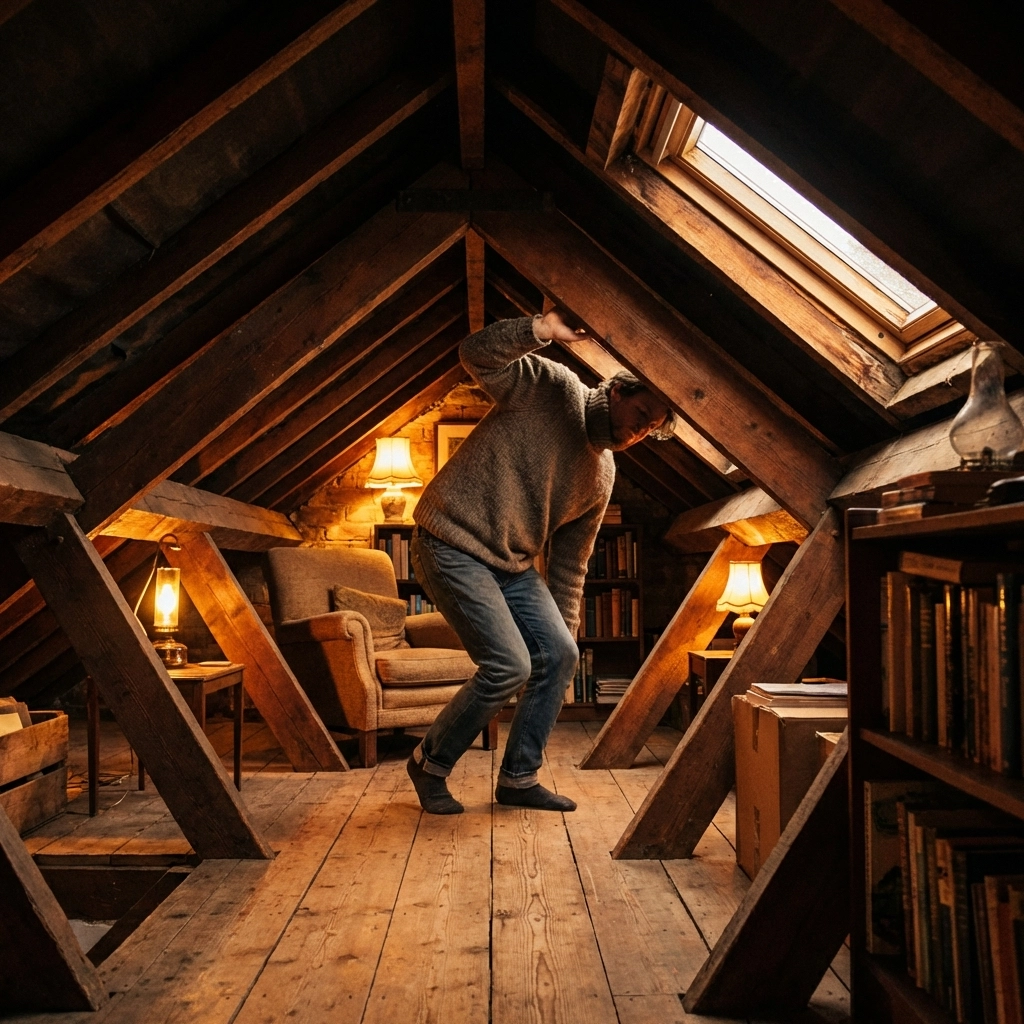
The most fundamental problem with loft conversions is insufficient headroom. Many lofts simply don't meet the minimum 2.2-metre height requirement without major structural modifications. This limitation severely restricts usability and comfort, turning what should be a spacious room into an awkward, cramped area where you're constantly ducking under sloping ceilings.
Measuring your existing loft space is crucial before committing to any conversion plans. The 2.2-metre requirement applies to the centre of the room, but you'll also need adequate headroom around the edges for the space to feel comfortable and functional. Without sufficient height, your converted loft may feel more like a storage room than a proper living space.
Structural modifications to address headroom issues can be expensive and complex. Options include lowering the ceiling in the room below, raising the roof ridge, or installing dormers to create additional height. Each solution comes with its own set of challenges and costs that need careful consideration.
Poor Insulation and Temperature Control
Poor insulation represents another frequent and costly issue with loft conversions. Inadequate insulation leads to extreme temperature fluctuations: stifling heat in summer and bitter cold in winter: resulting in uncomfortable living conditions and dramatically increased energy bills.
Loft spaces are particularly vulnerable to temperature extremes because they sit directly under the roof, where heat builds up during summer and escapes rapidly in winter. Without proper insulation meeting current building regulation standards, your converted loft becomes virtually unusable during peak seasons.
Modern building regulations require much higher insulation standards than older properties typically have. This means your conversion will need comprehensive insulation upgrades, including:
- Roof insulation between and over rafters
- Floor insulation to prevent heat loss to rooms below
- Wall insulation where dormers are added
- Proper vapour barriers to prevent condensation issues
The cost of bringing insulation up to current standards often surprises homeowners, but cutting corners here creates long-term problems and ongoing expense through higher heating bills.
Inadequate Natural Light Problems
Inadequate natural light can make even the most well-designed loft conversion feel cramped and unwelcoming. Many homeowners underestimate how much natural light they'll need to make their converted loft feel like a proper living space rather than a dark, cave-like room.
Standard roof windows may not provide sufficient light, particularly in lofts with limited roof areas facing the right direction. The positioning and size of windows significantly impact both the amount of light and the overall feel of the space.
Dormer windows can dramatically improve natural light but come with their own complications, including planning permission requirements, structural work, and waterproofing challenges. The cost and complexity of adding adequate natural light often exceeds initial estimates, particularly when structural modifications are needed.
Structural Support Concerns
Structural concerns frequently arise when existing roof timbers aren't strong enough to support the conversion without significant reinforcement. This is especially common in older properties where the original roof structure was designed only to support the roof itself, not additional living space.
Converting a loft means adding substantial weight from new floors, partition walls, furniture, and occupants. The existing floor joists, which may have been adequate for occasional storage access, rarely meet the structural requirements for habitable rooms.
Steel beam installation often becomes necessary to provide adequate support, but this work requires structural engineering calculations, building regulation approval, and skilled installation. The cost of structural reinforcement can easily double your initial budget estimates.
Trussed roof systems present particular challenges because the diagonal bracing members that provide structural integrity often conflict with usable floor space, requiring expensive re-engineering of the entire roof structure.
Access and Staircase Placement Issues
Access and staircase placement creates challenging problems in tight spaces, and improper planning here affects your entire home's flow and functionality. Building regulation-compliant staircases require specific dimensions, headroom clearances, and landing spaces that may not fit easily into your existing layout.
The staircase must provide safe access while meeting strict building regulations for width (minimum 800mm), pitch (maximum 42 degrees), headroom (2 metres minimum), and fire escape requirements. Finding space for these requirements often means sacrificing area in existing rooms below.
Poor staircase planning can create bottlenecks, reduce natural light to existing rooms, or force awkward room layouts that impact your home's overall functionality. The staircase location decision affects not just the loft but potentially multiple floors of your property.
Ventilation and Condensation Problems
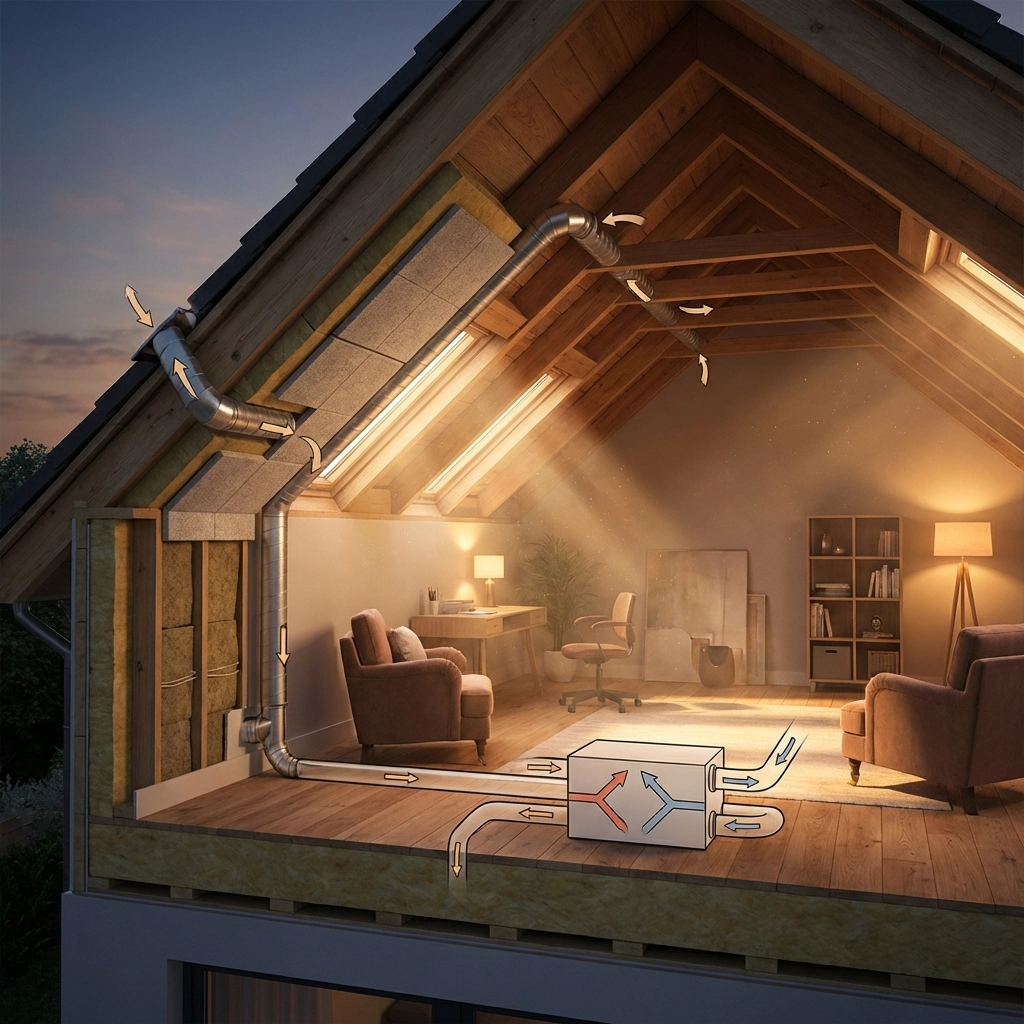
Ventilation problems may cause serious condensation and damp issues if not properly addressed during the conversion process. Loft spaces naturally have different air circulation patterns than the rest of your home, and poor ventilation planning creates long-term moisture problems.
Inadequate ventilation leads to:
- Condensation buildup on windows and walls
- Mould growth in corners and behind furniture
- Structural damage to timber elements
- Health issues from poor air quality
- Damage to belongings stored in the space
Proper ventilation requires more than just opening windows. You'll need mechanical ventilation systems, appropriate air circulation planning, and proper vapour barriers to prevent moisture problems.
Building Regulation Compliance Issues
Building regulation compliance issues can halt projects entirely or require costly corrections if discovered during construction. Many homeowners assume they can proceed without proper approvals, only to face enforcement action that requires expensive remedial work.
Even loft conversions that don't require planning permission still need building regulation approval. This covers structural safety, fire safety, insulation standards, staircase requirements, and electrical installation standards.
Common compliance problems include:
- Inadequate fire protection measures
- Non-compliant staircase designs
- Insufficient structural calculations
- Poor electrical installation standards
- Inadequate insulation specifications
Working with experienced professionals who understand current building regulations prevents these costly mistakes and ensures your conversion meets all legal requirements.
Budget Overruns and Hidden Problems
Budget overruns often occur when hidden problems like asbestos, insufficient structural support, or unexpected complications are discovered mid-project. Many loft conversion quotes don't account for these potential issues, leaving homeowners facing unexpected costs.
Common hidden costs include:
- Asbestos removal in older properties
- Structural reinforcement beyond initial assessments
- Electrical system upgrades to handle additional load
- Plumbing modifications for bathroom installations
- Access improvements for material delivery
- Weatherproofing repairs discovered during construction
Professional surveys can identify many potential problems before work begins, but some issues only become apparent once construction starts. Building contingency funds into your budget helps manage these unexpected costs.
The Solution: Professional Planning and Execution
Working with experienced professionals like Swanbourne Construction Ltd helps identify and address these issues early, ensuring your conversion proceeds smoothly from start to finish. Professional contractors understand the common problems and plan accordingly, preventing costly mistakes and delays.
Our comprehensive approach includes detailed structural assessments, proper planning permission and building regulation applications, and coordinated project management that addresses potential problems before they become expensive complications.
Whether you're considering a loft conversion in Bognor Regis, Chichester, or anywhere across West Sussex, understanding these common problems helps you make informed decisions about your project and choose the right professionals for successful completion.
A well-planned loft conversion adds significant value and living space to your home, but only when properly executed with full awareness of the potential challenges and appropriate professional expertise to address them effectively.
One Response