
Planning a bathroom renovation can feel overwhelming, but asking the right questions from the start makes all the difference between a successful project and costly mistakes. Whether you're updating a tired family bathroom or creating a luxurious ensuite retreat, the questions you ask early on will shape every decision that follows.
At Swanbourne Construction Ltd, we've guided countless homeowners through bathroom renovations across West Sussex, and we know that preparation prevents problems. The clients who ask thorough questions upfront always achieve better results, stay within budget, and avoid the headaches that come with poor planning.
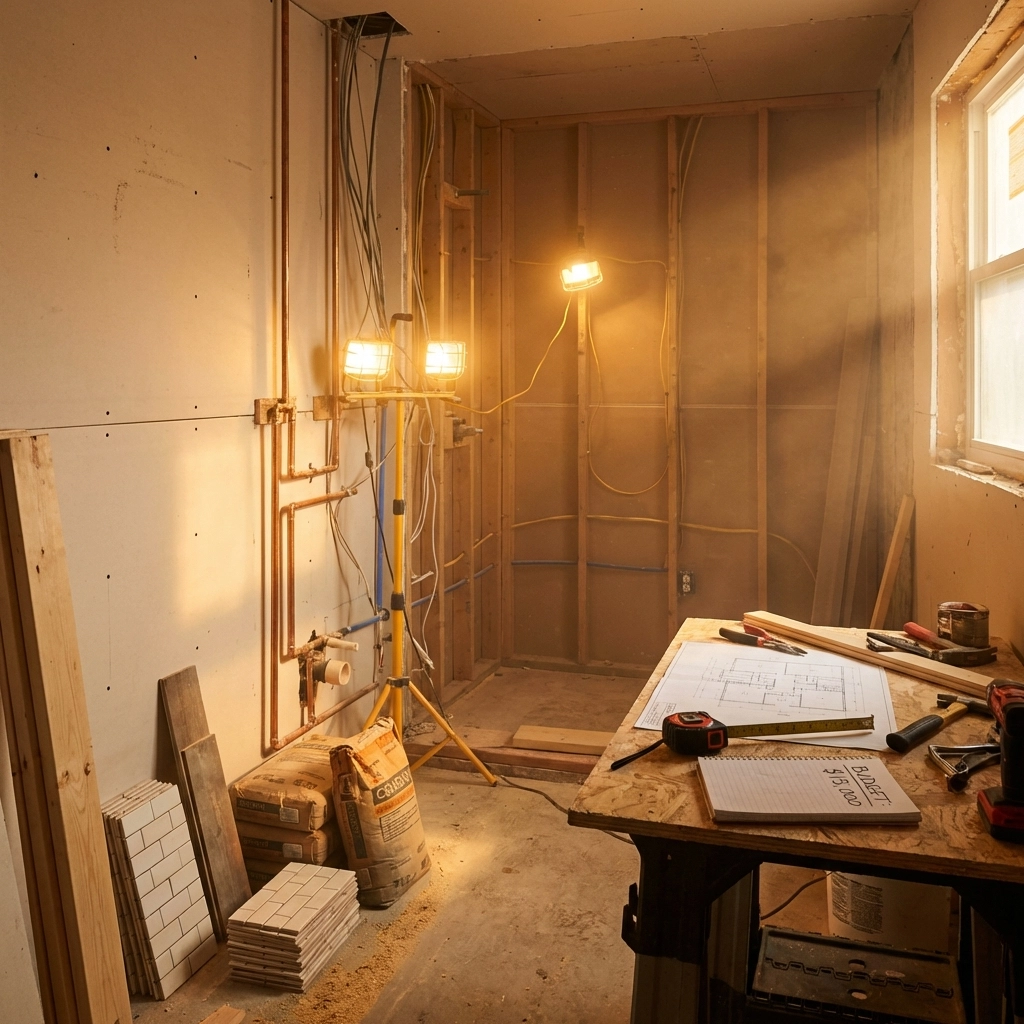
What is your realistic budget?
This might seem obvious, but it's the foundation that determines everything else about your project. A standard bathroom refit in the UK typically costs £4,000–£8,000, depending on size, specification, and whether you're changing the layout or working with existing plumbing positions.
However, your budget isn't just about the total figure – you need to understand how it breaks down:
- Labour costs typically account for 40-50% of your budget
- Tiling and waterproofing often represent the largest single expense
- Fixtures and fittings can vary dramatically in price
- Unexpected issues with existing plumbing or structure
Setting aside contingency funds
The research shows that setting aside 5-15% of your total budget for contingencies is essential. In older properties, we often discover issues once work begins – perhaps outdated plumbing that needs upgrading or structural work required for proper waterproofing.
When you're considering your budget, think about your long-term plans too. Are you planning to sell within a few years? A mid-range renovation might offer the best return. Planning to stay for decades? Investing in higher-quality materials and fittings makes sense.
Do you want to change the existing layout?
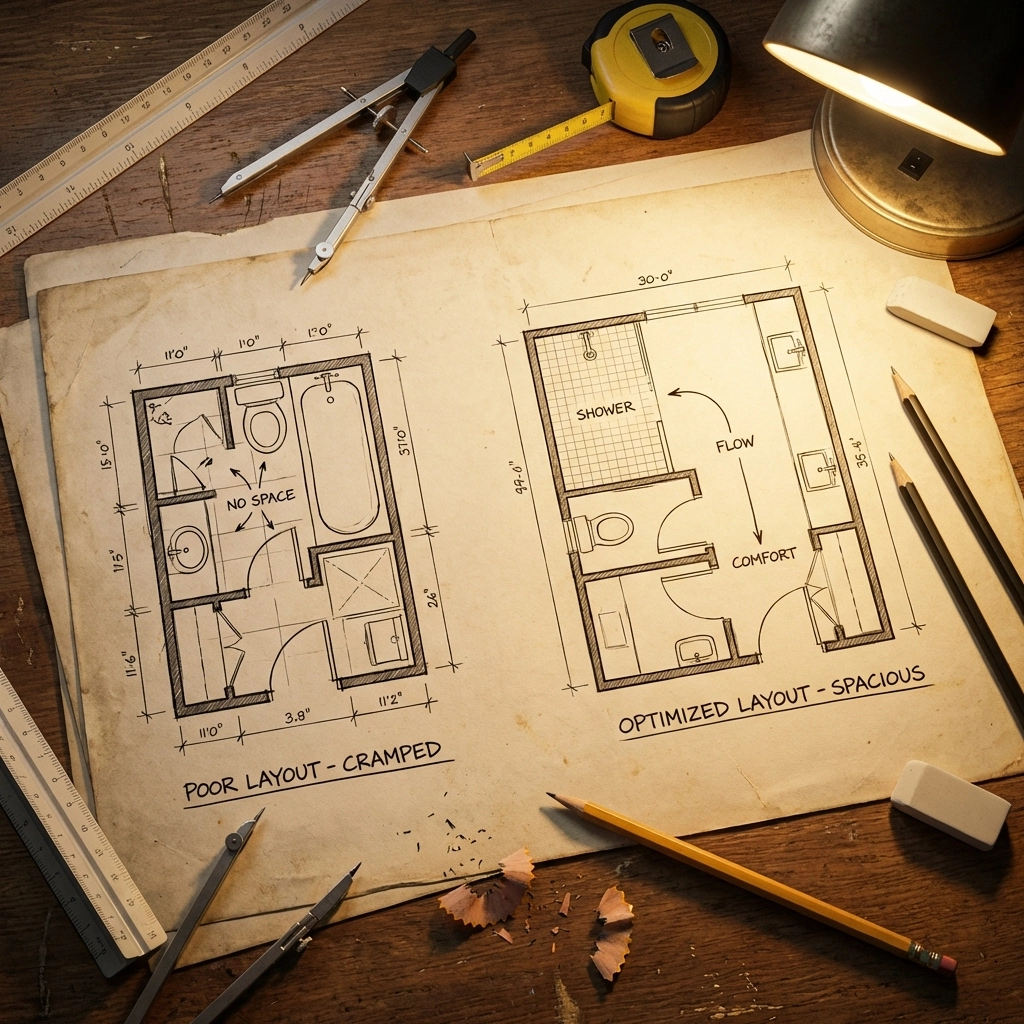
This single question has the biggest impact on your project's complexity, cost, and timeline. Working within your existing layout keeps costs down and simplifies the work, but changing the layout opens up possibilities for better functionality and flow.
Staying with the current layout works well when:
- The existing arrangement is practical
- You're working with a tight budget
- The current plumbing positions suit your needs
- You want to minimize disruption time
Changing the layout makes sense when:
- The current arrangement feels cramped or impractical
- You need to improve accessibility
- The bathroom doesn't suit how your family uses the space
- You're doing extensive work anyway
Consider how you actually use your bathroom daily. Do you and your partner need to use the space simultaneously in the mornings? Would moving the toilet create more floor space? Could relocating the bath improve the room's flow?
What condition is your existing plumbing and infrastructure?
Before you fall in love with that freestanding bath or rainfall shower, you need to understand what your current plumbing can support. This assessment prevents disappointing compromises later in the project.
Water pressure and flow rates
Low water pressure affects everything from shower performance to how quickly your bath fills. If you're planning a power shower or multiple outlets, your existing system might need upgrading. Sometimes the solution is straightforward – perhaps replacing old, narrow pipes – but occasionally it requires more extensive work.
Drainage and waste pipes
Moving toilets, basins, or floor drains isn't always straightforward. The fall (gradient) required for proper drainage might limit your options, especially in upper-floor bathrooms where you can't easily access the area below.
Heating and hot water capacity
That large soaking tub looks appealing, but can your boiler fill it efficiently? If you're upgrading to multiple showers or larger fixtures, you might need to upgrade your hot water system too.
Will your electrical installation need upgrading?
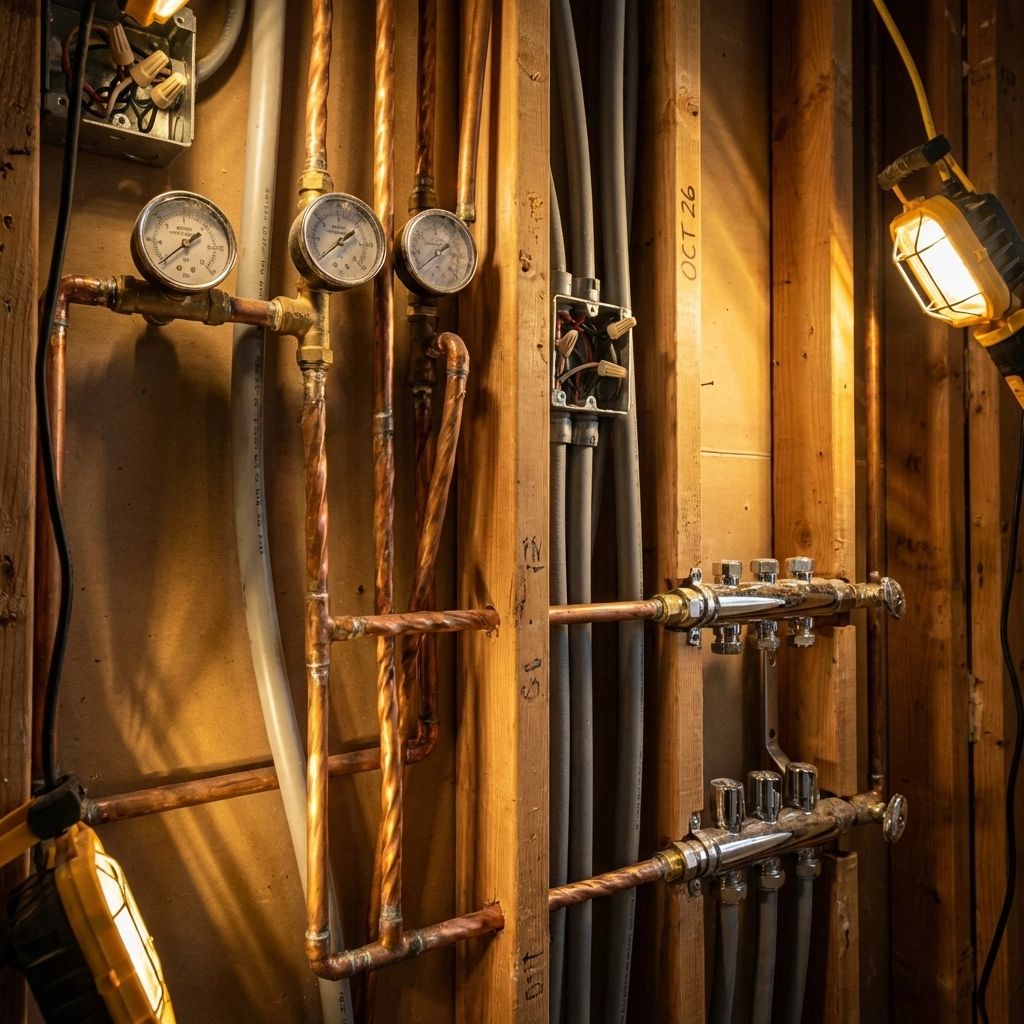
Modern bathrooms demand more from electrical systems than older installations were designed to handle. Today's bathrooms often include multiple lights, heated towel rails, underfloor heating, extractor fans, and sometimes heated mirrors or smart technology.
Key electrical considerations include:
- Whether your consumer unit has spare capacity for additional circuits
- If your bathroom has proper IP-rated zones for safe electrical installation
- Whether you need additional circuits for high-power items like electric showers
- How smart technology integration affects your electrical requirements
Remember that bathroom electrical work must comply with Part P of the Building Regulations, so this isn't an area for DIY attempts.
What ventilation do you need?
Poor ventilation causes more long-term problems than almost any other aspect of bathroom design. Inadequate ventilation leads to condensation, mould, damaged decorations, and even structural issues over time.
Assessing your current ventilation
Does your bathroom currently suffer from condensation on windows, mirrors, or walls? Do towels take ages to dry? These are signs that your current ventilation isn't adequate.
Planning new ventilation solutions
Modern building standards require extract fans in bathrooms without opening windows, and even bathrooms with windows benefit from mechanical ventilation. The fan needs to be properly sized for your room and ducted correctly to the outside – something that's much easier to plan during a full renovation than to retrofit later.
What's your realistic timescale?
Bathroom renovations inevitably take longer than you'd like, but understanding the timeline helps you plan properly. A typical bathroom renovation takes 1-2 weeks for straightforward refits, but can extend to 3-4 weeks for complex projects involving layout changes or structural work.
Factors affecting your timeline:
- Whether you're changing the layout (adds time for first-fix work)
- Custom tiling work (more time than standard installations)
- Delivery times for specific fixtures or fittings
- Whether building control approval is needed
- Discovery of unexpected issues during strip-out
Planning around your family's needs
If this is your only bathroom, you'll need alternative arrangements. Some families choose to use temporary facilities while others prefer to work in phases, keeping basic facilities operational throughout most of the project.
How will you use the space?
Understanding your bathroom's daily reality helps guide every design decision. A family bathroom needs different solutions than an ensuite, and a guest bathroom has different priorities than your main bathroom.
Consider these usage patterns:
- How many people need to use the space simultaneously?
- What are your peak usage times?
- Do you prefer quick showers or long soaks?
- How much storage do you actually need?
- Are there accessibility requirements to consider now or in the future?
Planning for changing needs
Think beyond your current situation. Young families might need space for bath toys and easy-clean surfaces, while couples approaching retirement might want to consider grab rails and level-access showers for future mobility.
How Swanbourne Construction Ltd guides you through the process
At Swanbourne Construction Ltd, we understand that these questions can feel overwhelming. That's why we guide our clients through a structured planning process that addresses each area systematically.
Our approach includes:
- Initial consultation to understand your goals, budget, and constraints
- Technical assessment of your existing plumbing, electrical, and structural conditions
- Design development that balances your wishes with practical realities
- Clear project planning with realistic timescales and transparent pricing
- Regular communication throughout the project to keep you informed
We've found that clients who work through these questions thoroughly always achieve better results. They avoid costly changes mid-project, stay closer to their original timeline, and end up with bathrooms that truly work for their daily lives.
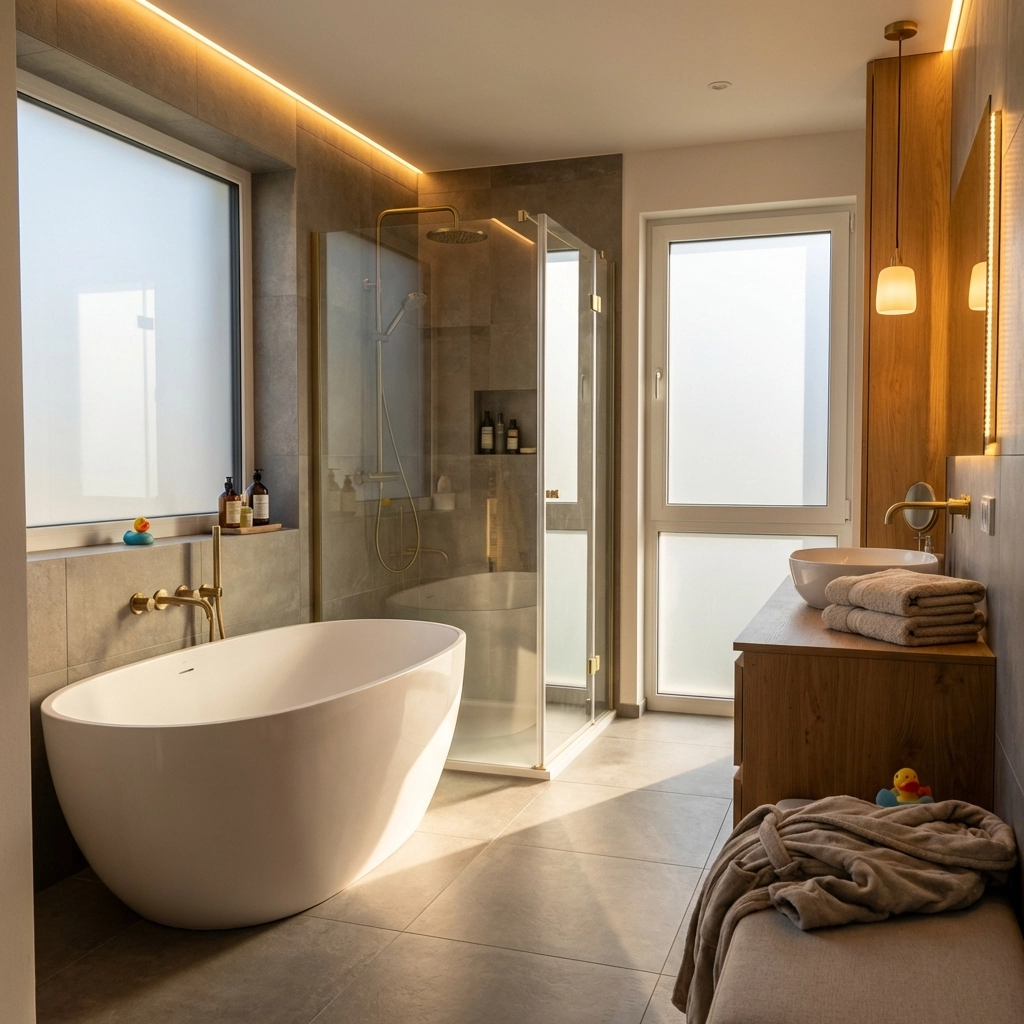
The questions you ask before starting your bathroom renovation determine the success of your entire project. Budget, layout, infrastructure, and timeline considerations all interconnect, and understanding these relationships helps you make informed decisions.
At Swanbourne Construction Ltd, we believe that every great bathroom starts with great planning. By working through these essential questions together, we help ensure your renovation delivers exactly what you need – a beautiful, functional space that serves your family perfectly for years to come.
Ready to start planning your bathroom renovation? Contact Swanbourne Construction Ltd today to discuss your project and get expert guidance through every stage of the process.