
The Ultimate Guide to Planning Permission in West Sussex: Everything You Need to Succeed

Planning permission can feel like navigating a maze, especially when you're excited about transforming your West Sussex home. Whether you're dreaming of a stunning loft conversion in Bognor Regis, planning a rear extension in Chichester, or considering a complete renovation in Arundel, understanding the planning process is crucial to turning your vision into reality.
Getting it wrong can cost you months of delays, thousands in resubmission fees, and the heartbreak of watching your perfect project timeline crumble. But here's the good news: with the right knowledge and preparation, you can navigate West Sussex's planning system confidently and efficiently.
Do You Actually Need Planning Permission?
Before diving into applications, the first question isn't how to apply: it's whether you need to apply at all. Many homeowners waste time and money on unnecessary applications when their projects fall under permitted development rights.
What counts as permitted development in West Sussex?
Most single-storey rear extensions up to 6 metres (8 metres for detached houses), loft conversions that don't extend beyond the existing roofline, and internal alterations typically don't require planning permission. However, if your property is in a conservation area, is listed, or has previous extensions, these rules change significantly.
Here's where many West Sussex homeowners get caught out: assuming that because their neighbour didn't need permission, they won't either. Every property is unique, and factors like proximity to boundaries, existing extensions, and local restrictions can all affect your requirements.
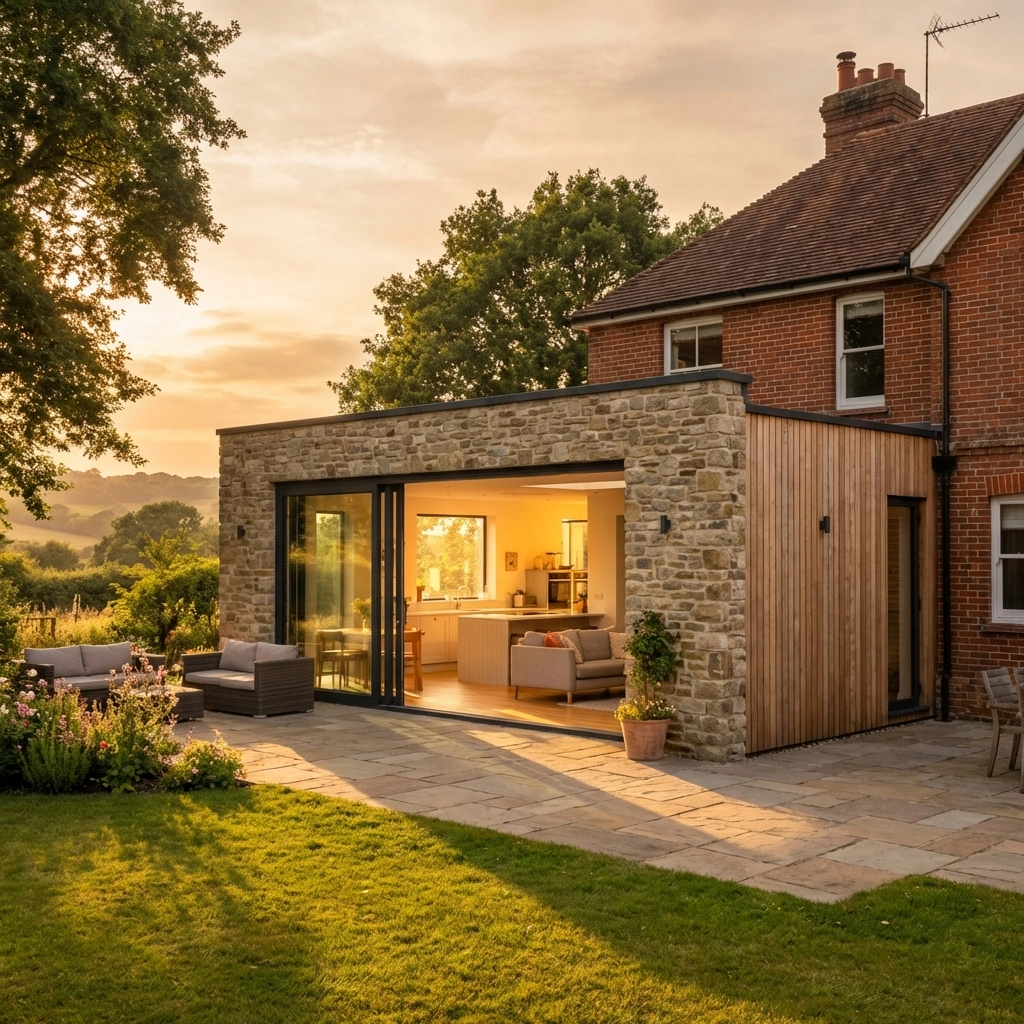
The smartest move? Check with your local authority's "Do I need planning permission?" tool before spending a penny on plans. West Sussex District Council, Arun District Council, and Chichester District Council all provide these online tools, and they can save you considerable time and expense.
Understanding Application Types: Choosing Your Route
West Sussex planning authorities offer three main application types, each suited to different project stages and requirements.
Full Planning Permission
This is your go-to option when you have detailed plans and know exactly what you want to build. Perfect for loft conversions, house extensions, and complete renovations where you've finalised all design details. The benefit? Once approved, you can start work immediately (subject to building regulations).
Outline Planning Permission
Available only for new buildings, outline permission lets you test the waters with your concept before investing in detailed plans. You'll get approval "in principle," then submit reserved matters applications later with specific details about design, materials, and landscaping.
Reserved Matters Application
This follows outline permission and covers the details you reserved earlier: appearance, landscaping, layout, scale, and access. Think of it as the second part of a two-stage process.
Which route should you choose? For most home improvements in West Sussex, full planning permission is the most straightforward option. You'll know exactly what you can build, and contractors can provide accurate quotes based on approved plans.
Preparing Your Application: Getting It Right First Time
The difference between approval and rejection often lies in preparation, not the project itself. West Sussex authorities receive thousands of applications annually, and those that are well-prepared with complete documentation consistently fare better.
Essential Documentation Checklist
Your application strength depends on providing exactly what the council needs to make an informed decision. The standard requirements include:
- Location plans showing your property in relation to surrounding buildings
- Site plans detailing your property boundaries and proposed works
- Existing and proposed floor plans clearly showing changes
- Elevation drawings showing how your project affects the building's appearance
- Design and access statements explaining your design decisions
For specific projects, additional documents may be required. Loft conversions near protected trees might need arboricultural surveys. Extensions in conservation areas require heritage statements. Large rear extensions may need neighbour consultation certificates.
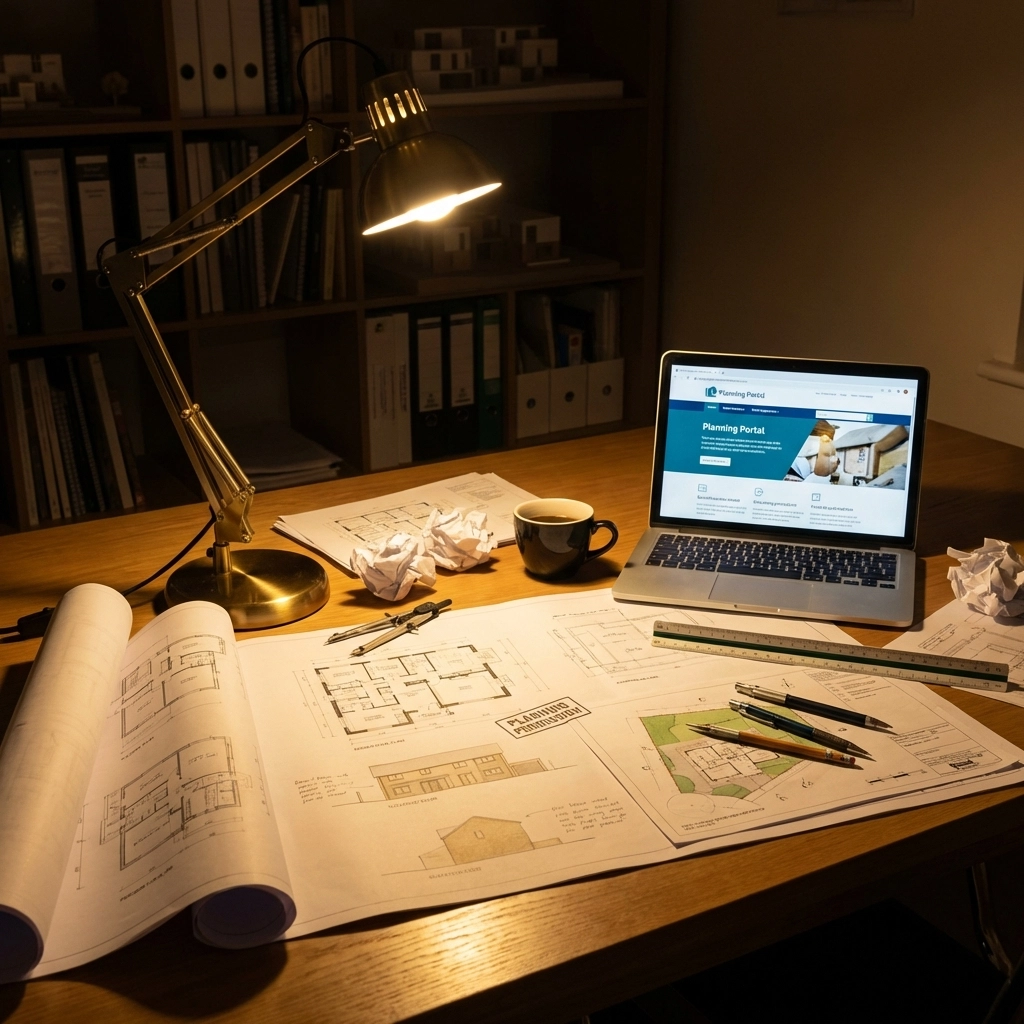
Pre-Application Advice: Your Secret Weapon
West Sussex County Council offers pre-application advice services that can transform your application's success rate. This isn't just a nice-to-have: it's strategic intelligence that helps you understand exactly what planners want to see.
During pre-application discussions, planning officers can highlight potential issues, suggest design modifications, and clarify documentation requirements. This upfront investment often saves thousands in redesign costs and resubmission fees.
The Application Process: Step-by-Step Success
Submitting Your Application
The Planning Portal is your gateway to success. This online system streamlines the entire process, allowing you to complete applications, upload documents, and make payments in one seamless workflow. For West Sussex residents, it's the most efficient submission method.
Mid Sussex District Council offers additional e-forms for householder applications, tree work applications, and listed building consent. These local tools can sometimes provide faster processing for specific application types.
Understanding Fees and Payment
Planning application fees vary based on project type and scale. Single-storey rear extensions typically cost around £206, while loft conversions and two-storey extensions cost approximately £462. Large house extensions may require fees of £924 or more.
Payment can be made through the Planning Portal during submission, your council's online payment system, or by cheque. Avoid delays by ensuring your payment is processed before submission: incomplete fee payments can delay validation by several weeks.
After Submission: What to Expect
The Validation Process
Once submitted, your application enters validation, where council officers verify completeness and accuracy. Valid applications are registered within three working days, though complex proposals may take longer.
You'll receive written confirmation within two working days of registration, including your application reference number, planning officer contact details, and fee receipt. Keep this information safe: you'll need it for all future correspondence.
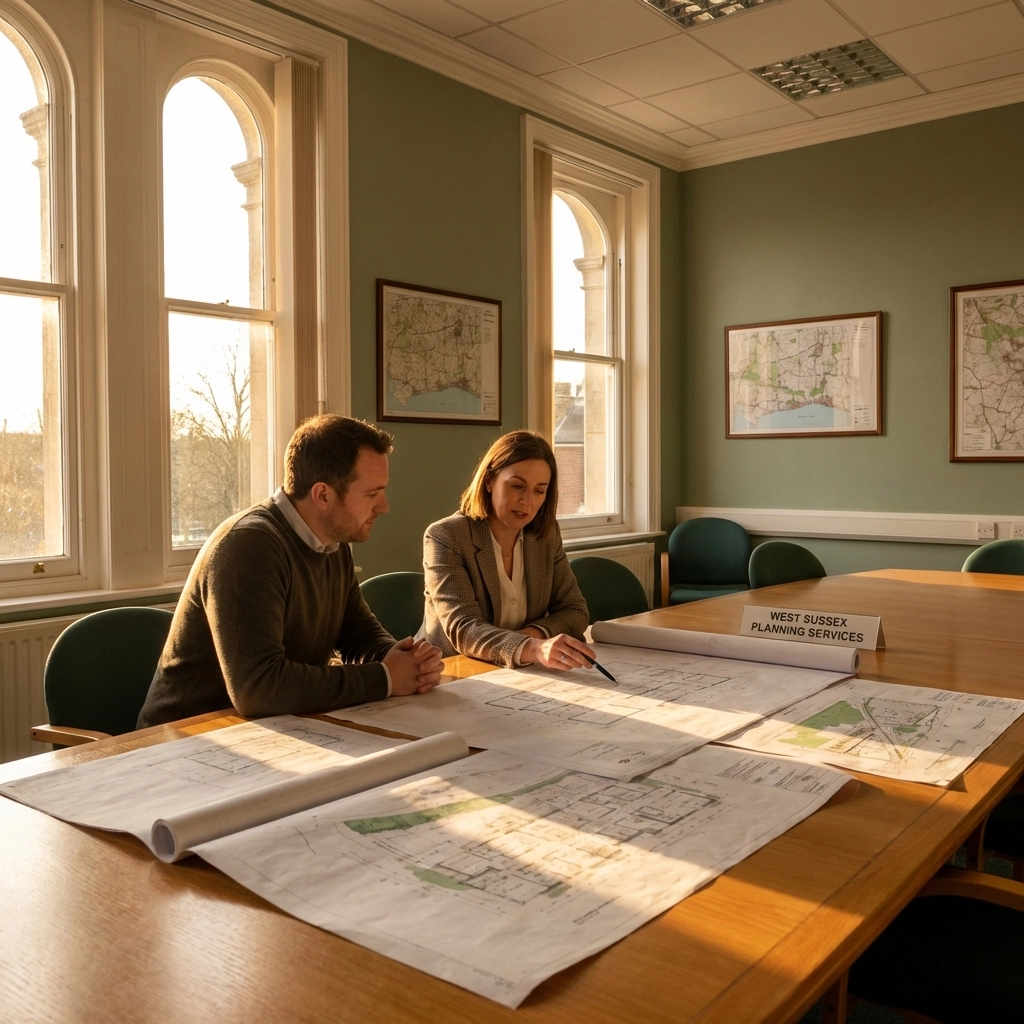
Decision Timelines and Communication
Standard applications have eight-week decision periods, while householder applications typically receive decisions within six weeks. However, these are target timelines, not guarantees.
Throughout the process, your planning officer may request additional information or amendments. Responding quickly and comprehensively to these requests prevents unnecessary delays. Remember, planning officers want to approve good applications: they're not trying to create obstacles.
Common Pitfalls and How to Avoid Them
Even well-intentioned applications can fail due to preventable mistakes. Learning from others' experiences can save you significant time and frustration.
Documentation Errors
Missing or incorrect drawings are the leading cause of application delays. Ensure your plans are to scale, clearly labeled, and consistent across all documents. Discrepancies between site plans and floor plans, for example, can trigger validation failures.
Neighbour Consultation Oversights
Certain applications require formal neighbour consultation certificates. Failing to serve the correct notices or providing incomplete neighbour details can invalidate your entire application. When in doubt, consult your planning officer about notification requirements.
Conservation Area Complications
If your West Sussex property sits within a conservation area, standard permitted development rights may not apply. What would normally be permitted development elsewhere might require full planning permission in these protected areas.
Legal Considerations: Playing by the Rules
Proceeding without required planning permission isn't just risky: it's illegal. West Sussex authorities have robust enforcement powers, and the consequences of unauthorised development can be severe.
If you undertake work requiring planning permission without obtaining it, the local authority can serve enforcement notices requiring you to undo all changes. These notices can be appealed, but ignoring them carries legal penalties.
The cost of rectifying unauthorised work often exceeds the original planning application fees by thousands of pounds. Factor in the stress, delays, and potential legal costs, and the value of getting permission right the first time becomes crystal clear.
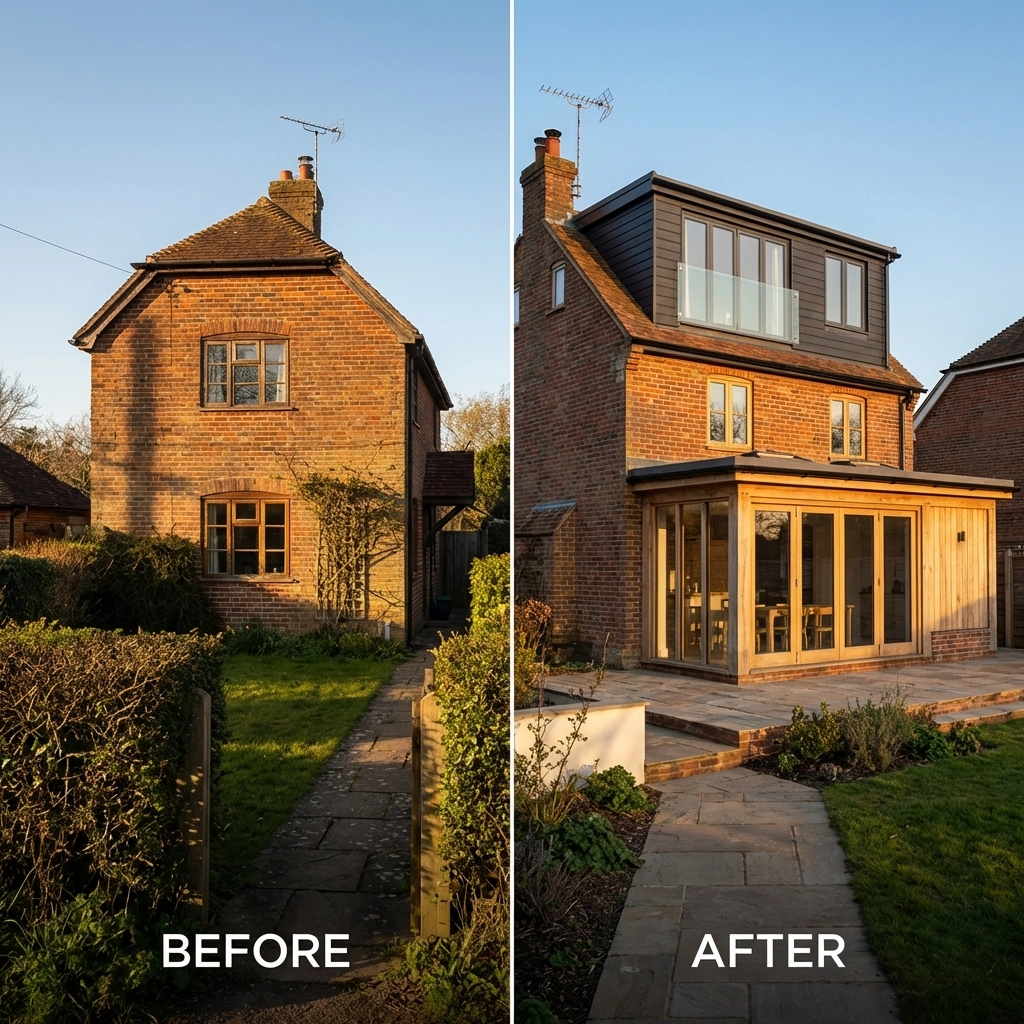
How Professional Support Makes the Difference
Navigating West Sussex's planning system doesn't have to be a solo journey. Experienced construction professionals bring invaluable knowledge of local requirements, common pitfalls, and approval strategies.
At Swanbourne Construction, we've guided countless West Sussex homeowners through successful planning applications. Our experience with loft conversions and house extensions across Bognor Regis, Chichester, and Arundel means we understand exactly what local planning officers want to see.
We handle the entire process: from initial feasibility assessments through to final approvals: allowing you to focus on the exciting aspects of your home transformation while we navigate the bureaucratic complexities.
Your Next Steps to Planning Success
Planning permission in West Sussex doesn't have to be overwhelming. With proper preparation, clear documentation, and expert guidance, your application can proceed smoothly toward approval.
Start by determining whether your project actually requires planning permission. If it does, invest time in understanding the specific requirements for your property and location. Consider pre-application advice for complex projects, and ensure your documentation is complete and accurate before submission.
Ready to turn your West Sussex home improvement dreams into reality? Contact Swanbourne Construction today for a consultation. We'll assess your project requirements, guide you through the planning process, and ensure your application has the best possible chance of success. Your perfect home transformation is closer than you think.
19 Responses