
For many homeowners in Bognor Regis, Chichester, and Arundel, the bungalow represents the perfect coastal or country retreat. Perhaps you bought your property for its generous plot, its quiet cul-de-sac location, or its proximity to the South Downs. However, as families grow or lifestyle needs change, that charming single-storey footprint can start to feel restrictive.
In the current 2026 property market, the cost of "trading up" to a larger detached house in West Sussex has reached record highs. When you factor in stamp duty, estate agent fees, and the emotional toll of leaving a neighborhood you love, the argument for staying put and building upwards becomes incredibly compelling.
At Swanbourne Construction Ltd, we have spent over 20 years helping local homeowners reimagine their living spaces. Adding a second floor to a bungalow isn't just a renovation; it’s a total transformation that can effectively double your square footage while exponentially increasing your property value.
1. Why Go Up? The Unmatched Benefits of Vertical Living
The most obvious advantage of adding a second floor is the gain in space, but the benefits run much deeper than mere square footage.
Preserving Your Outdoor Sanctuary
In areas like Bognor Regis and Aldwick, garden space is a premium commodity. A traditional rear extension often eats into your lawn, patio, or vegetable patch. By choosing to build upwards, you preserve every inch of your outdoor space. This is particularly vital if you enjoy gardening or have children and pets who need room to roam.
Unlocking the "Hidden" Views
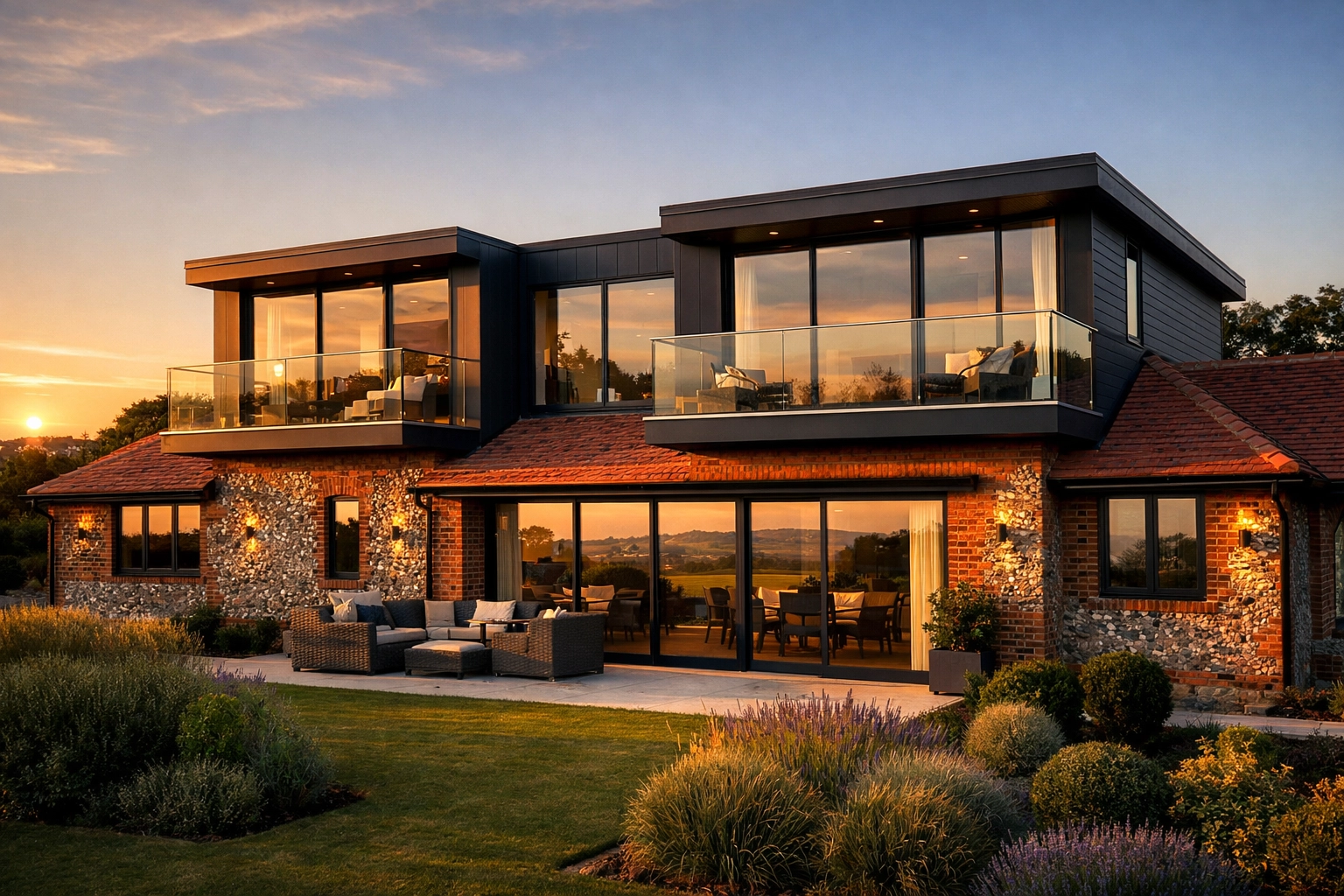
Many bungalows in West Sussex are nestled in stunning locations but are unfortunately too low to appreciate the scenery. A second-floor addition can change your entire perspective, literally. Imagine a master suite with floor-to-ceiling windows looking out toward the spire of Chichester Cathedral or catching a glimpse of the English Channel from a new balcony in Bognor.
Dramatic Value Appreciation
Moving a property from the "bungalow" category into the "four or five-bedroom detached house" category typically places it in a completely different price bracket. In the Sussex market, these larger family homes are always in high demand. We often find that the uplift in property value significantly outweighs the cost of construction, making it one of the smartest financial moves a homeowner can make.
2. Navigating the Planning Maze in West Sussex
One of the first questions we hear at Swanbourne Construction Ltd is: "Do I need planning permission?"
While some minor loft conversions fall under Permitted Development, adding a full second floor almost always requires formal planning permission. The rules can vary significantly depending on whether your home falls under the jurisdiction of Chichester District Council or Arun District Council.
Conservation Areas and Historic Context
If you are lucky enough to live in a Conservation Area: common in the historic streets of Arundel or the "Pallants" of Chichester: the planning process is more nuanced. Local authorities will look for designs that are "subservient" to the original building or that enhance the character of the streetscape.
The "Right to Light" and Privacy
Planners are also keen to ensure that your new height doesn't overshadow your neighbors or infringe on their privacy. This is where professional design becomes crucial. We often recommend "set-back" designs or clever window placements (such as high-level roof lights) to satisfy council requirements while still giving you the space you crave.
For a deeper dive into the technicalities, you might find our ultimate guide to planning permission in West Sussex useful.
3. The Structural Foundation: Can Your Bungalow Take the Weight?
You cannot simply "bolt on" a new floor. A bungalow was originally designed to support only itself and a roof. Adding a second storey introduces significant new loads that the existing structure must be able to handle.
- Foundation Checks: The most critical step is determining if your existing foundations are deep enough. We typically perform "trial holes" to inspect the footings. If they aren't sufficient, we may need to employ underpinning techniques.
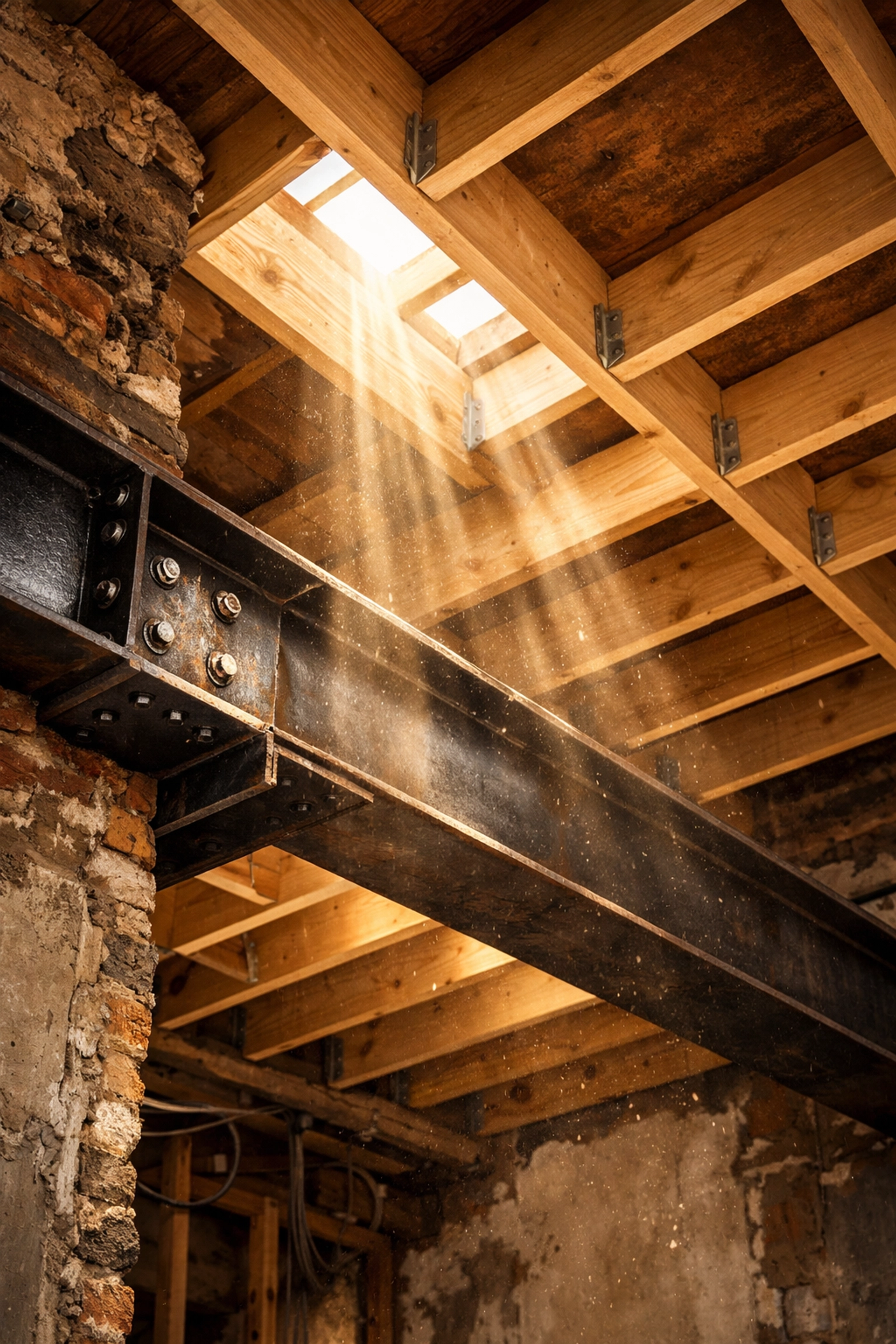
- Internal Load-Bearing Walls: The new floor will need support from below. This often involves installing structural steelwork (RSJs) to transfer the weight of the new storey down to the foundations.
- The "Lidded" Approach: Modern construction techniques in 2026 allow us to be much more efficient. In some cases, we can use lightweight timber or steel frames to minimize the added weight while maximizing insulation.
Before you get too deep into the design, it's worth checking how to know if your attic can be converted or if a full second floor is the better structural path for your specific home.
4. Designing for the Coastal Climate
Building in West Sussex, particularly near Bognor Regis, requires a specific understanding of the local environment. The sea air is beautiful, but it is also corrosive.
- Exterior Materials: We recommend using marine-grade materials for window frames and external fittings. Standard finishes can quickly degrade under the salt-heavy winds.
- Thermal Efficiency: With energy prices continuing to be a focal point in 2026, a second-floor addition is the perfect time to upgrade your home’s envelope. By installing high-spec insulation and potentially triple glazing, you can significantly reduce your carbon footprint and monthly bills.
- Architectural Harmony: You want your "new" house to look like it was always meant to be two storeys. This might involve re-rendering the entire property or using matching brickwork to ensure a seamless transition between the old ground floor and the new upper level.
Our experience building in Bognor Regis has taught us that preparation for the elements is just as important as the aesthetic design.
5. Reconfiguring the Ground Floor
The magic of adding a second floor isn't just what happens upstairs; it’s what it releases downstairs. Once the bedrooms are moved to the new level, the ground floor is "unlocked."
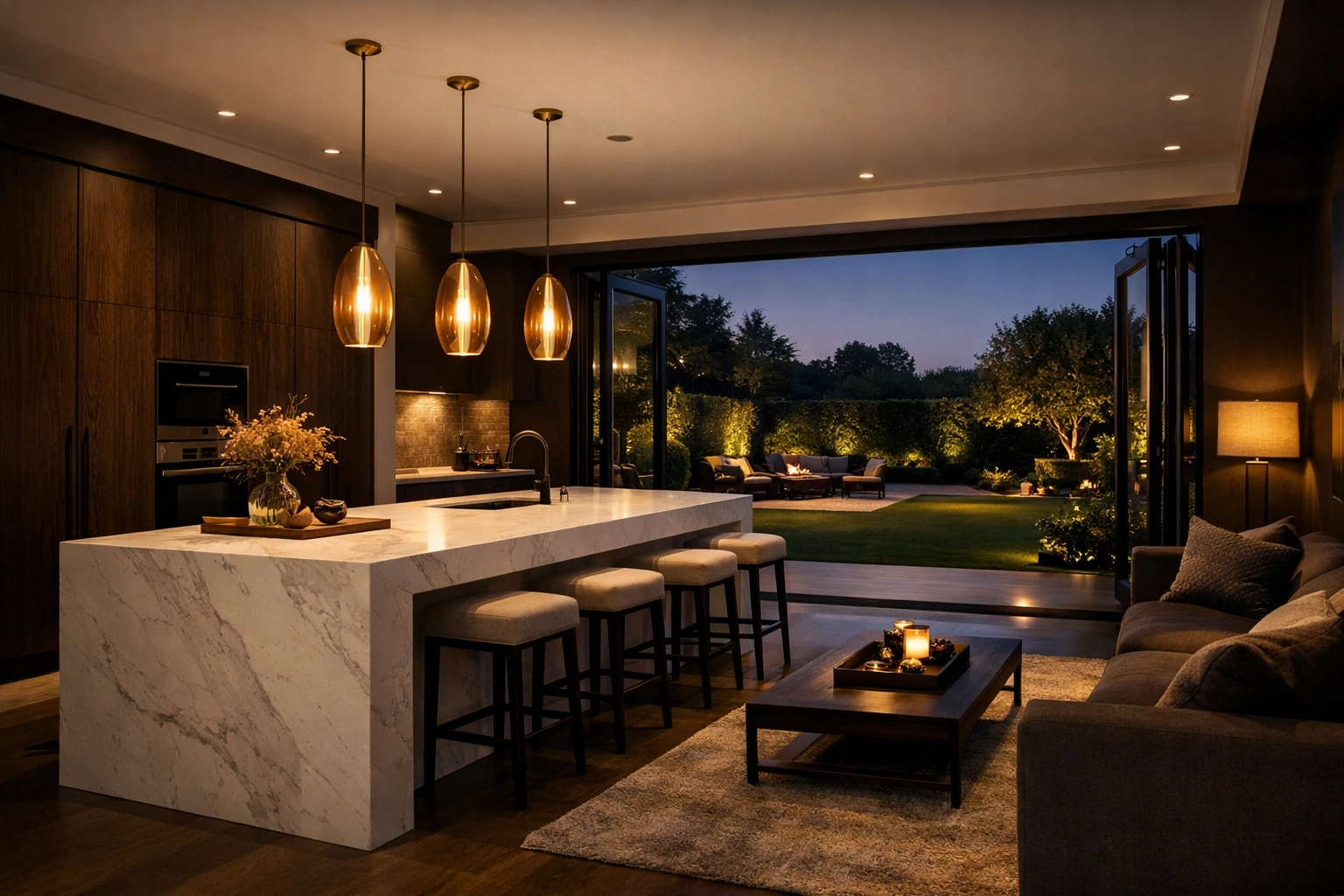
You can finally have that expansive, open-plan kitchen and dining area you’ve seen in magazines. You can create a dedicated home office, a cinema room, or even a luxury guest suite for aging relatives. This "future-proofing" aspect is a major trend we’re seeing in 2026 renovations. Many homeowners are choosing to move their primary living spaces to the ground floor while keeping the "sleeping quarters" upstairs, providing a clear boundary between work, play, and rest.
6. The Logistics: Timeline and Living Arrangements
We won't sugarcoat it: adding a second floor is a major undertaking. Unlike a standard extension where you might be able to live around the builders, a second-storey addition usually involves removing the existing roof entirely.
- The Timeline: A project of this scale typically takes between 3 to 6 months from the first day on-site to the final "snagging" walk-through.
- Temporary Relocation: We almost always advise our clients to move out during the most intensive phases of the build. Not only is it safer and less stressful for you, but it also allows our teams to work faster without having to "pack down" a living kitchen every evening.
- Weather Protection: We use advanced temporary roofing systems (scaffold wraps) to ensure your ground floor stays bone-dry while the new level is being constructed above it.
7. Cost vs. Reward: Is it Worth It?
While the initial investment for a second-floor transformation is higher than a simple loft conversion, the return on investment (ROI) is often much greater. A loft conversion is often restricted by the pitch of the existing roof, leading to sloped ceilings and "awkward" spaces. A full second floor gives you full-height ceilings, standard windows, and a "proper" house feel.
In 2026, the cost of moving house: including legal fees, agents, and the inevitable "fixing up" of a new property: can easily top £40,000 to £60,000 before you've even bought a stick of furniture. Investing that money into your current home often makes far more financial sense.

Partnering with Swanbourne Construction Ltd
Transforming a bungalow is a journey that requires trust, expertise, and a deep knowledge of the West Sussex landscape. With over 20 years of experience in Bognor Regis, Chichester, and Arundel, the team at Swanbourne Construction Ltd understands the local architecture, the local planning departments, and the unique challenges of our coastal climate.
We pride ourselves on a professional, transparent approach. From the initial structural assessment to the moment we hand over the keys to your "new" two-storey home, we are with you every step of the way.
Are you ready to see what’s possible for your bungalow?
Whether you are just starting to dream or you have a set of plans ready to go, we would love to discuss your project. We can help you navigate the common problems with loft conversions and show you why a full second-floor addition might be the ultimate solution for your lifestyle.
Contact Swanbourne Construction Ltd today for a consultation and let's start planning your home's transformation.